Case Study: Low-Maintenance Perennial Garden Design in the Highlands
Client Background
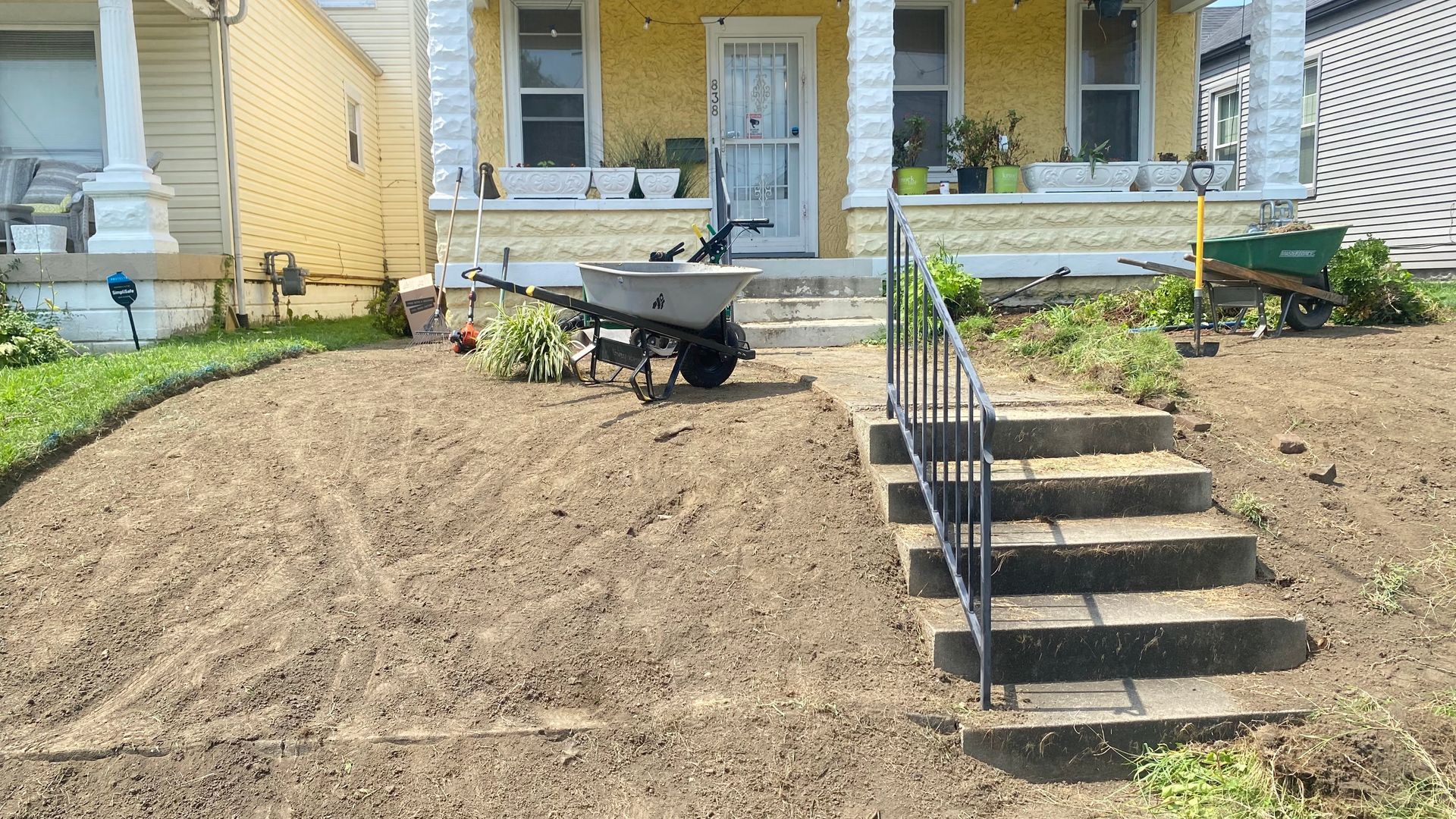
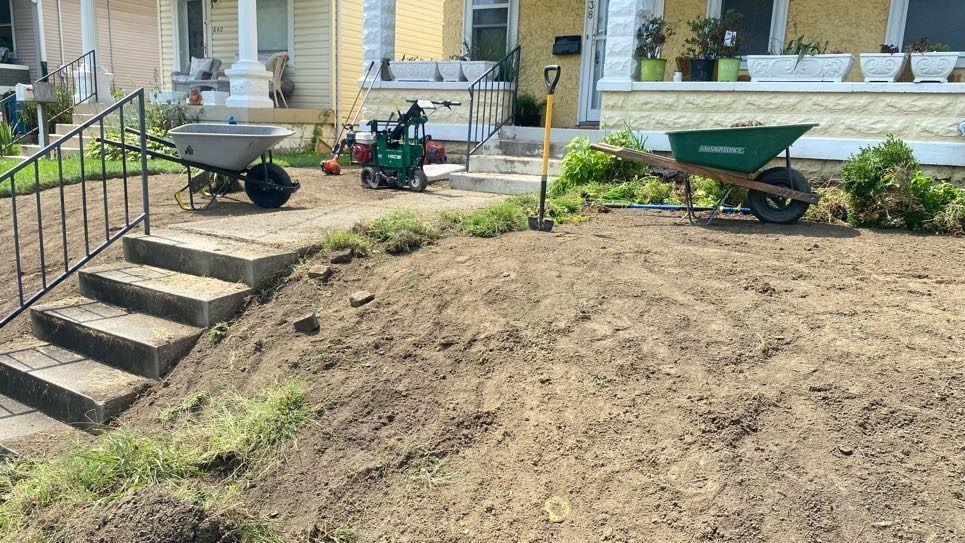
Crissa C. reached out to Bluegrass Gardening after purchasing her Highlands home about three years earlier. Because she travels frequently, maintaining a traditional lawn was not practical. Her front yard was small, entirely grass, and sat lower than the house and sidewalk, which caused minor erosion issues.
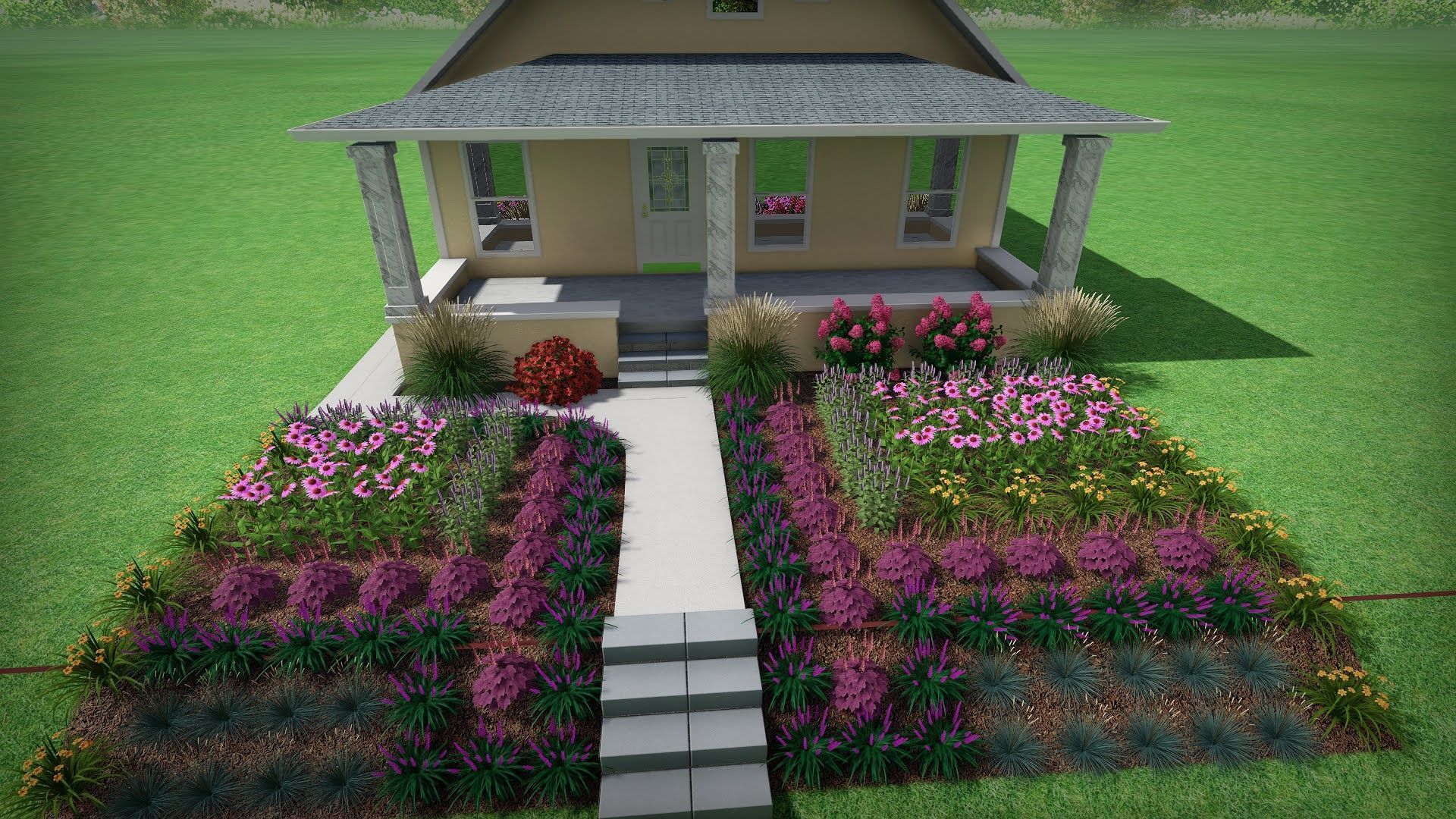
Living in the Highlands, an area known for beautiful and well-established gardens, Crissa wanted something visually consistent with the neighborhood while still being unique to her home. Her goal was a clean, symmetrical design made up mostly of perennials that required minimal upkeep and worked cohesively across both the front and back of the property.
Project Goals
- Remove the existing grass and replace it with a low-maintenance garden
- Use mostly perennials that would thrive long-term
- Address erosion near the sidewalk
- Create a consistent, symmetrical design throughout the property
- Minimize ongoing maintenance due to frequent travel
Planning and Design Process
Initial Consultation
After Crissa reached out, Elber met her on-site for a consultation. Together, they walked the property while Crissa shared inspiration photos that highlighted symmetry and perennial-focused landscaping.
Site Evaluation
Before creating the design, Elber measured the space and tested soil conditions. This included checking compaction, drainage, and erosion points. Understanding the soil upfront helped determine which plants and soil amendments would perform best long-term.
Design Development
Using the information gathered, Elber created a 3D design concept that reflected Crissa’s preferences while maintaining balance and visual flow. The design phase took about two to three weeks, allowing time for revisions and adjustments based on feedback.
Budget and Plant Selection
Once the design was finalized, an estimate was prepared and adjusted to fit the client’s budget. The project required approximately 300 plants. Due to limited availability at the time, Elber contacted multiple nurseries and personally selected plants to ensure quality, checking for healthy roots, proper moisture, and no signs of disease or stress.
Installation Process
The full project took about a month and a half from start to finish, primarily due to coordinating plant availability. The on-site installation itself was completed in three days.
Installation Steps
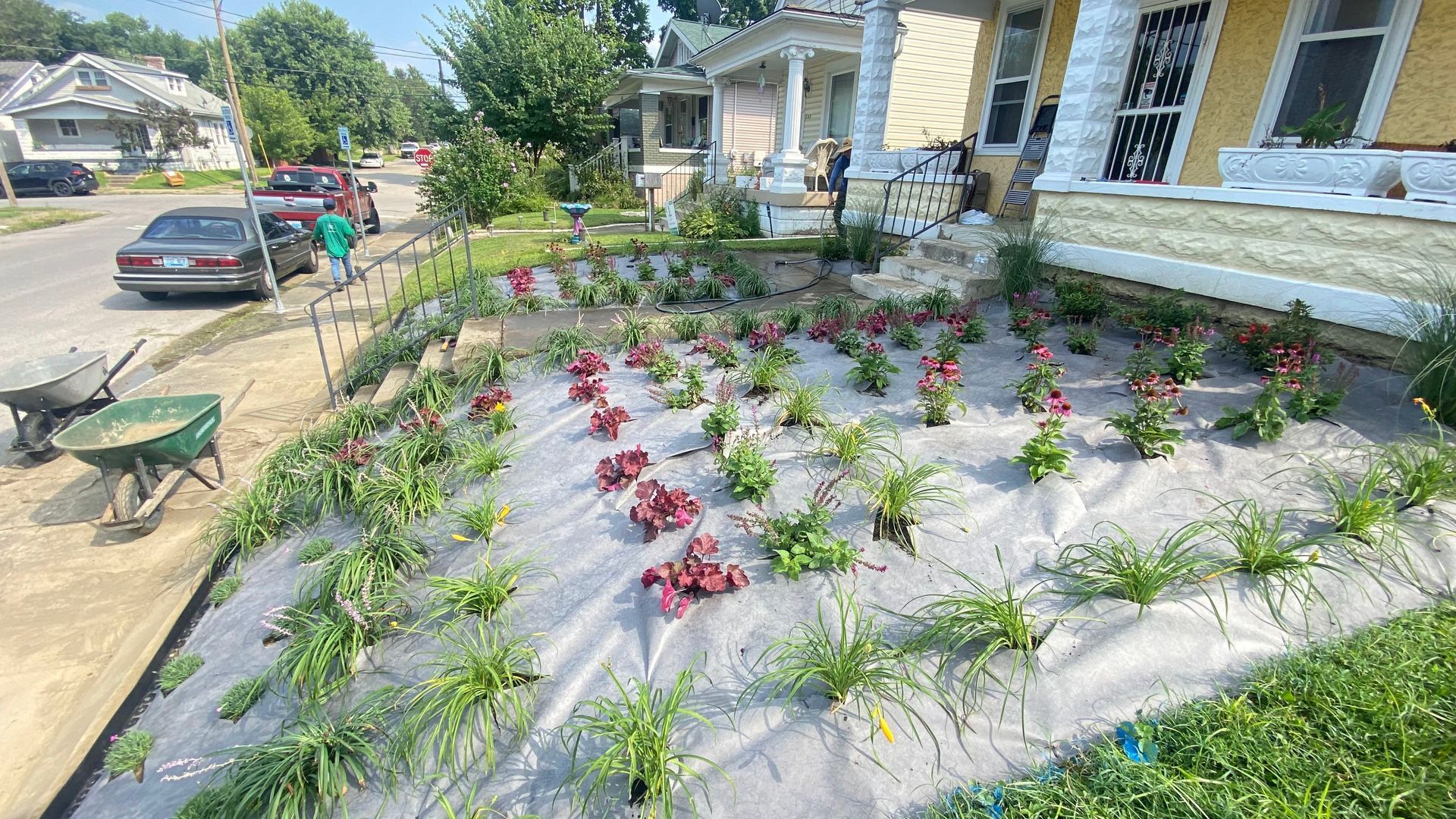
- Removal of existing grass
- Soil preparation, including tilling and adding organic manure, compost, peat moss, and balanced fertilizer tailored to each plant type
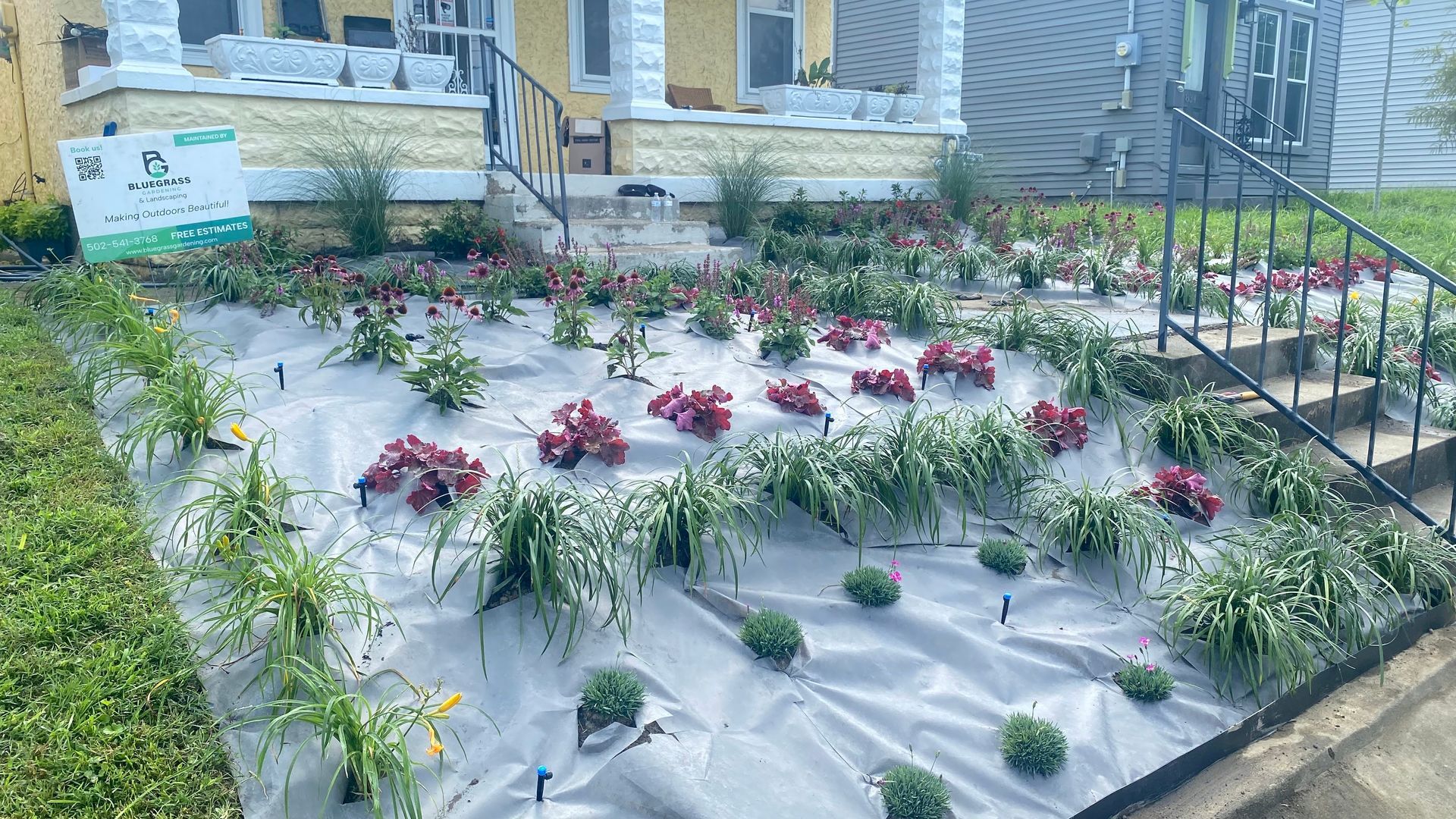
- Planting all perennials according to the approved design
- Installation of landscape fabric in select areas to help preserve the design over time
- Installation of an irrigation system to support consistent watering
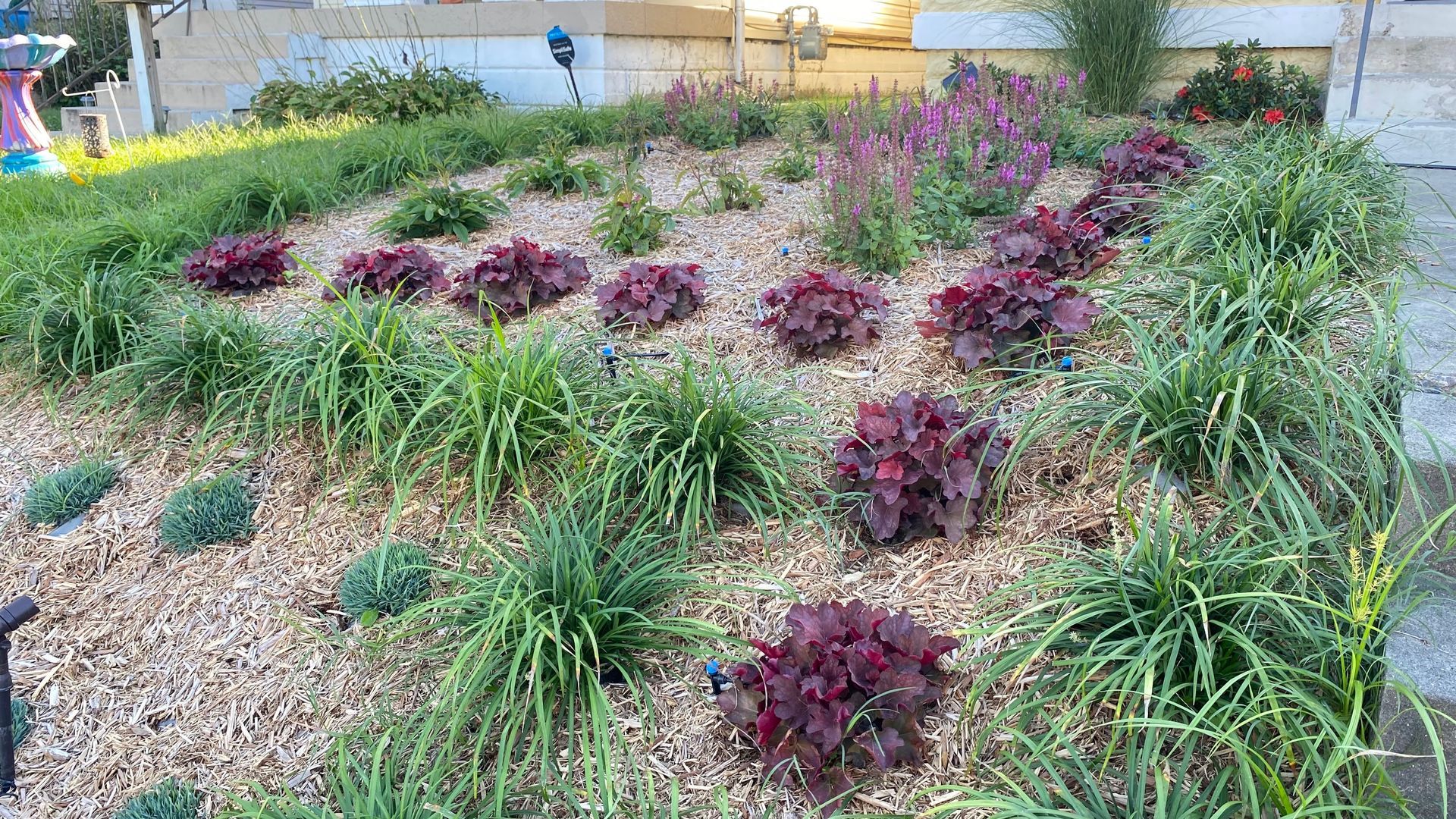
- Application of mulch to retain moisture and reduce weeds
Although landscape fabric is not always used because perennials spread naturally, it was applied strategically here to help maintain the structured design long-term.
Challenges and Solutions
Irrigation Pressure Issue
During installation, the irrigation system did not have sufficient water pressure. Because the garden area was small, the solution did not require major system changes.
Solution
The hose was repositioned at the top of the slope, allowing gravity to assist with water distribution. This approach provided adequate coverage without compromising the design or plant health.
Final Result
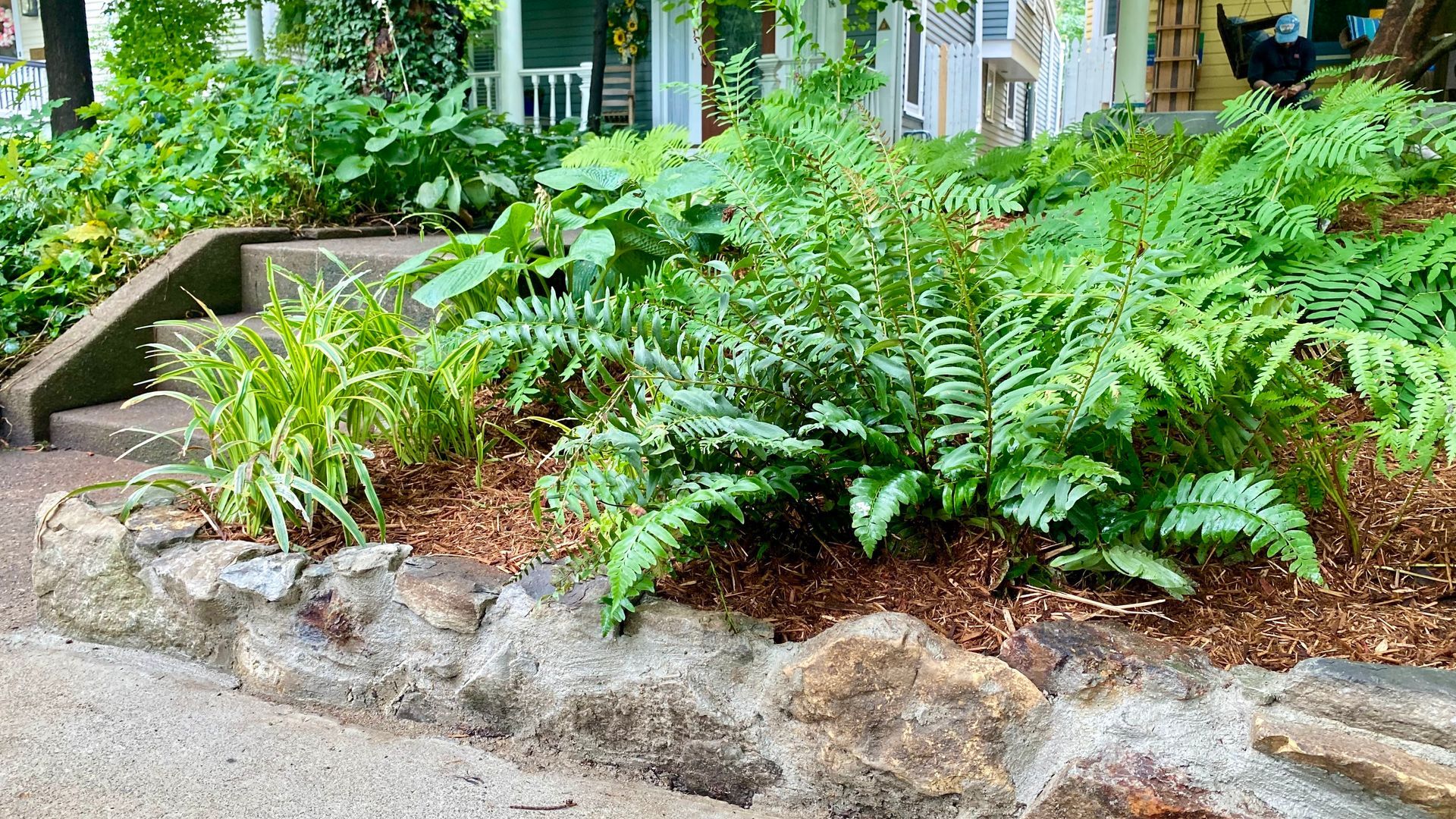
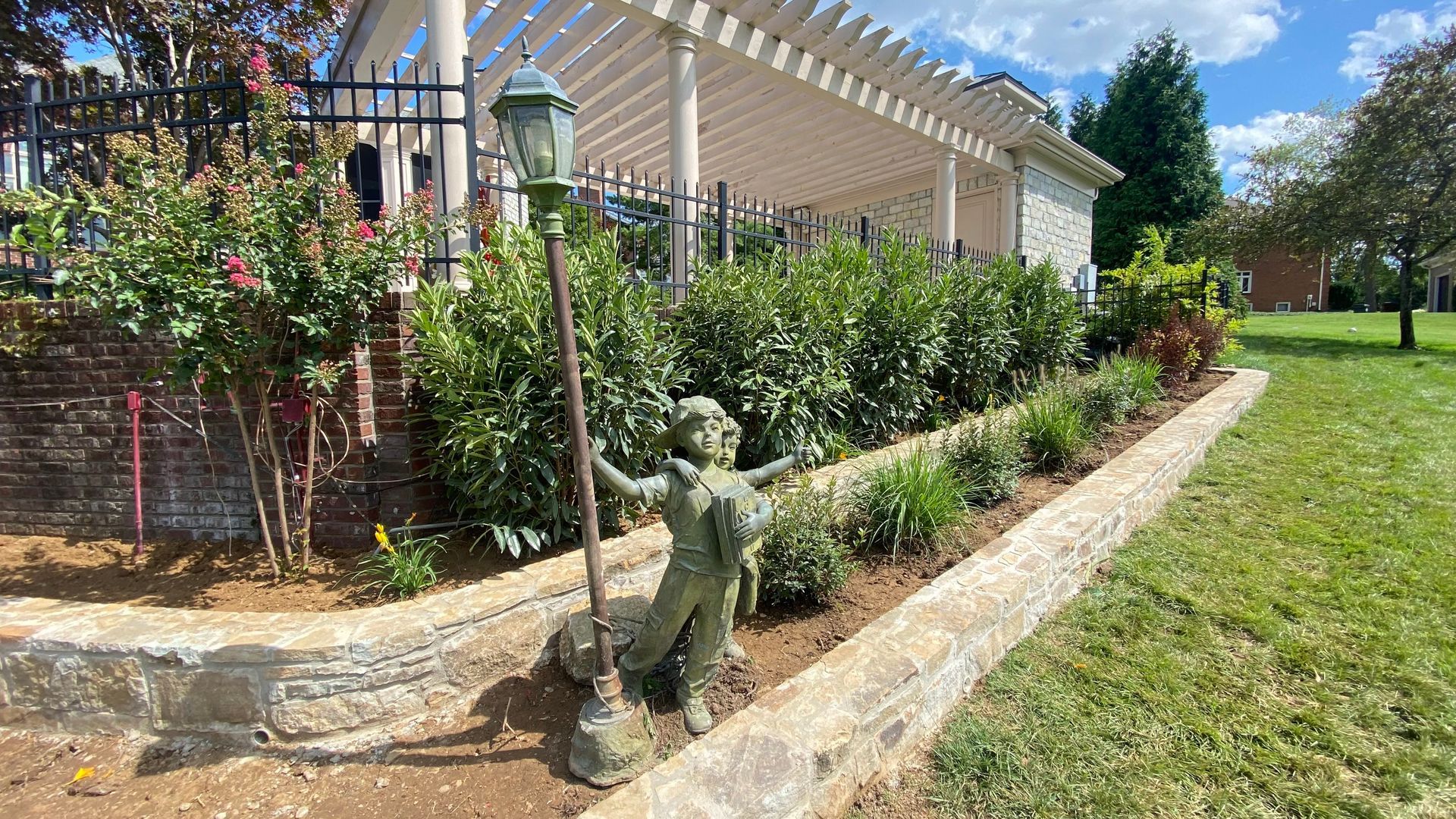
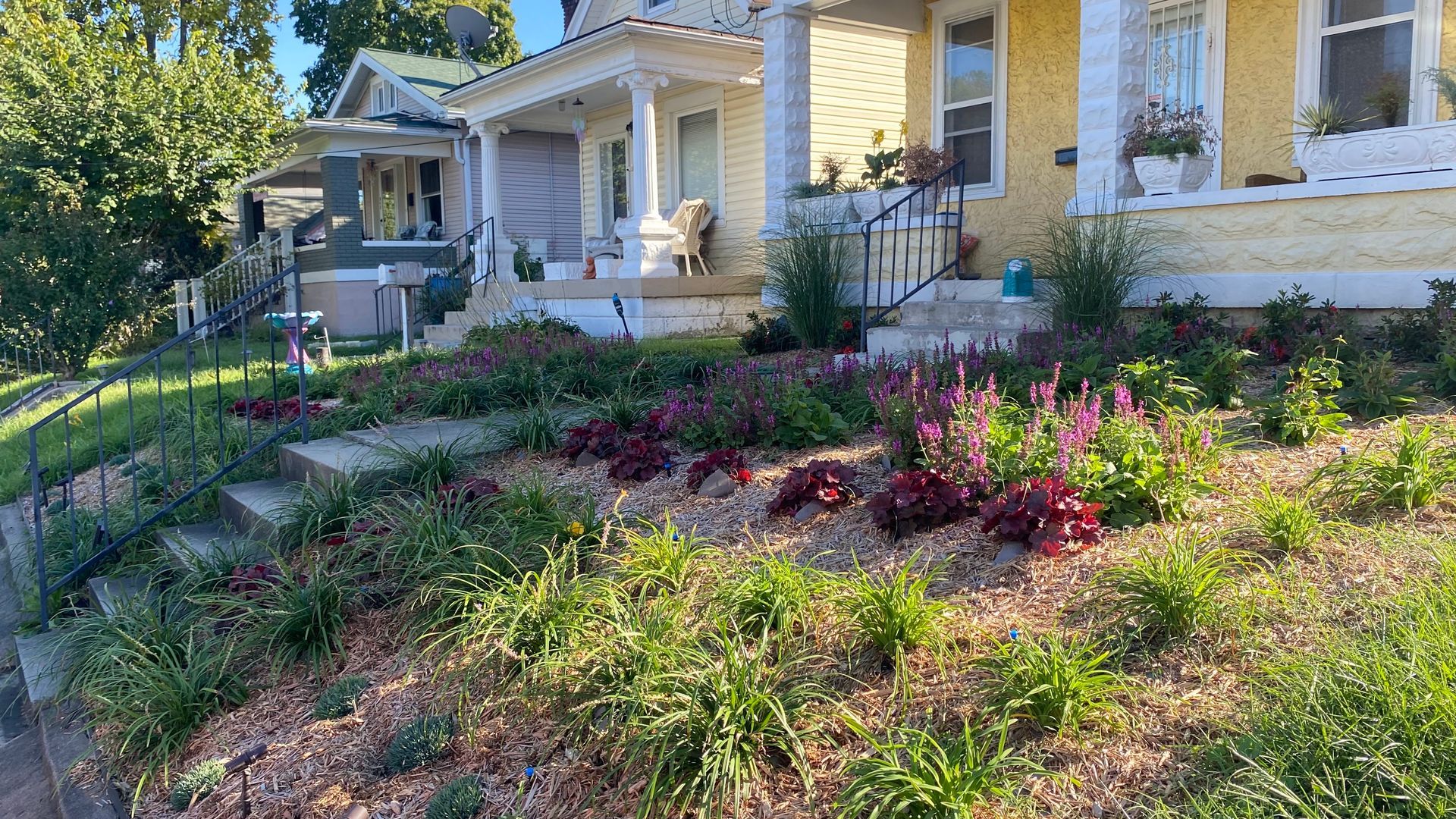
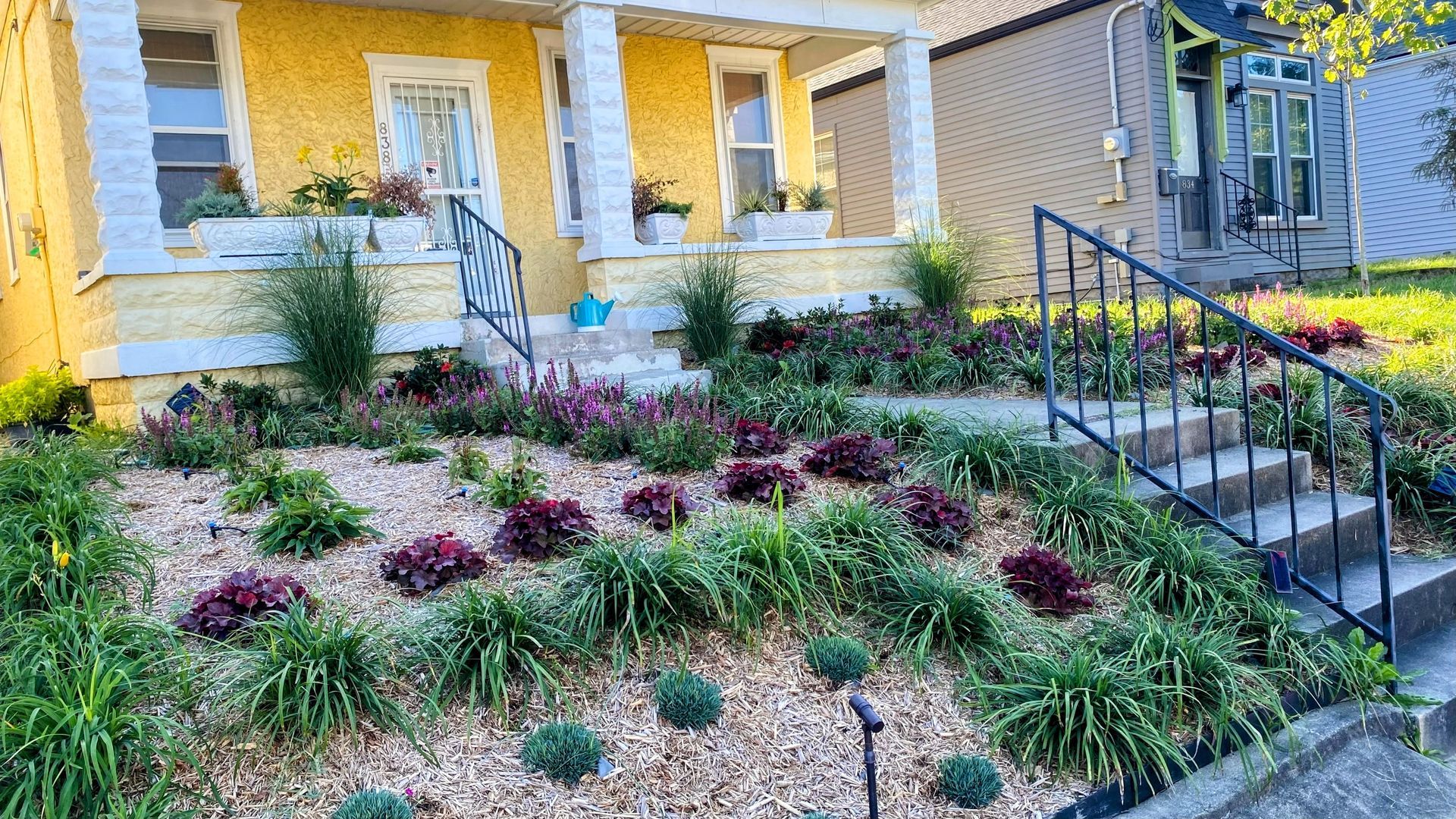
The finished garden replaced a plain lawn with a cohesive, low-maintenance perennial landscape that fits naturally into the Highlands setting. The design addressed erosion concerns, reduced maintenance needs, and created a polished, symmetrical look that complements both the home and surrounding neighborhood.
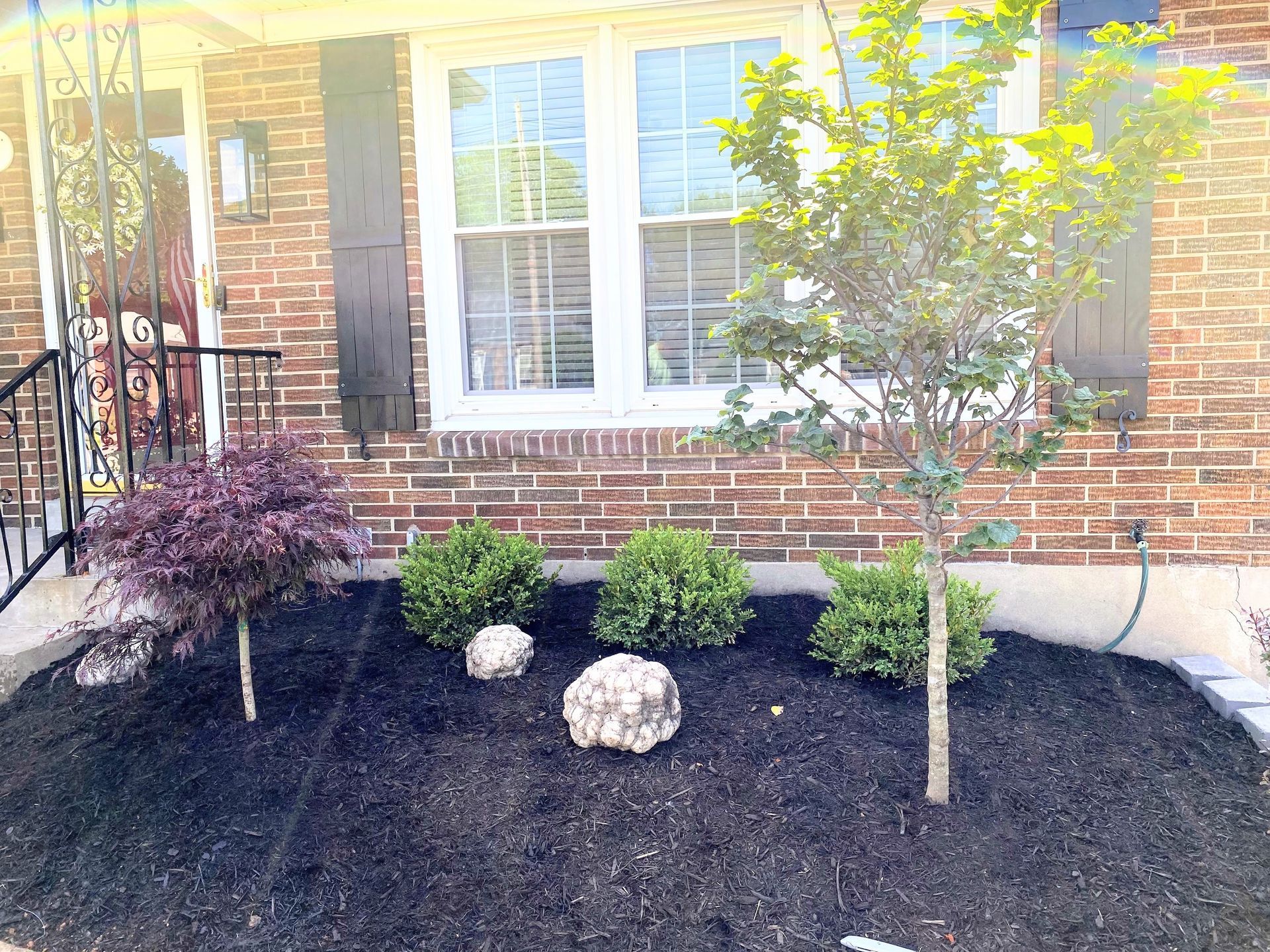
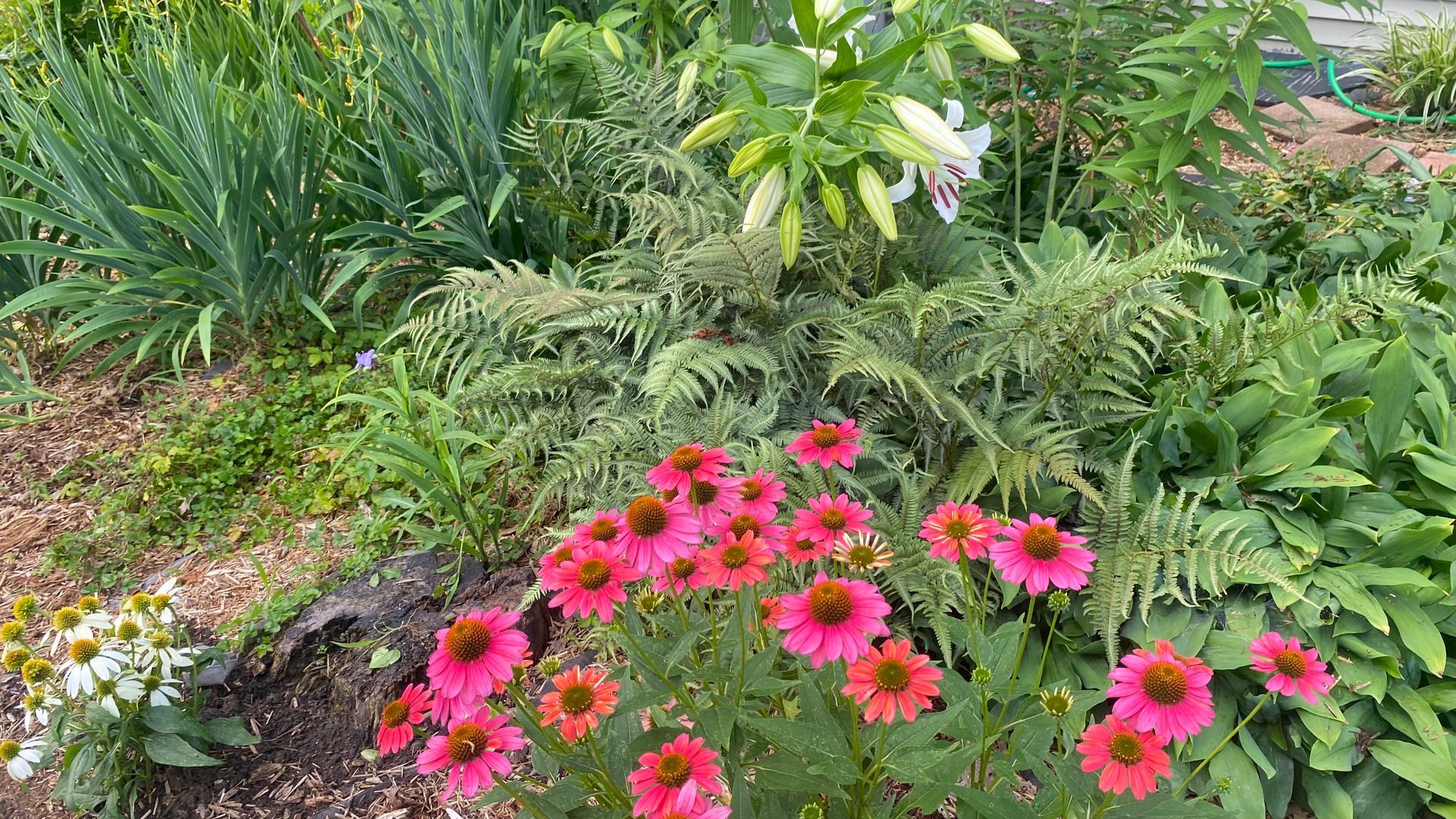
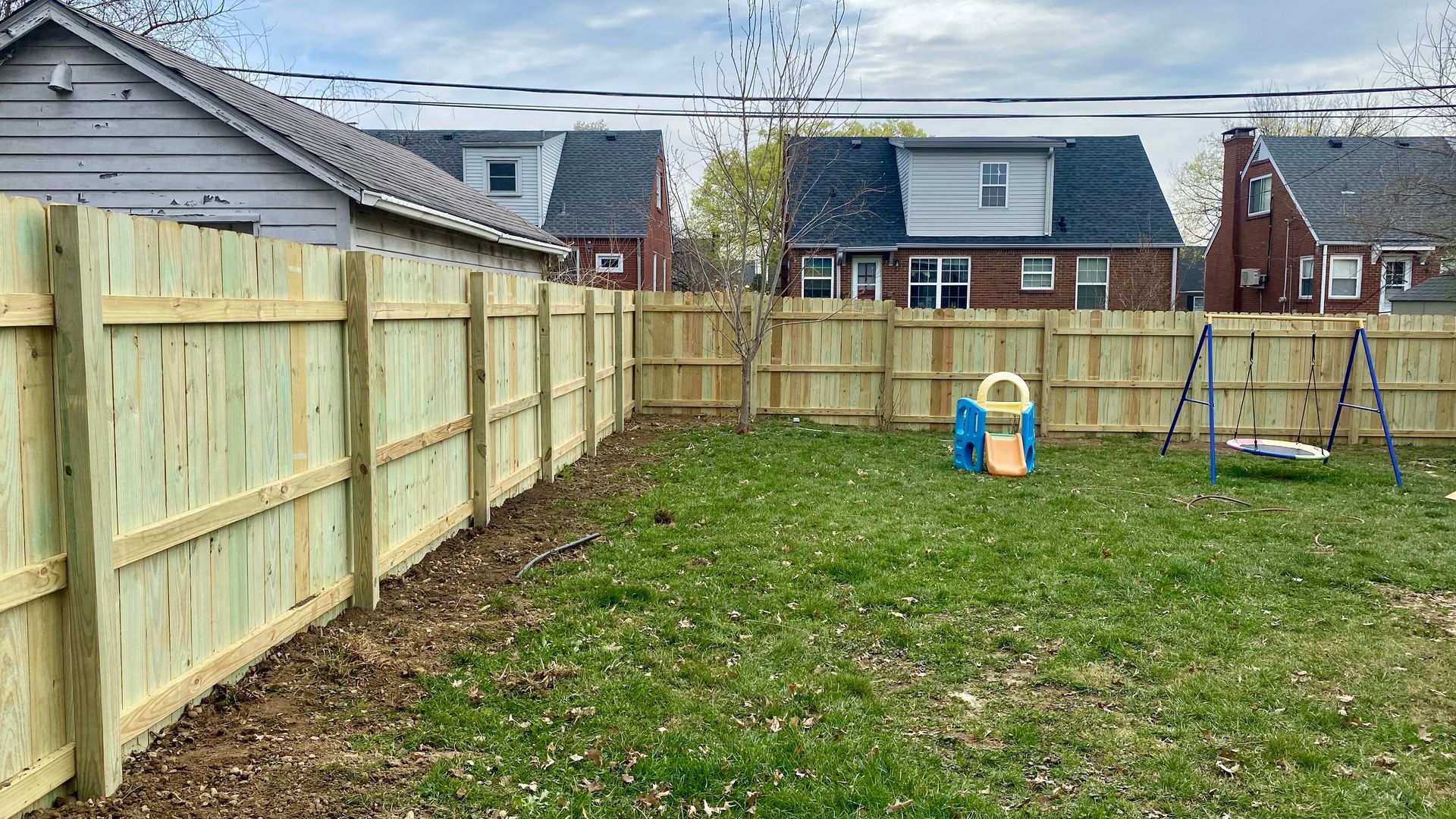
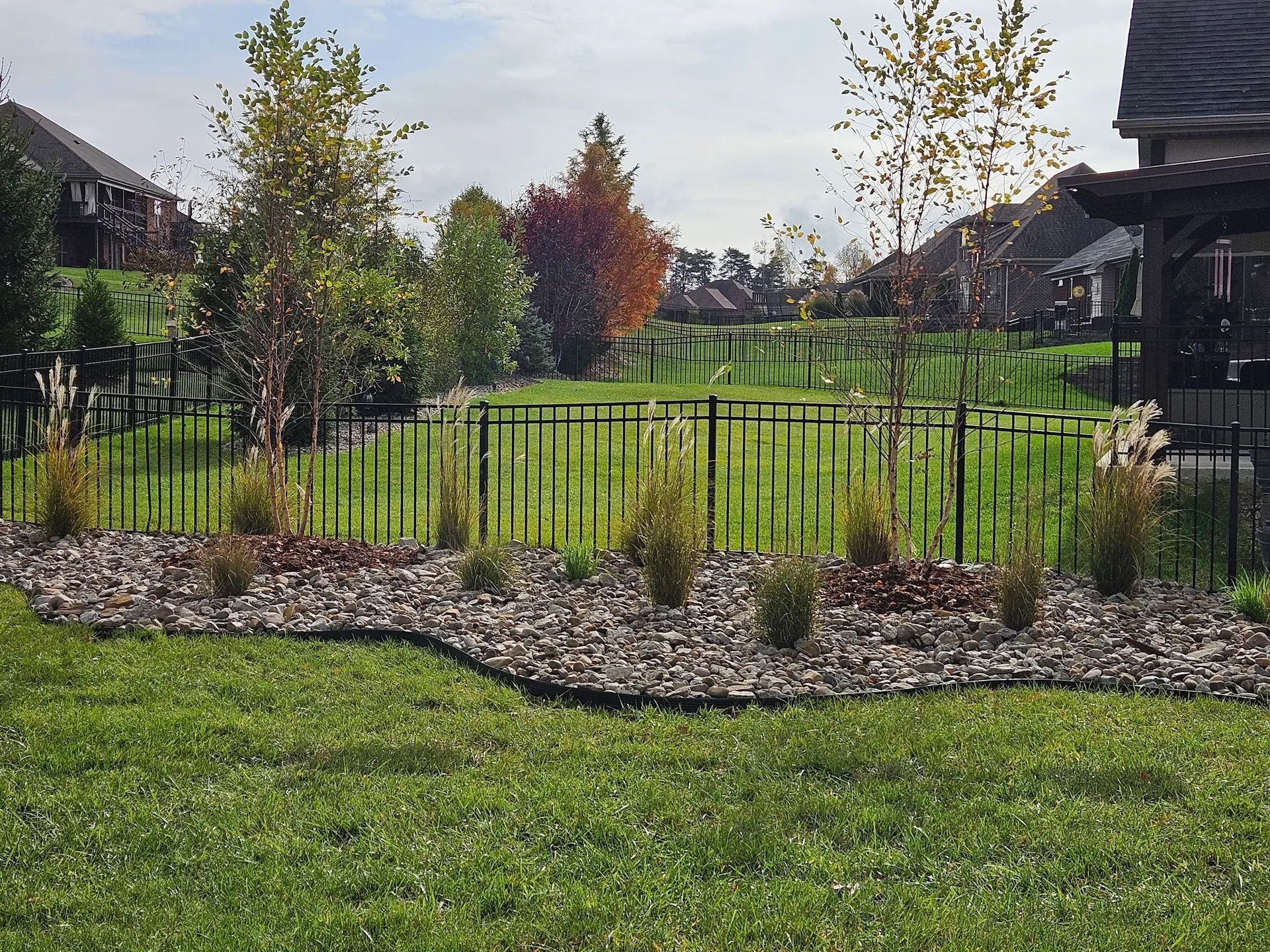
Photos from the project highlight the transformation from grass to a layered, thoughtfully designed perennial garden that will continue to mature beautifully over time.