
Plant Local, Thrive Local: How Native and Regionally Grown Plants Outperform Imports
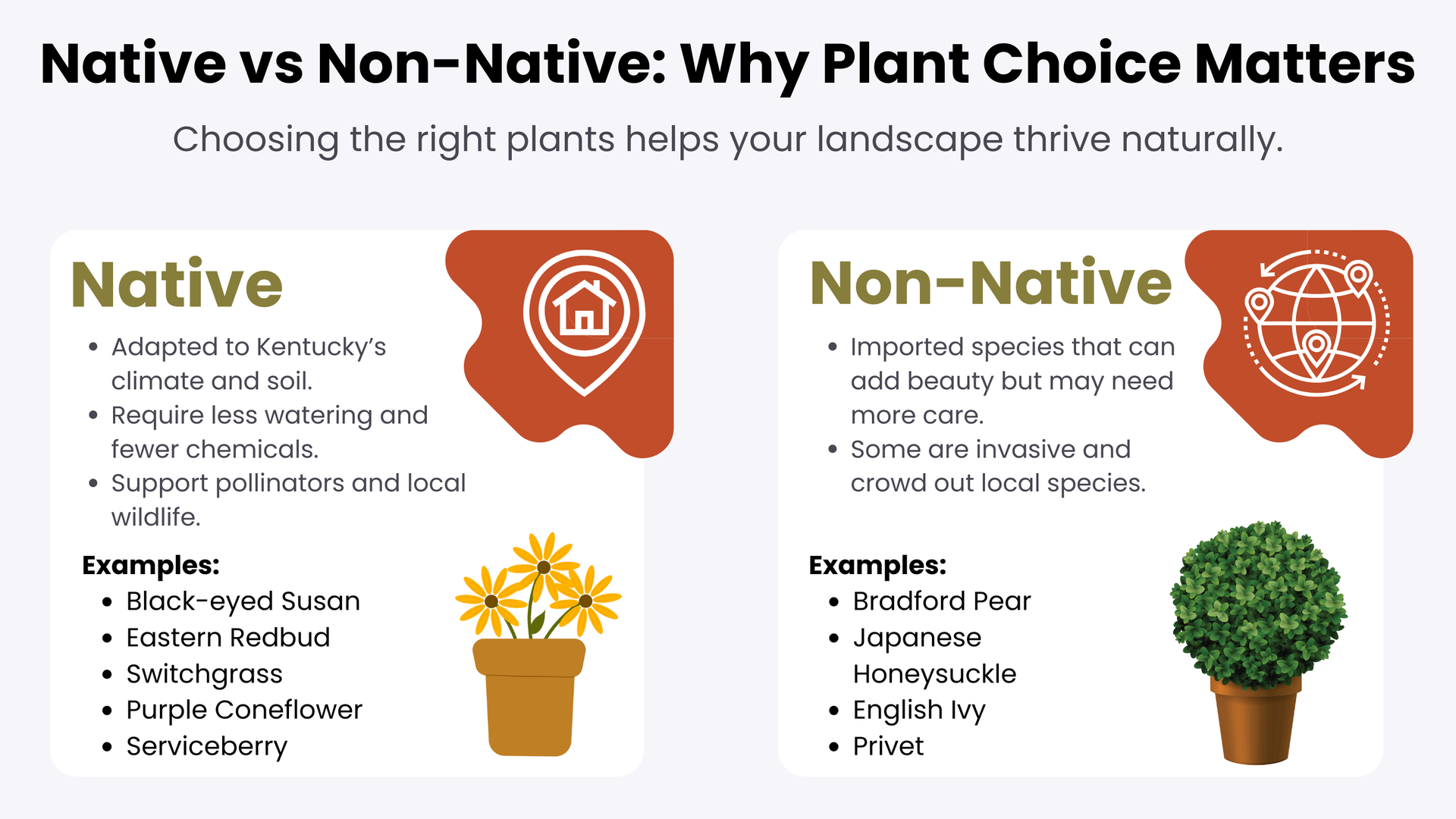
Choosing the right plants for your landscape isn't just about color or size—it's about survival, sustainability, and long-term beauty. If you're planning to upgrade your outdoor space in Louisville, KY, there's one factor that can dramatically affect your results: where your plants come from.
At Bluegrass Gardening, we believe in the power of planting local—because plants that are grown in our region simply perform better. Whether you're starting a new landscape project or refreshing your garden beds, here’s why native and regionally grown plants are the smart choice for Kentucky homeowners.
Why Imported Plants Struggle in Kentucky's Climate
Big-box retailers often source plants from out-of-state growers. While they may look healthy on the shelf, many of these plants are grown in controlled greenhouse environments far from Kentucky’s hot, humid summers and dense clay soils.
The result?
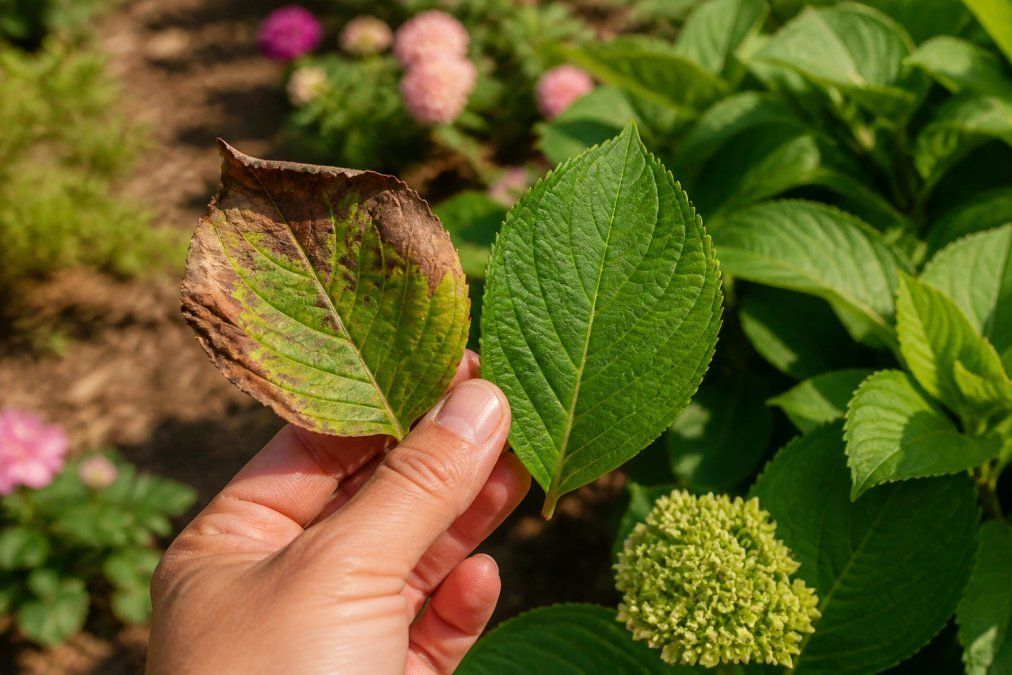
- Transplant shock: Plants grown in different climate zones often struggle to adjust.
- Shorter lifespans: Imported varieties may not survive long-term without extra watering, fertilizing, or pest control.
- Higher maintenance costs:
Plants that aren't adapted to the region require more time, money, and effort to maintain.
The Advantages of Native and Regionally Grown Plants
Local Plants Are Climate-Ready
Plants grown locally have already adapted to the temperature swings, rainfall patterns, and soil conditions unique to Louisville and the surrounding Bluegrass region. That means they can thrive with less intervention—no fancy fertilizers or constant watering needed.
They Support Local Wildlife
Native plants provide essential food and shelter for Kentucky’s pollinators like bees, butterflies, and songbirds. By planting regionally appropriate varieties, you're actively supporting biodiversity in your own backyard.
Better Soil Compatibility
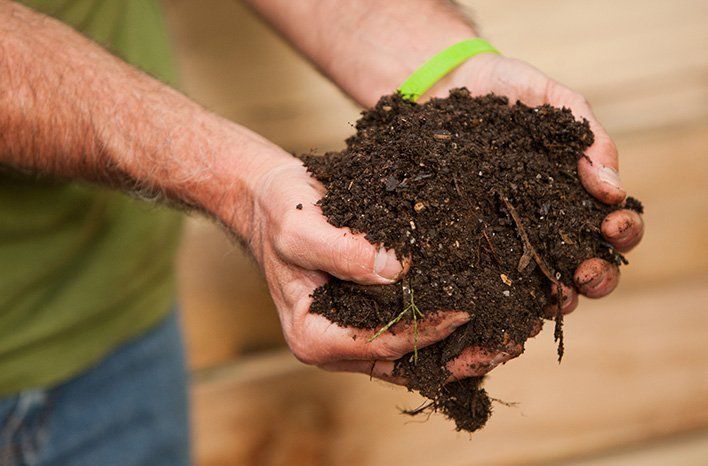
Many Kentucky yards have heavy clay or alkaline soil. Native and regional plants are naturally suited to these conditions, which means stronger root systems, better drainage, and fewer plant losses.
Long-Term Cost Savings
While imported plants might look like a deal upfront, native plants save money over time. They live longer, require less maintenance, and are more resilient in the face of pests or drought conditions.
The Local Expertise Advantage
When you work with a local landscaping company like Bluegrass Gardening, you're not just buying plants—you're gaining access to decades of region-specific knowledge. Our team helps you:
- Select the right native and regionally grown plants for your property
- Create a landscape design that works with Kentucky’s seasons
- Avoid costly mistakes caused by incompatible plant choices
Plus, you’re supporting a local business that understands the unique needs of Louisville homes.
Choose Local. Grow Better.
The success of your landscaping project depends on the foundation you build—and that starts with the right plants. Native and regionally grown species offer stronger performance, easier maintenance, and lasting value.
Whether you're updating your curb appeal or designing a backyard retreat, let us help you plant smarter.
Ready to Create a Landscape That Lasts?
Let’s talk about your goals. Whether you're dreaming of pollinator-friendly flower beds or a full outdoor transformation, our team is here to help with expert plant selection and design tailored for Louisville's unique climate.
Request a Free Quote Today
Contact us today and one of our landscape experts will get in touch to schedule your free consultation. No pressure—just honest advice and a plan that works for your space.
Plant local. Thrive local. Let’s build something beautiful.