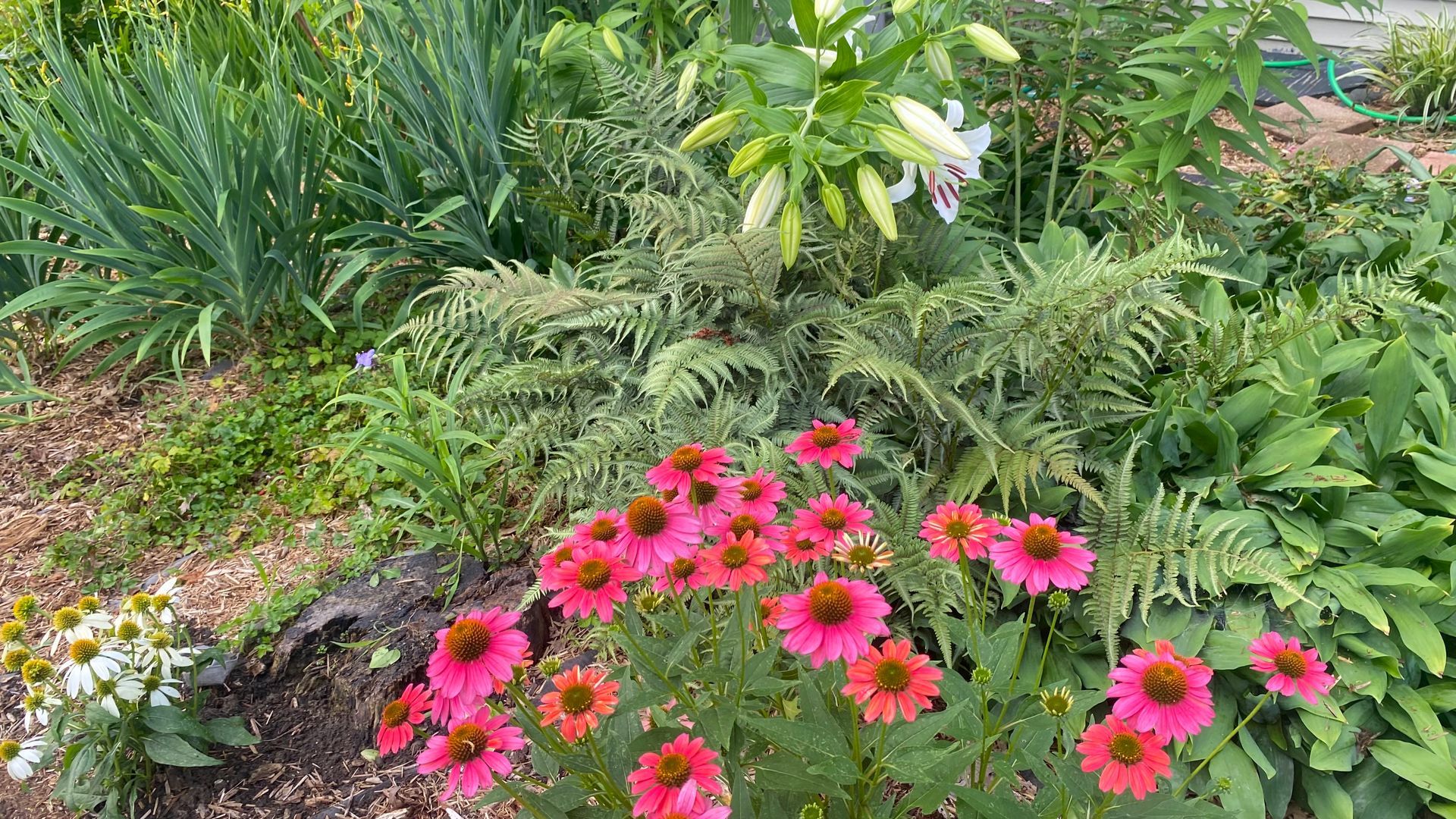

Spring Flower Bed Reset: What to Cut Back, Clean Up, and Keep

Winter can be rough on Louisville landscapes. By the time spring rolls around, most flower beds are filled with dead stems, fallen leaves, and plants that look more like clutter than curb appeal.
The good news is that a proper spring flower bed reset can completely transform your yard in just a weekend (or a single professional visit). Knowing what to cut back, what to remove, and what to leave alone is the key to getting healthy growth and strong blooms all season long.
In this guide, we will walk through exactly how to reset your flower beds after winter, step-by-step.
Why Spring Flower Bed Cleanup Matters in Louisville KY
Louisville weather is unpredictable in early spring. Warm days can trigger early growth, while late cold snaps can still damage tender plants. If beds are left messy too long, they can quickly turn into a breeding ground for weeds, pests, and disease.
A spring flower bed reset helps:
- Improve curb appeal instantly
- Encourage healthier plant growth
- Reduce weeds before they spread
- Prevent rot and fungal problems
- Prepare beds for mulch and new planting
Whether you are maintaining an established garden or trying to bring a neglected yard back to life, spring cleanup is one of the most important seasonal tasks.
Step 1: What to Cut Back in Spring Flower Beds
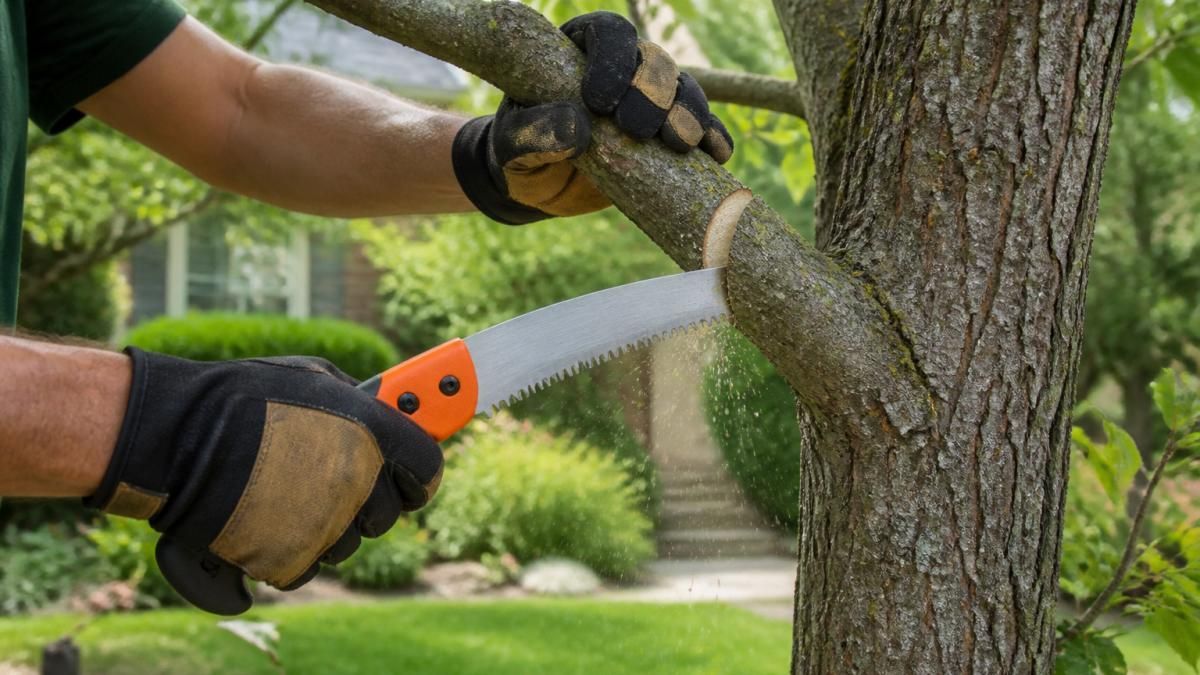
Cutting back the right plants at the right time keeps your landscape looking neat and helps new growth come in strong.
Here are the most common things to cut back in spring:
Perennials (Dead Stems and Old Growth)
Most perennials die back during winter and leave behind dry stems.
You can usually cut these down to about 2-4 inches above the ground, especially if you see new green growth at the base.
Common perennials to cut back include:
- Hostas (once they are mushy or brown)
- Daylilies
- Coneflowers
- Black-eyed Susans
- Sedum (depending on variety)
- Peonies (remove old stems, but avoid damaging new shoots)
Tip: Always check for new shoots before cutting too low.
Ornamental Grasses
Ornamental grasses should be cut back in early spring before new blades start pushing through.
Cut them down to about:
- 4-6 inches tall for smaller grasse
- 8-12 inches tall for larger grasses
If you wait too long, you risk cutting off fresh growth, which can leave the plant looking uneven for months.
Dead Annuals from Last Year
If you still have dead annuals in your beds (petunias, marigolds, impatiens, etc.), these should be removed completely.
Annuals will not come back and can attract mold and pests if left behind.
Certain Shrubs (Light Trimming Only)
Early spring is a good time for light shaping on some shrubs, especially if they have winter damage.
However, heavy pruning should be done carefully because many flowering shrubs bloom on old growth.
Safe shrubs to lightly trim in spring include:
- Boxwoods
- Holly
- Some evergreen foundation plant
For flowering shrubs like hydrangeas, azaleas, or lilacs, pruning depends on the variety and bloom timing.
If you are unsure, it is better to wait or call a professional.
Step 2: What to Clean Up and Remove Completely
Spring cleanup is not just about cutting back plants. It is also about removing everything that prevents your beds from looking clean and healthy.
Leaves, Sticks, and Winter Debris
This is the most important first step. Leaves left in beds trap moisture and can smother early spring growth.
Remove:
- Leaves
- Twigs and branches
- Trash and windblown debris
- Dead plant material that has collapsed into the soil
A leaf rake, garden gloves, and a tarp make this process much easier.
Weeds (Even the Small Ones)
Early weeds are easy to pull. Late weeds are a nightmare.
Common early spring weeds in Louisville include:
- Chickweed
- Henbit
- Dandelions
- Clover
Pull weeds by the root, especially around the base of perennials.
If you do not remove them early, they will multiply fast once temperatures rise.
Old Mulch That Has Broken Down
Mulch does not last forever. Over time, it breaks down into the soil and can become patchy or compacted.
Signs your mulch needs replacement:
- It looks faded or gray
- You can see bare soi
- It is clumpy and packed down
- Weeds are growing easily through it
You do not always need to remove every bit of old mulch, but you should rake and loosen it before adding fresh mulch.
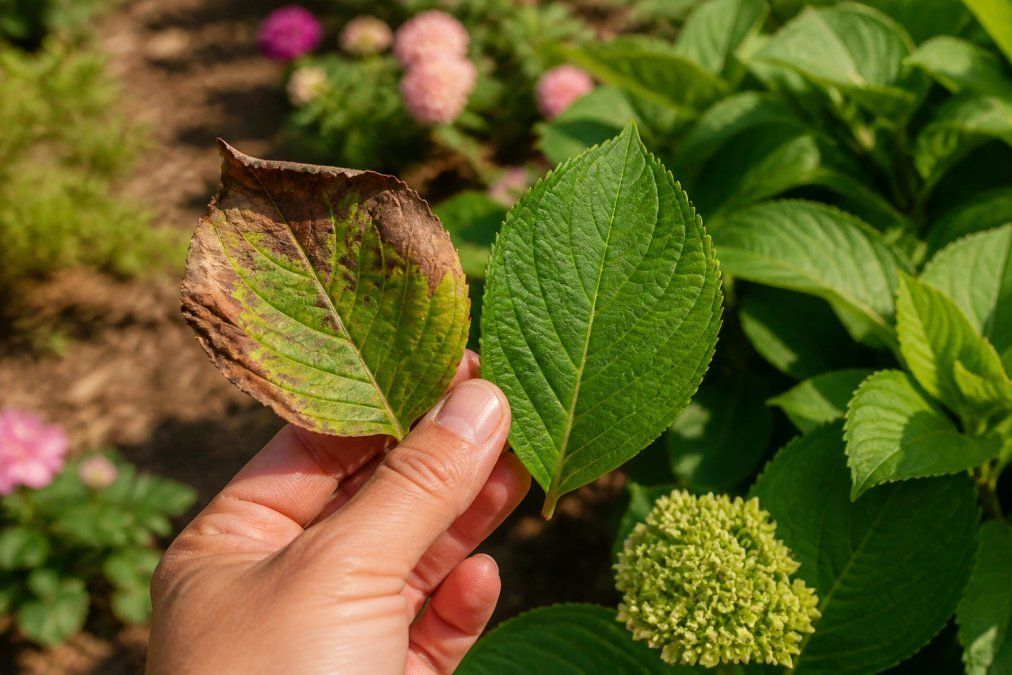
Dead Plants That Did Not Survive Winter
Spring is when you can finally tell which plants are alive and which ones are done.
Remove plants that show:
- No green growth after several warm weeks
- Brittle stems that snap easily
- Mushy roots or moldy bases
Replacing dead plants early helps your bed look complete and balanced again.
Step 3: What to Keep (And Leave Alone)
This is where many homeowners make mistakes. Cutting too much too early can hurt your garden and reduce blooms.
Here are the things you should usually keep during spring cleanup:
Healthy Perennials That Are Already Sprouting
If a plant is showing new green growth, do not remove it just because it looks small or uneven.
Spring growth often starts slowly, especially in shaded beds.
Flowering Shrubs That Bloom Early
Many spring-flowering shrubs bloom on old wood, meaning their buds formed last year.
Examples include:
- Lilac
- Azalea
- Forsythia
- Weigela
If you prune these too early, you may remove the blooms completely.
Groundcovers That Are Spreading
Groundcovers like creeping phlox, vinca, or ivy may look rough after winter but often recover quickly.
Instead of ripping them out, clean around them and trim only damaged sections.
Step 4: Edge and Shape Your Flower Beds
Once your bed is cleaned up, redefining the edges makes a huge difference visually.
Clean edges:
- Make mulch look more professional
- Create sharper contrast between grass and bed
- Improve curb appeal instantly
Even if you do not add new plants, fresh edging makes the whole landscape look upgraded.
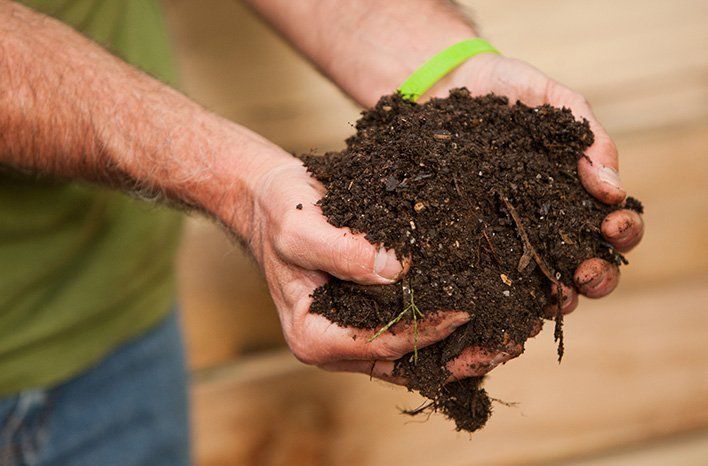
Step 5: Prep the Soil for a Strong Growing Season
After cleanup, take a few minutes to improve your soil.
You can do this by:
- Lightly loosening compacted soil with a hand rake
- Mixing in compost or nutrient-rich topsoil if needed
- Removing exposed roots or debris
Healthy soil = healthier plants and fewer problems later.
Step 6: Refresh Mulch (The Final Step)
Mulch is the finishing touch of a spring flower bed reset. It makes beds look clean and helps plants thrive.
Mulch helps:
- Hold moisture in the soil
- Prevent weeds from growing
- Keep roots cooler in summer
- Improve overall curb appeal
Most beds benefit from about 2-3 inches of fresh mulch. Too much mulch can smother plants and trap moisture against stems.
When Should You Reset Flower Beds in Louisville KY?
Most homeowners should reset their flower beds between:
late March and early May.
This timing allows you to clean up winter damage while staying ahead of weed growth and summer heat.
Want a Professional Flower Bed Reset? Bluegrass Gardening Can Help.
Spring cleanup can take hours, especially if your beds have not been reset in a while. If you want your yard looking clean, polished, and professionally maintained without spending your weekends hauling debris and spreading mulch, our team can help.
Our Garden Reset package is designed specifically for spring flower bed cleanup, including:
- Bed debris removal
- Cutting back perennials and ornamental grasses
- Light pruning and cleanup
- Preparing beds for mulch and planting
We also offer additional options like mulch refreshes, bed redefining, and seasonal planting for homeowners who want a full spring upgrade.
Schedule Your Spring Garden Reset Today
A clean, healthy flower bed is the foundation of a beautiful yard. Whether you need a basic cleanup or a complete refresh, Bluegrass Gardening is ready to help Louisville homeowners get their landscapes back in shape.
Contact us today to schedule your spring flower bed reset and enjoy a better-looking yard all season.