
Hardscaping vs. Landscaping: What’s the Difference?
When it comes to designing the perfect outdoor space, you’ve likely come across the terms hardscaping and landscaping. While they may sound similar, these two concepts play very different roles in creating a balanced and functional yard.
In this guide, we’ll break down the differences between hardscaping and landscaping, explore their unique benefits, and explain how they work together to enhance your home’s curb appeal and usability.
What Is Hardscaping?
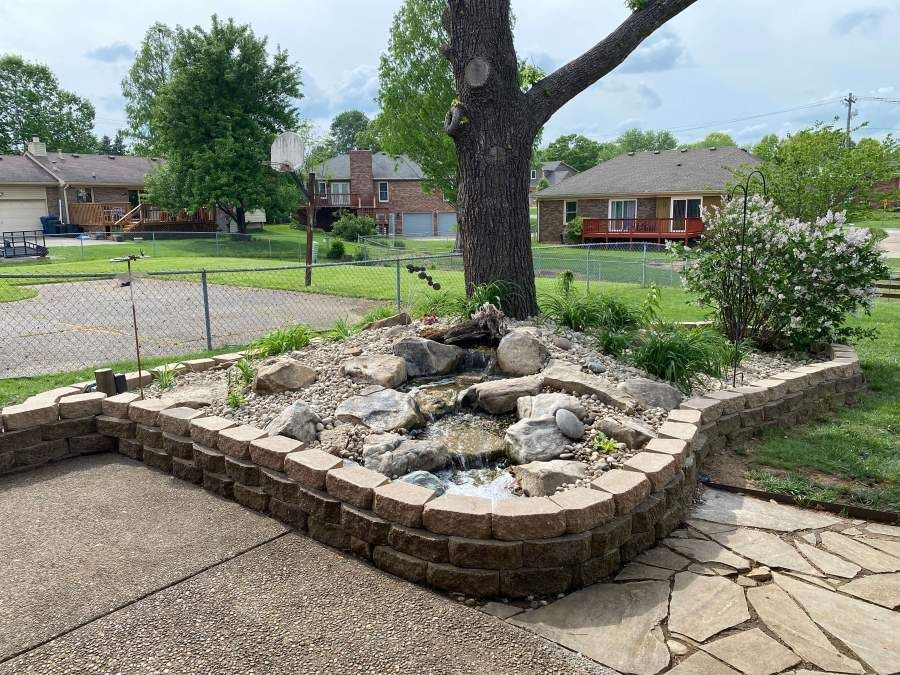
Hardscaping refers to the non-living, structural elements in your outdoor space. These are the permanent features that provide functionality, structure, and design to your yard. Hardscaping elements are typically made from materials like stone, concrete, brick, wood, or metal.
Examples of hardscaping include:
- 🧱 Patios and decks
- 🚶 Walkways and pathways
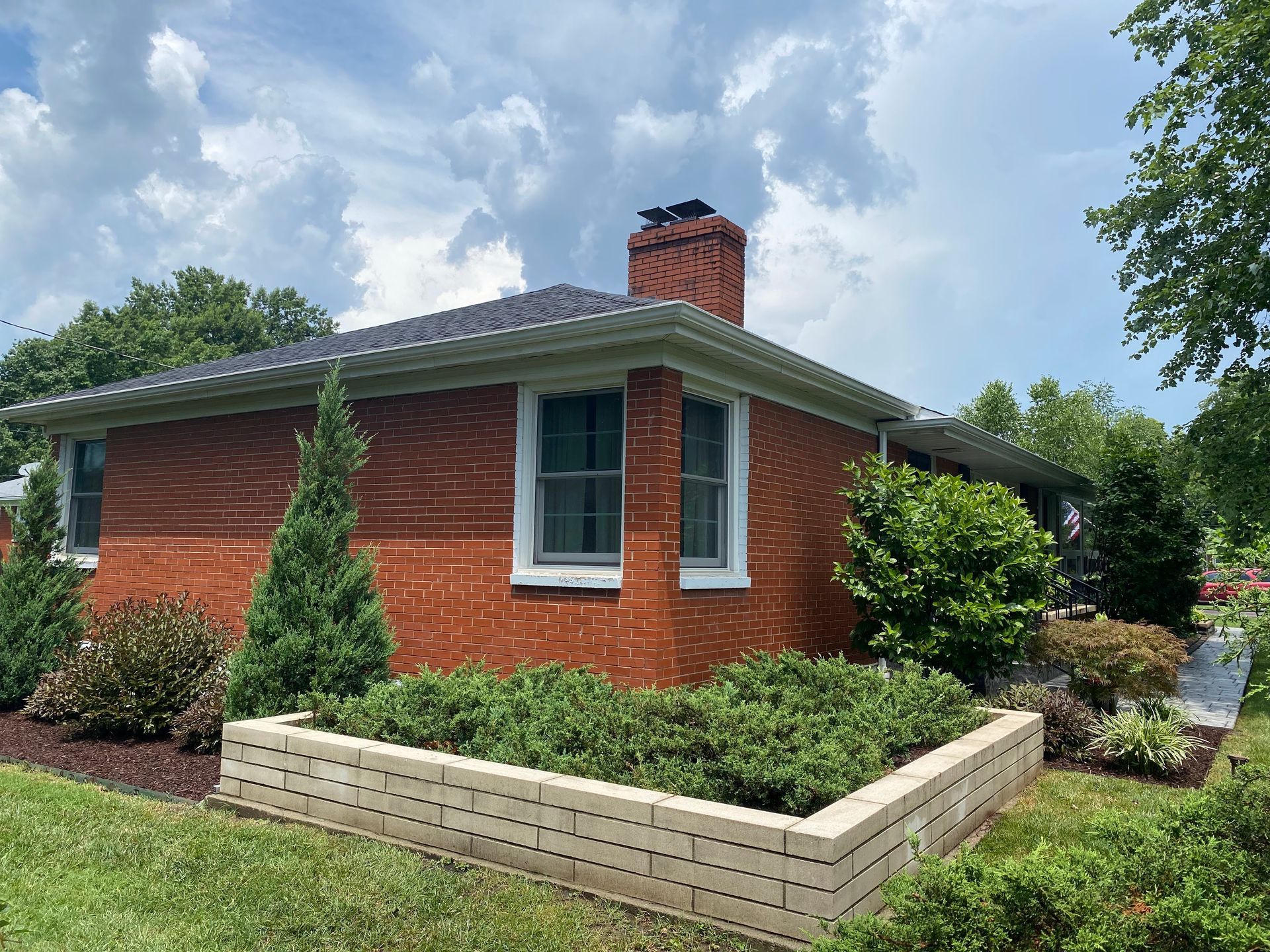
- 🧱 Retaining walls
- 🛡️ Privacy fences
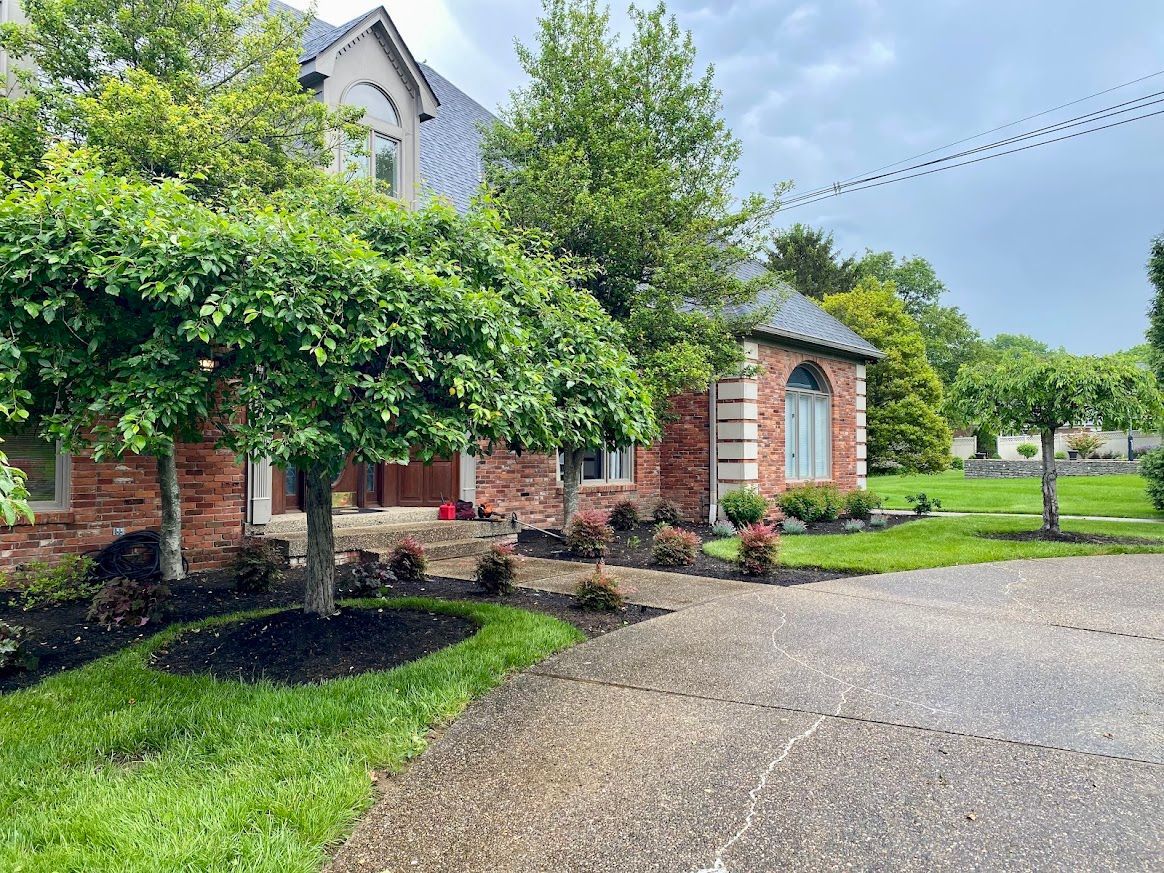
- 🏡 Driveways
- 🔥 Fire pits and outdoor kitchens
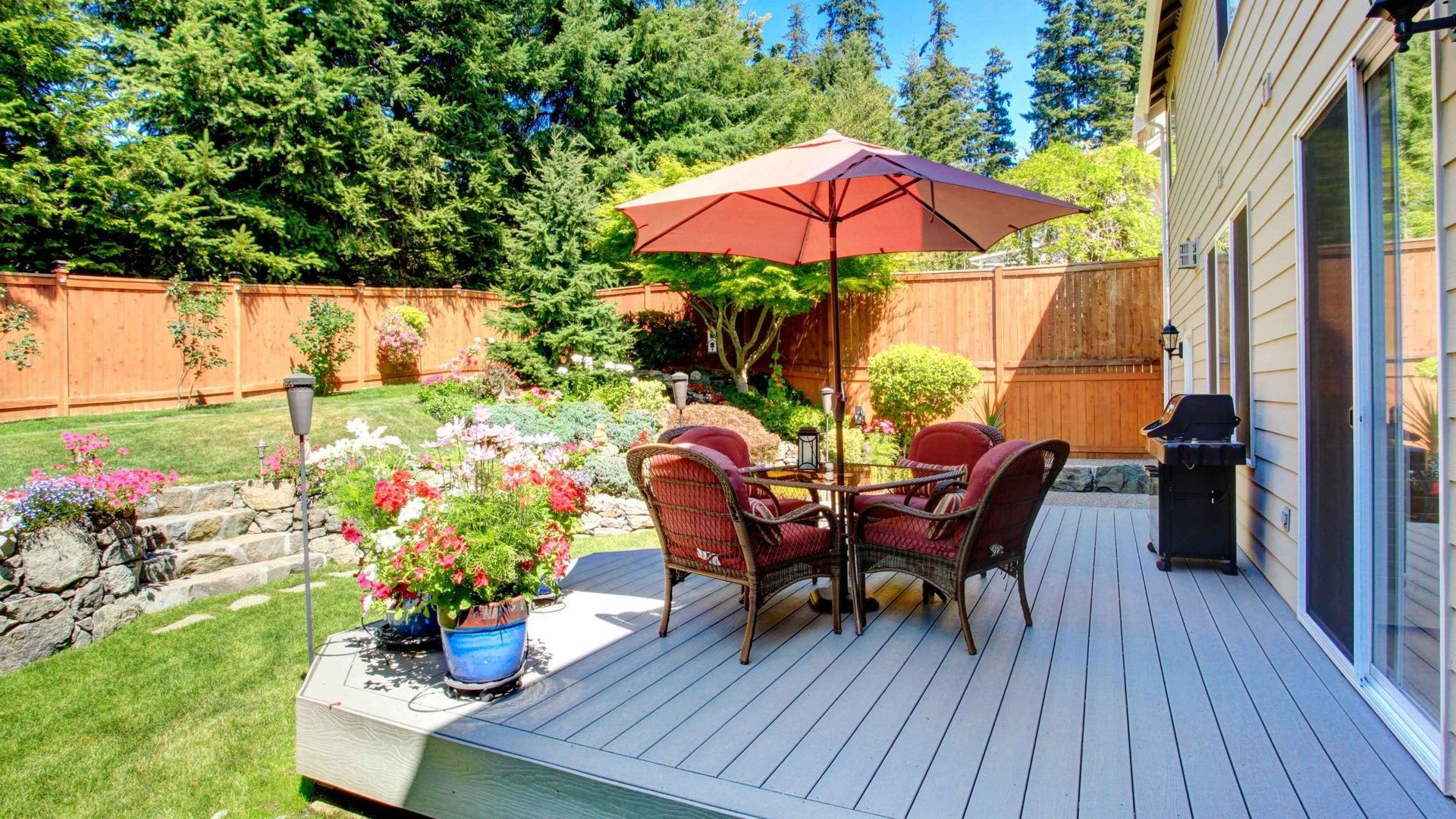
Hardscaping provides the foundation and structure for your yard, creating functional spaces for relaxation, entertaining, and movement.
What Is Landscaping?
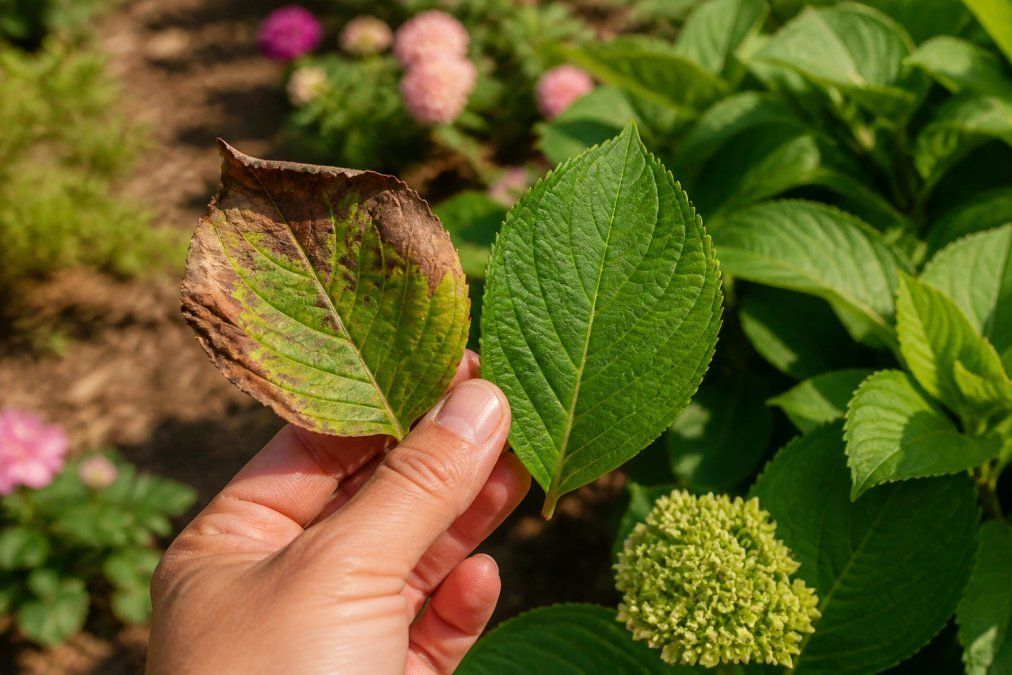
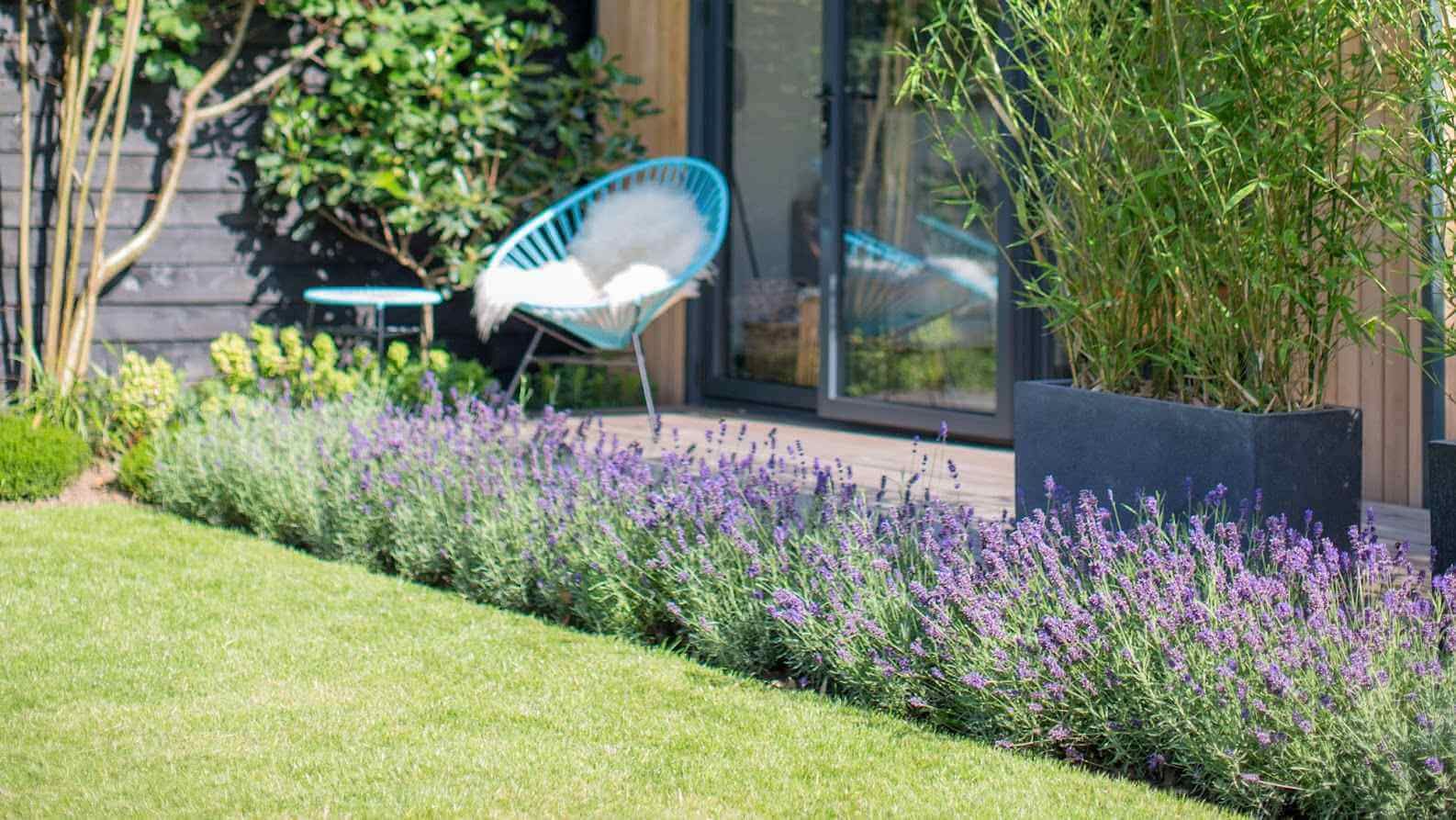
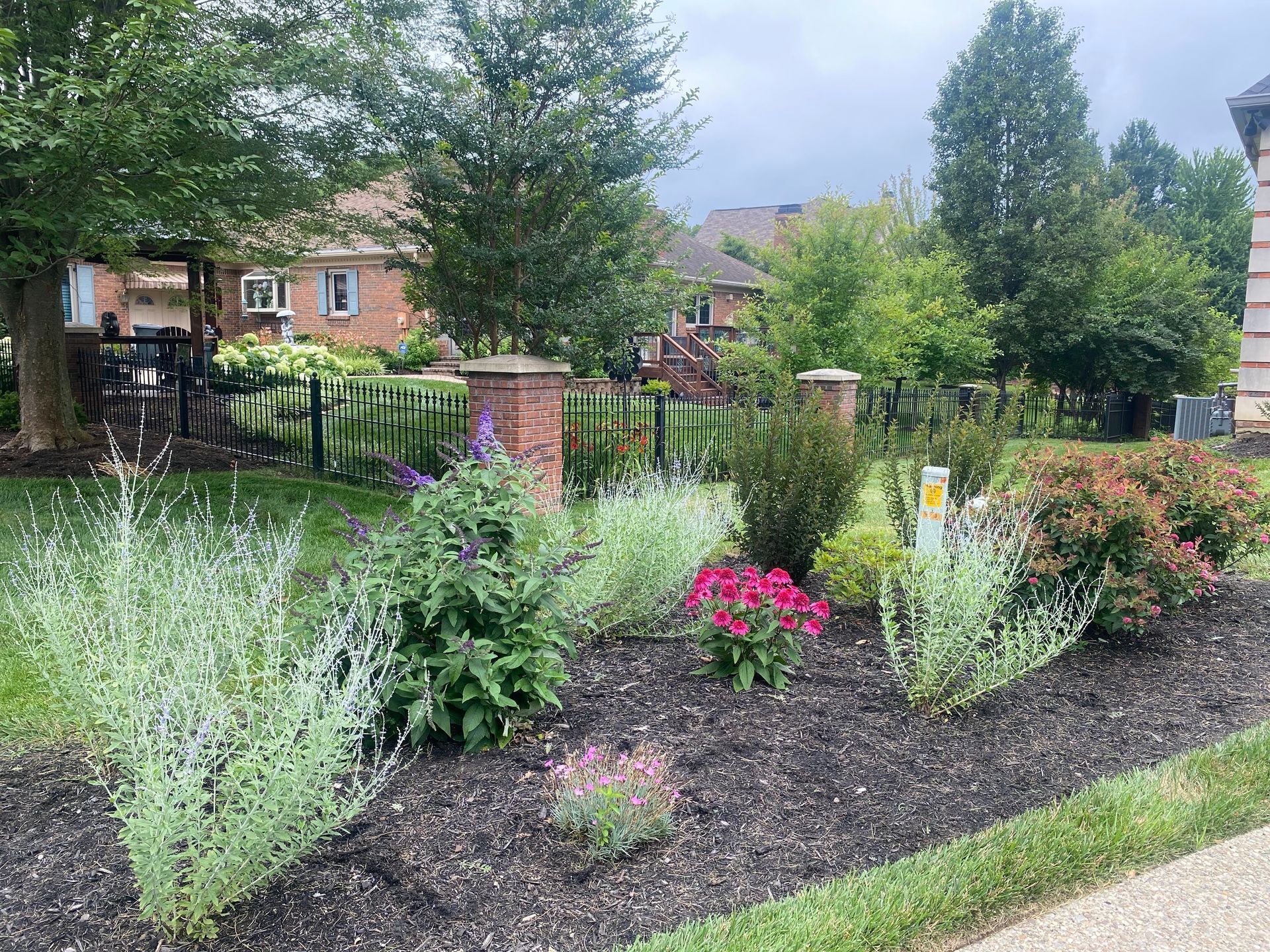
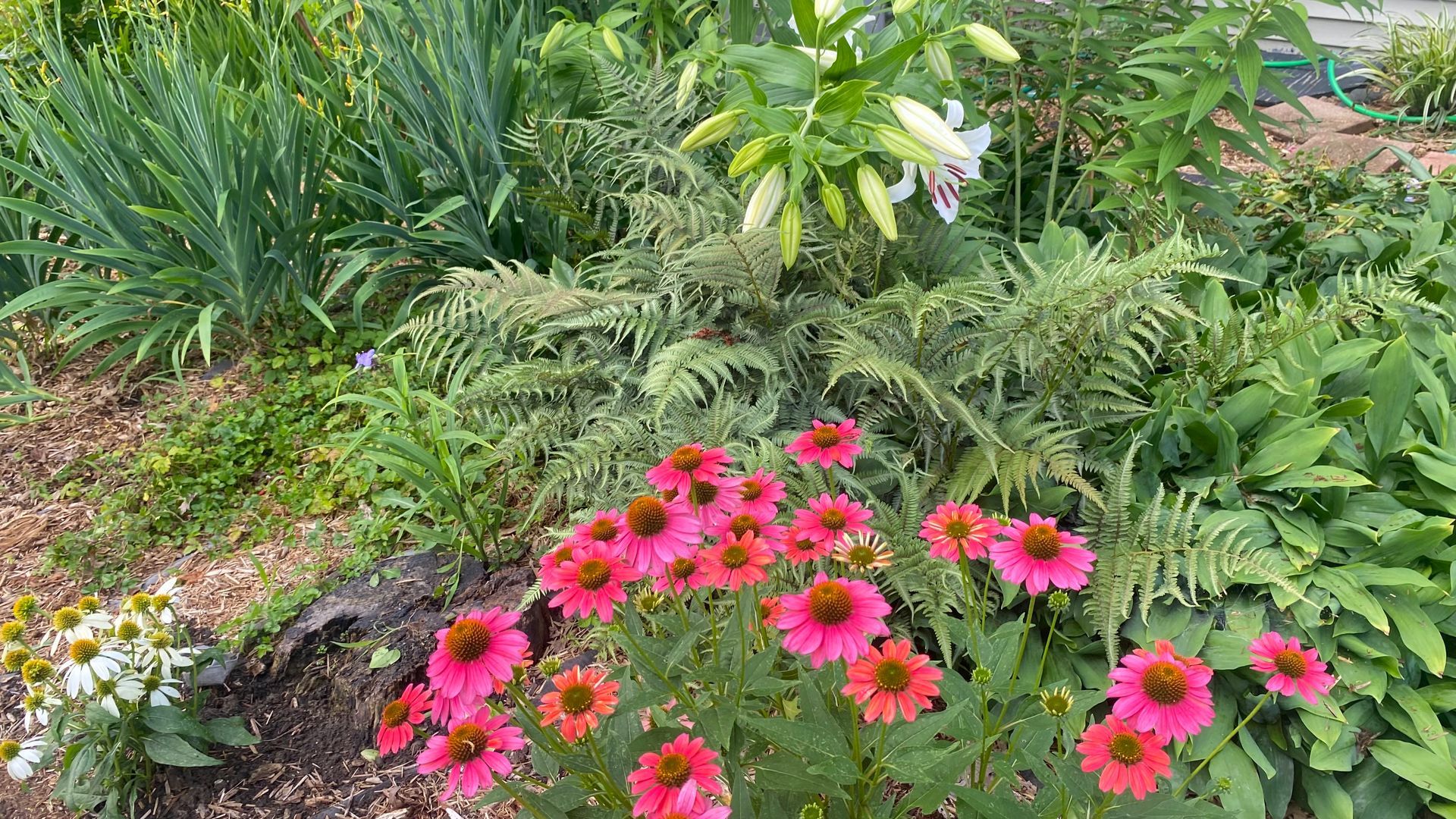
Landscaping, on the other hand, focuses on the living elements of your outdoor design. This includes plants, grass, flowers, trees, and shrubs that add color, texture, and life to your space.
Examples of landscaping include:
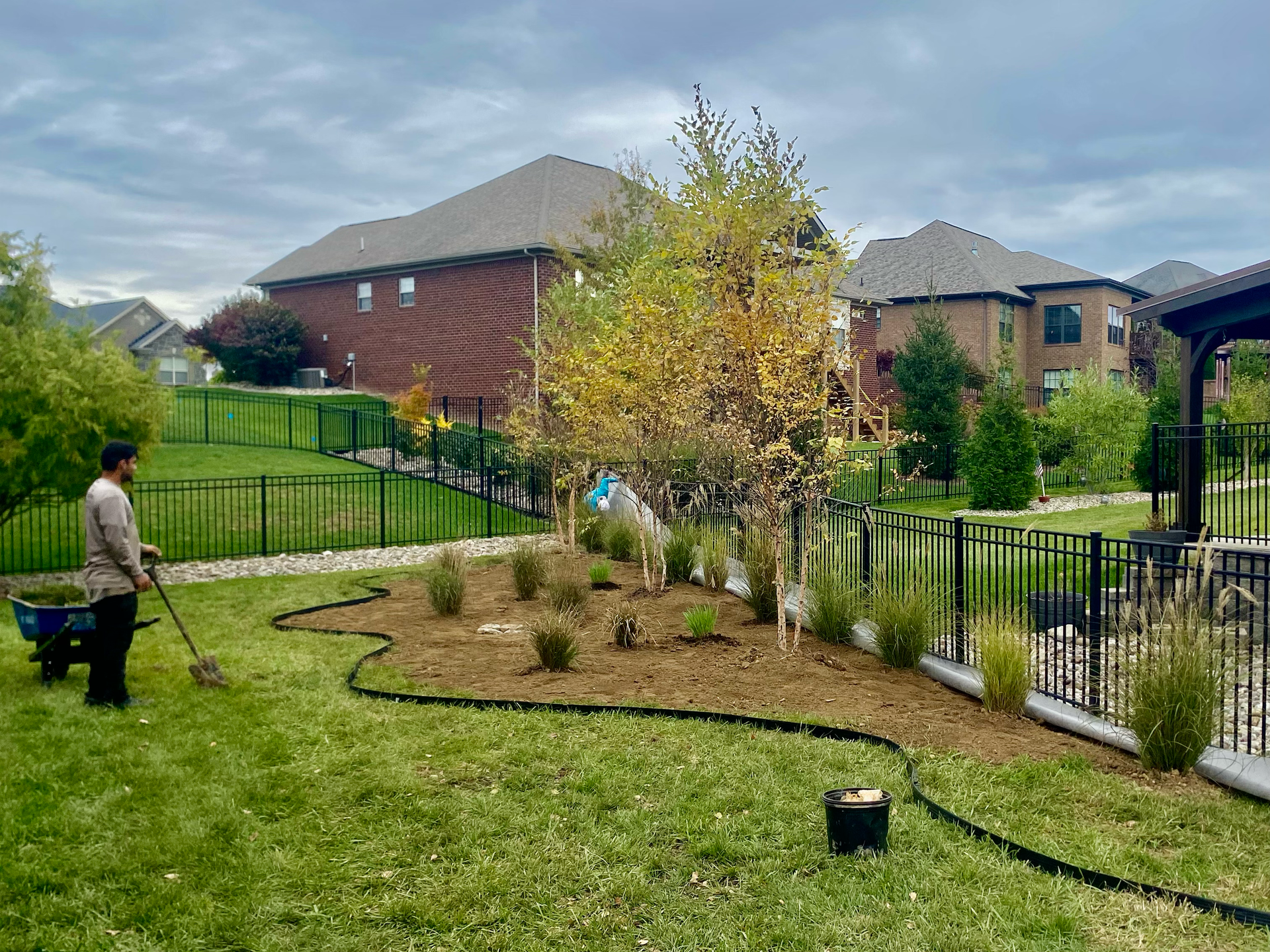
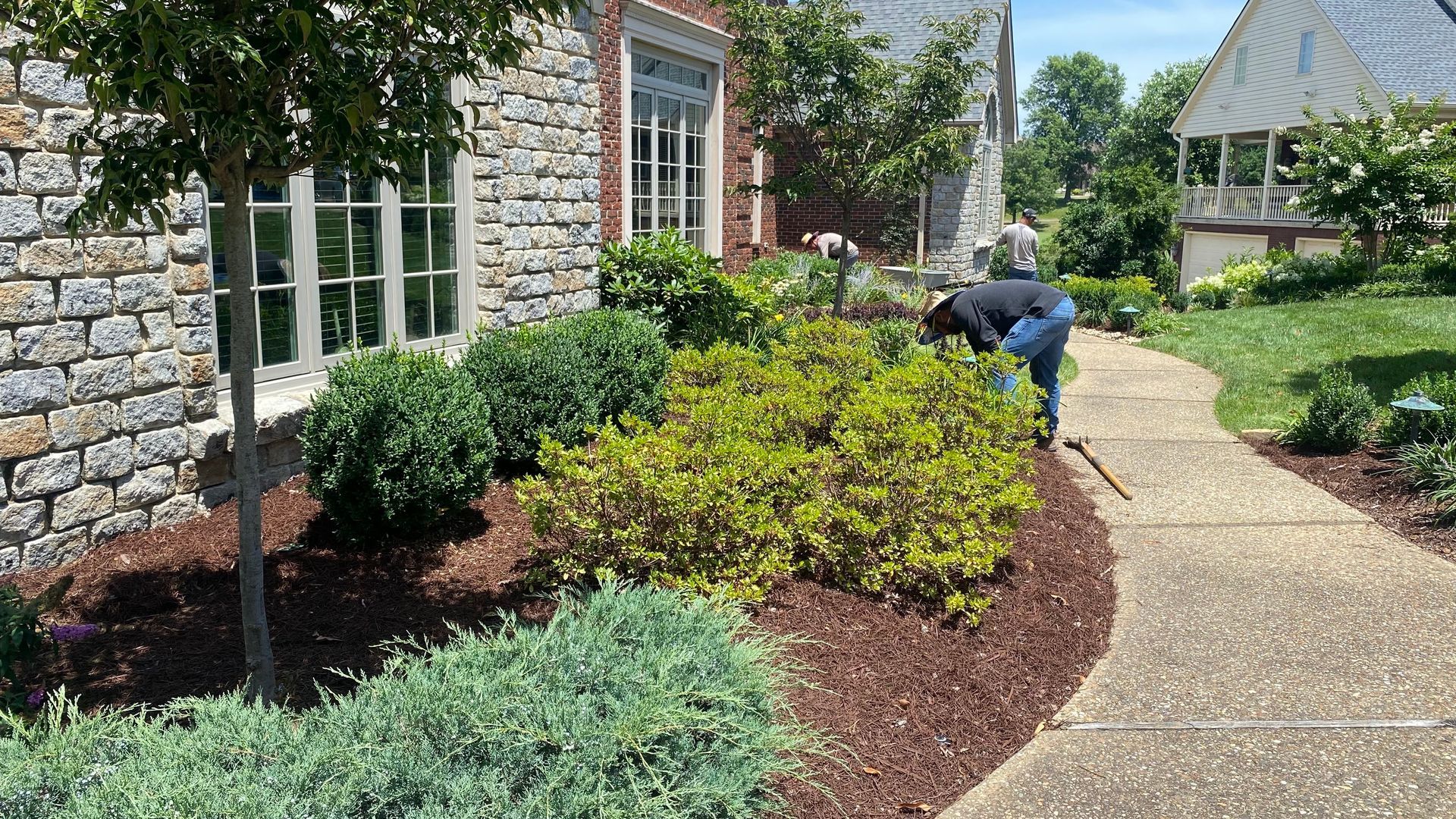
- 🌱 Planting garden beds
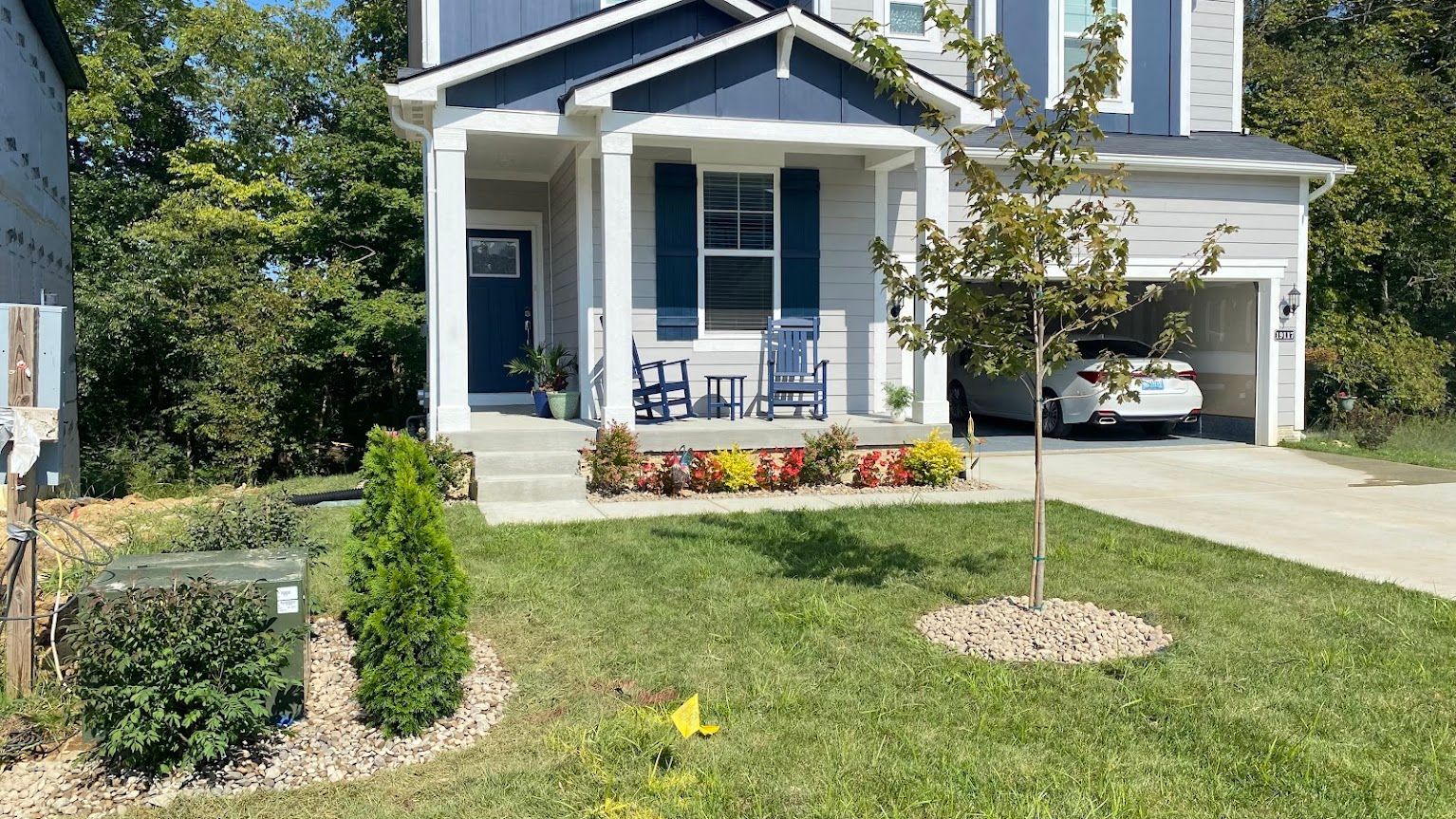
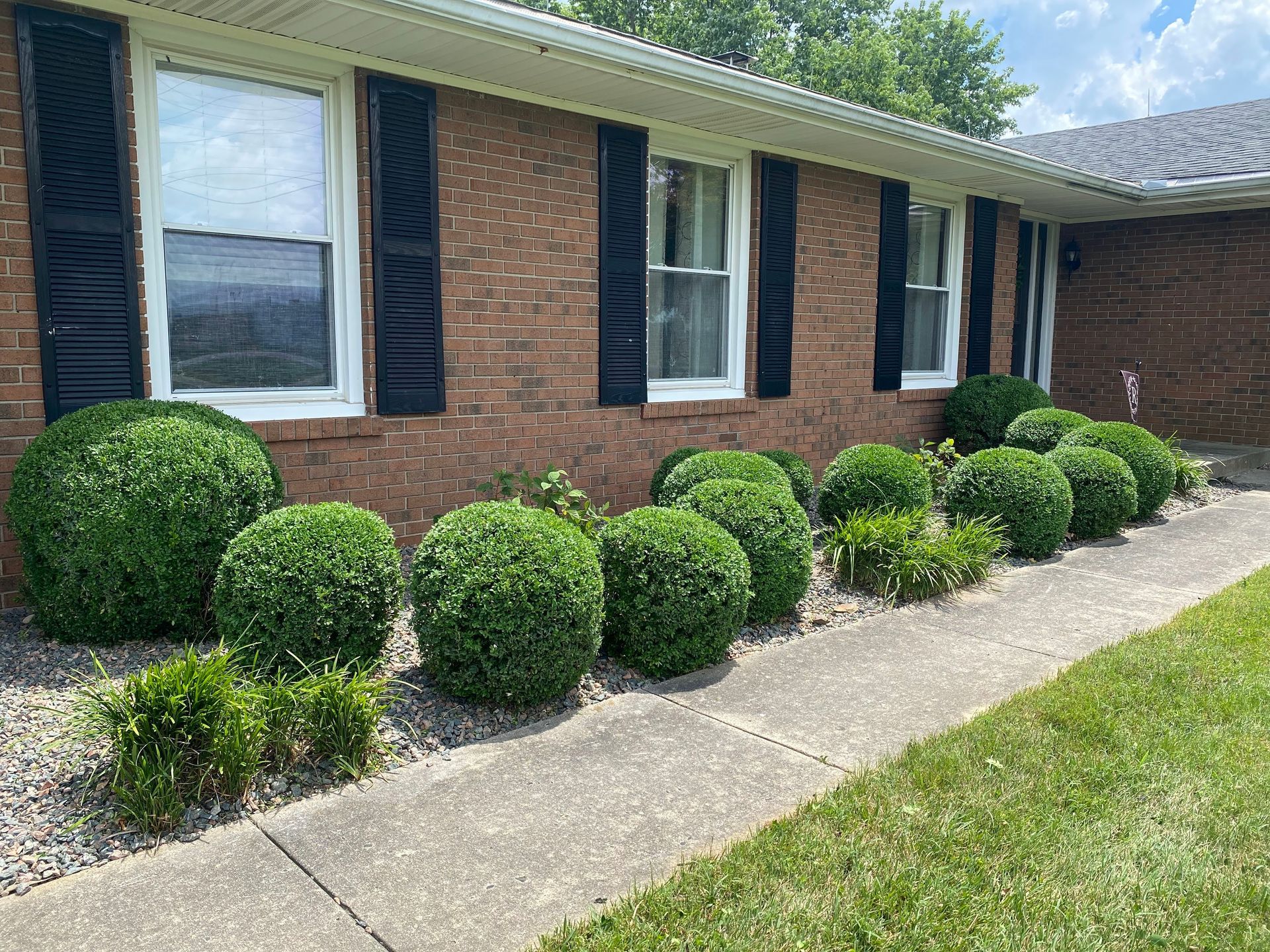
- 🌳 Adding trees or shrubs
- 🌺 Designing flower arrangements
- 🌾 Installing ornamental grasses
- 🍂 Seasonal garden enhancements
Landscaping complements hardscaping by softening the overall look and connecting your outdoor space with nature.
Hardscaping vs. Landscaping: Key Differences
While both hardscaping and landscaping are integral to a well-designed yard, here are the key differences between the two:
| Feature | Hardscaping | Landscaping |
|---|---|---|
| Definition | Non-living structural elements (e.g., patios, walls, walkways). | Living elements like plants, grass, and flowers. |
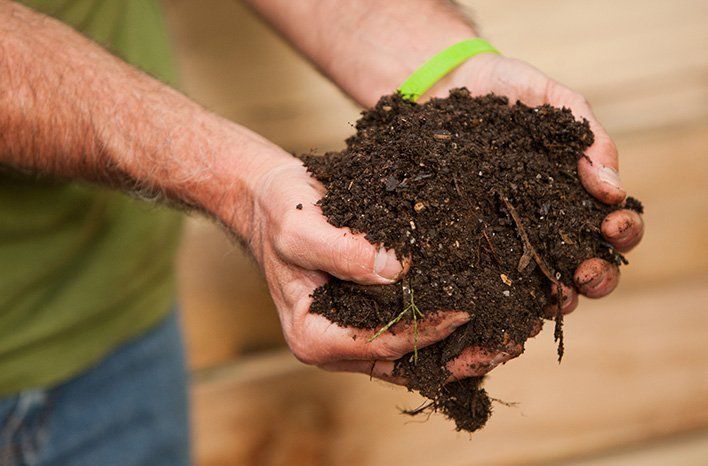
| Materials | Stone, concrete, wood, metal, pavers. | Soil, mulch, plants, grass, flowers. |
| Purpose | Provides structure, usability, and durability. | Creates natural beauty, texture, and color. |
| Maintenance | Minimal maintenance; periodic cleaning and repairs. | Ongoing maintenance; watering, pruning, and planting. |
How Hardscaping and Landscaping Work Together
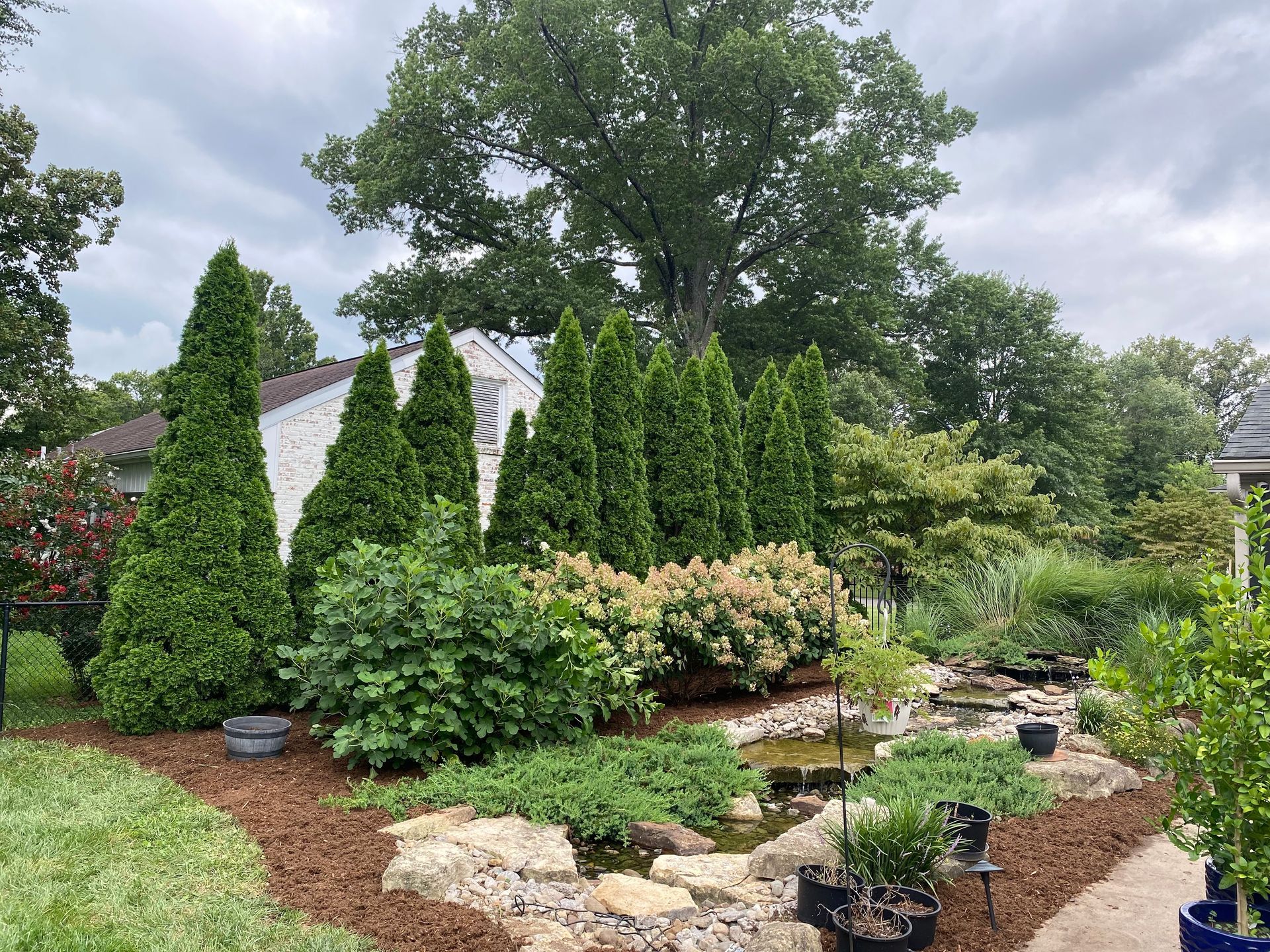
The most successful outdoor designs combine both hardscaping and landscaping elements to create a cohesive, functional, and visually appealing space. Here’s how they complement each other:
- 🌿 Balance: Hardscaping provides structure, while landscaping softens the look with greenery and natural textures.
- 🌟 Functionality: Hardscaping elements like patios and pathways make your yard usable, while landscaping adds charm and warmth.
- 🎨 Aesthetic Appeal: Combining the two creates a harmonious design that enhances your home’s curb appeal.
- 💧 Drainage: Hardscaping features like retaining walls can direct water runoff, while landscaping absorbs excess water and prevents erosion.
When to Prioritize Hardscaping vs. Landscaping
Depending on your goals, you may want to prioritize hardscaping or landscaping at different stages of your outdoor project:
Hardscaping First
Start with hardscaping if you need to create structural elements or address functional challenges like:
- 🚶 Building pathways, patios, or driveways
- 🧱 Preventing soil erosion with retaining walls
- 🏡 Defining spaces for outdoor living or dining
Landscaping Next
Once the hardscaping is complete, focus on landscaping to enhance the overall beauty of your yard. Landscaping is ideal for:
- 🌸 Adding color and life with flowers and plants
- 🌳 Increasing shade and privacy with trees
- 🌿 Creating texture and depth with shrubs and ornamental grasses
FAQs
- Do I need both hardscaping and landscaping?
- Yes! A well-designed yard typically includes both hardscaping for structure and landscaping for natural beauty. They work together to create a balanced and functional space.
- What’s more expensive: hardscaping or landscaping?
- Hardscaping is generally more expensive due to the cost of materials and labor. However, landscaping requires more ongoing maintenance, which can add to long-term costs.
- Can I install hardscaping myself?
- Small projects like garden edging can be DIY-friendly, but larger installations like retaining walls or patios are best left to professionals for durability and safety.