
Bluegrass Gardening
Table of Contents
- Why Native Plants Belong in Louisville Gardens
- Kentucky Native Plants for Home Landscapes: The Top 12
- Native Plants for Sun and Shade: Matching Plants to Your Yard
- Low-Maintenance Native Plants for Kentucky Gardens
- Native Garden Design: Planning Your Louisville Landscape
- Where to Find Native Plants in Louisville
- Conclusion: Start Your Native Garden with Expert Help
- Frequently Asked Questions
Last Updated: October 14, 2026
Why Native Plants Belong in Louisville Gardens
Native plants for Louisville gardens evolved in this region's climate and soils, so they handle local heat, cold, and rainfall without constant watering or replacing.
The appeal goes beyond low upkeep. Native plants feed the insects and birds that already live here, and their roots hold soil on slopes and in wet spots where other plantings struggle.
Below, we cover twelve picks that work here, how to match them to sun and shade, and how to lay out a bed that looks intentional.
Kentucky Native Plants for Home Landscapes: The Top 12
These twelve plants are the ones we reach for most when designing Kentucky native plantings, grouped by role: trees for structure, shrubs for screening and color, and perennials for pollinators.
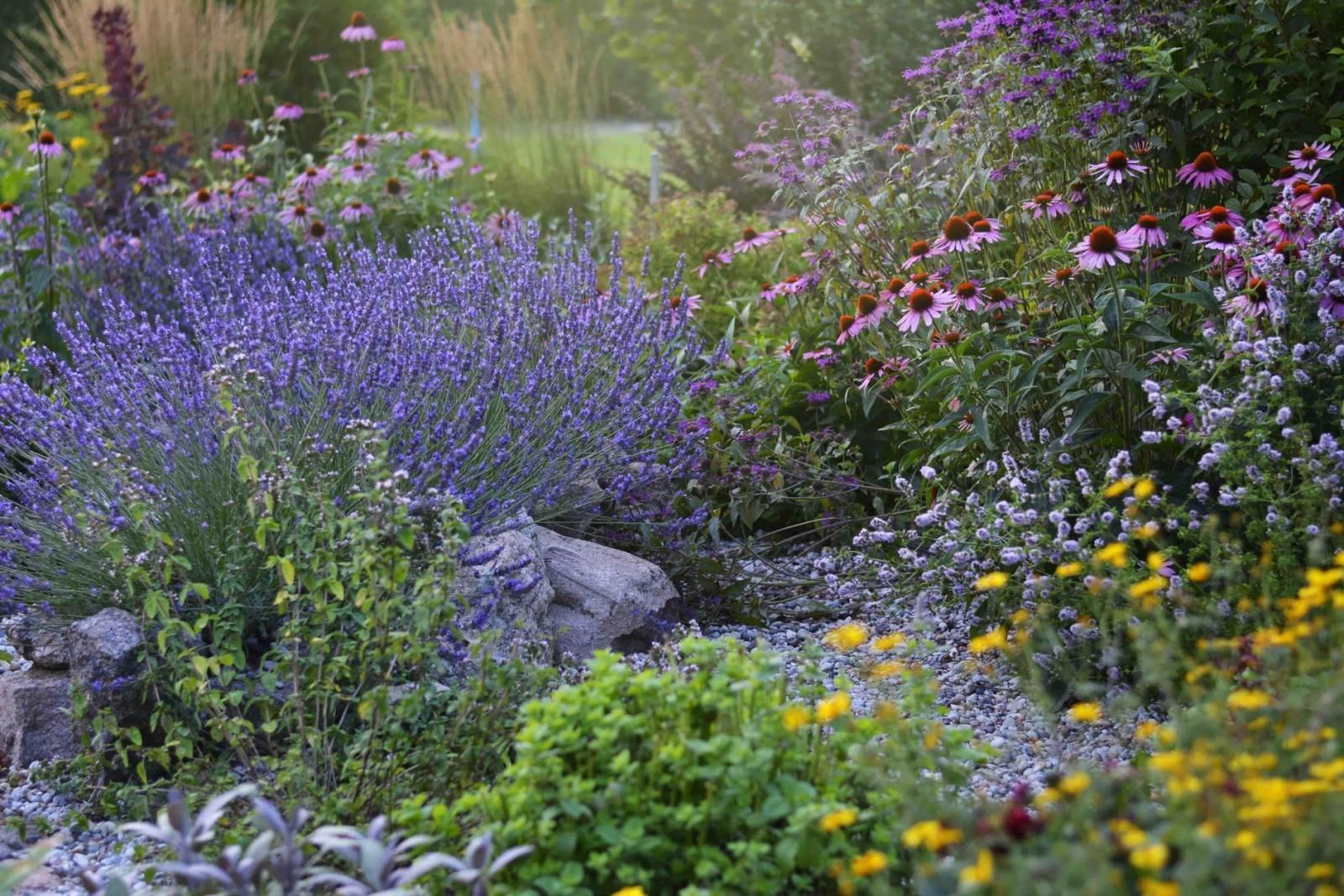
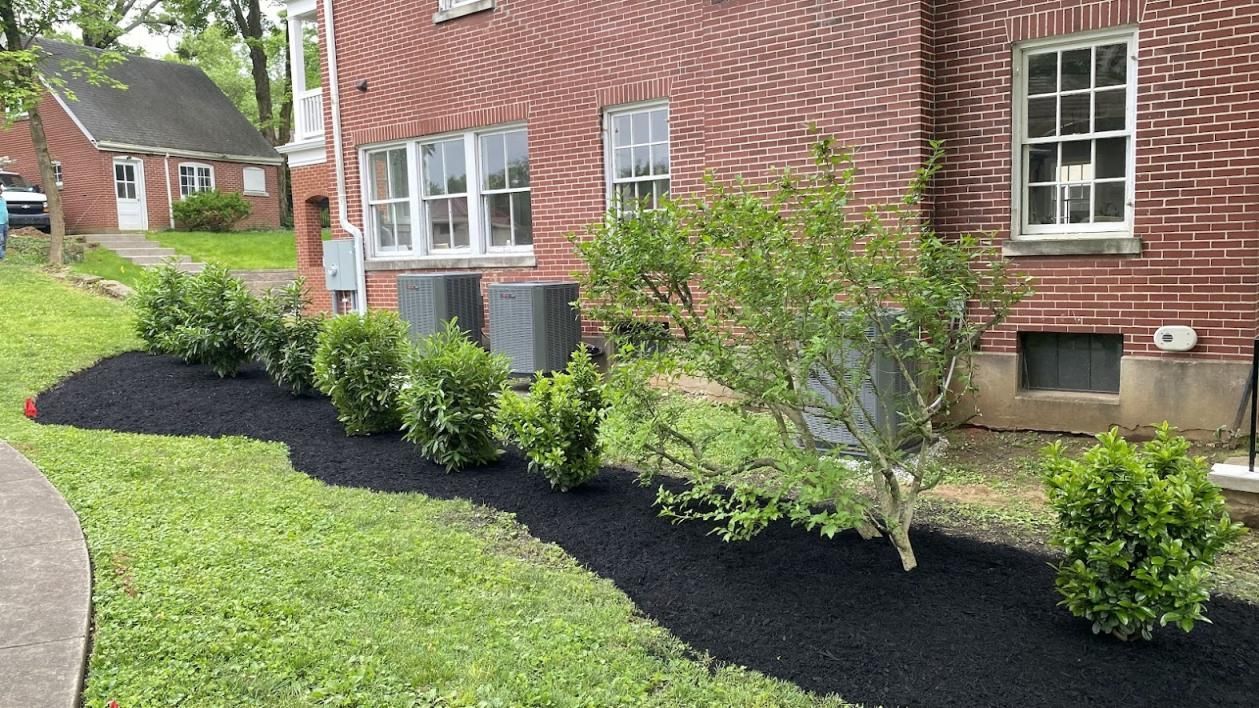
A lush Louisville backyard garden bed filled with purple coneflowers, black-eyed Susans, and native shrubs, wooden fence in the background, warm afternoon sunlight
Trees for Shade and Structure
Trees give a native garden its bones, setting the shade, scale, and backdrop for everything else.
- Eastern Redbud - Heart-shaped leaves and pink spring blooms on bare branches. Small enough for a front yard, and it tolerates part shade.
- Flowering Dogwood - Layered white spring flowers and red fall berries. Best in dappled shade with moist, well-drained soil.
- Tulip Poplar - A tall, fast grower for a large lot. Give it room; it becomes the canopy tree that shades a whole yard.
Shrubs for Screening and Color
Shrubs do the quiet work: screening a fence line, filling a corner, and feeding birds through winter.
- American Holly - Evergreen, glossy, and berry-heavy in winter. A female holly needs a male nearby to set fruit.
- Viburnum - White spring flowers, then berries that birds strip by fall. Several native types suit our area, and most handle part shade.
- Buttonbush - Loves wet ground, which makes it a fix for the soggy corner of a yard. Round white flower clusters feed pollinators.
- Summersweet - Fragrant late-summer blooms in shade or sun. One of the few shrubs that flowers well in a shady bed.
- Fothergilla - Bottlebrush-like spring flowers and blazing fall color. Compact enough for a foundation bed.
- Elderberry - Fast grower for a hedgerow, with flowers for pollinators and berries for birds and jam.
Perennials for Pollinators and Seasonal Interest
Perennials carry the garden from spring into fall and bring pollinators with them.
- Purple Coneflower - Tough, drought-tolerant, and long-blooming. Goldfinches work the seed heads in fall.
- Black-Eyed Susan - Bright yellow flowers from summer into early fall. It spreads, so give it space or plan to divide it.
- Wild Columbine - Early red-and-yellow blooms that hummingbirds find first. Happy in part shade and rocky soil.
For more examples of pollinator-focused native plantings, the Kentucky Native Plant Society pollinator garden winners showcases gardens built around these species.
Native Plants for Sun and Shade: Matching Plants to Your Yard
Matching a plant to its light is the difference between a garden that fills in and one that thins out.
Full sun (6+ hours): Purple Coneflower, Black-Eyed Susan, Buttonbush, Summersweet, Tulip Poplar.
Part shade (3-6 hours): Eastern Redbud, Flowering Dogwood, Viburnum, Fothergilla, Wild Columbine.
Full shade (under 3 hours): American Holly and Summersweet tolerate it best; most flowering perennials will sulk.
Soil matters just as much.
A Side-by-Side Look at the Main Picks
Most plant tags list mature size but not how fast a plant gets there or whether it holds leaves in January. That is what decides whether a screen works. The table below pulls those details together.
| Plant |
Light |
Mature Height x Width |
Growth Rate |
Evergreen? |
Screening Time |
|---|---|---|---|---|---|
| American Holly |
Sun to shade |
15-30 ft x 8-15 ft |
Slow to moderate |
Yes |
4-6 years to a solid screen |
| Eastern Redbud |
Sun to part shade |
20-30 ft x 25-35 ft |
Moderate |
No |
Structure, not screening |
| Flowering Dogwood |
Part shade |
20-25 ft x 20-25 ft |
Slow |
No |
Structure, not screening |
| Tulip Poplar |
Full sun |
70-90 ft x 30-40 ft |
Fast |
No |
Canopy shade |
| Viburnum (native types) |
Sun to part shade |
6-12 ft x 6-10 ft |
Moderate |
Mostly no |
3-5 years |
| Buttonbush |
Full sun |
6-12 ft x 6-12 ft |
Moderate |
No |
3-4 years |
| Summersweet |
Sun to shade |
4-8 ft x 4-8 ft |
Slow to moderate |
No |
4-6 years |
| Fothergilla |
Sun to part shade |
3-6 ft x 3-6 ft |
Slow |
No |
Border, not screening |
| Elderberry |
Full sun |
6-12 ft x 6-12 ft |
Fast |
No |
2-3 years |
A common pattern: homeowners want a screen in one season and buy the fastest grower on the shelf. Fast growers like Elderberry and Tulip Poplar put on height quickly but grow wide, drop leaves in fall, and need more room than most lots allow.
What Screens in Winter and What Does Not
A hedge that looks solid in July can be see-through by December.
- Year-round coverage: American Holly holds its leaves and its shape through winter. It is the only plant on this list that screens on its own in every season.
- Three-season coverage: Viburnum, Buttonbush, Summersweet, Fothergilla, and Elderberry leaf out in spring and drop in fall. They screen well from late spring through mid-autumn.
- Bare in winter: Eastern Redbud, Flowering Dogwood, and Tulip Poplar are structure trees. They frame a view and shade a bed, but they do not block sightlines in the dormant months.
For privacy from a neighbor's second-story window or a busy street, plan a mixed screen: American Holly as the evergreen backbone, with Viburnum and Summersweet in front for flowers and fall color. That gives you coverage every month and something interesting to look at in most of them.
Deer, Pests, and Disease
Browsing pressure varies block to block, heavier in wooded edges like Anchorage, Crestwood, and Pewee Valley than in tighter neighborhoods like the Highlands. A few patterns hold up:
- Usually left alone: American Holly, Summersweet, Fothergilla, and Buttonbush. Hollies have prickly leaves, and the others carry aromatic or bitter foliage deer tend to pass over.
- Often browsed: Eastern Redbud, Flowering Dogwood, and Viburnum, especially young plants and new growth in spring. Protect trunks and lower branches for the first few years.
- Watch for: Powdery mildew on Buttonbush in crowded, airless spots, and leaf spot on Viburnum in wet summers. Both are worse when plants are packed too tightly, which is one more reason to space for mature size rather than instant fullness.
A garden care specialist can walk your property and tell you which pressures you actually have, saving a lot of replanting.
Low-Maintenance Native Plants for Kentucky Gardens
Low-maintenance native plants for Kentucky gardens share one trait: they match the site they are planted in. Put the right plant in the right spot and upkeep drops to a spring cutback, a fall cleanup, and water through the first season or two.
The work happens at planting, not after. Amend the soil, space plants for mature size, and mulch to hold moisture. After that, these plants mostly look after themselves.
- Purple Coneflower and Black-Eyed Susan need no staking and little water once rooted.
- American Holly and Viburnum hold their shape with light pruning, not constant clipping.
- Fothergilla and Summersweet stay compact without shearing.
Native Garden Design: Planning Your Louisville Landscape
Native garden design starts with a plan, not a shopping trip. The layout, spacing, and soil prep decide whether the bed looks designed or accidental.
Here is how we approach a native bed, whether it is a narrow side yard in the Highlands or a wide open lot in Lake Forest:
- Map sun and water. Note where sun hits and where water pools after rain. Check the low corner after a heavy storm, not a light drizzle.
- Set the structure first. Choose trees and large shrubs, then fill around them.
- Layer by height. Tall plants at the back, mid-size in the middle, low growers at the front.
- Space for maturity. Read the mature size on the tag and plant to that, not to the seedling in front of you.
- Group in threes and fives. Odd-numbered clusters look natural; single plants look lost.
- Leave the seed heads. They feed birds in winter and add texture to a dormant bed.
Spacing a Native Screen Without Crowding It
The most common mistake we correct is planting too close for instant fullness. Native shrubs spread to their mature width, and a crowded bed invites disease and looks worse by year three.
- American Holly: plant 8-12 feet apart on center for a continuous evergreen screen. Closer than 8 feet and the lower branches shade each other out.
- Viburnum and Buttonbush: 6-8 feet apart. These are the mid-layer shrubs that fill the gaps between hollies.
- Summersweet and Fothergilla: 4-6 feet apart. They stay compact and work well as a front layer.
A simple rule: plant to the mature width, then subtract about 20 percent. That gives you a screen that closes in a few years without plants fighting for light and air.
A Planting Sequence That Works
Starting from bare ground, the order of operations matters as much as the plant list.
- Prep the soil first. Loosen the top 8-12 inches, mix in organic matter, and fix drainage in any spot that holds water. Buttonbush and Elderberry will thank you; most other natives will not tolerate a wet root zone.
- Set the evergreen backbone. Plant American Holly first. It is the slowest to establish and the one you want growing while everything else fills in.
- Add the mid-layer shrubs. Viburnum, Buttonbush, Summersweet, and Elderberry go in next, spaced to their mature width.
- Fill the front with perennials. Coneflower, Black-Eyed Susan, and Columbine go in last, where you can see them and where they get the light they need.
- Mulch, then water through the first season. Two to three inches of mulch, kept a few inches off the trunks. Water deeply once a week in the first summer, more in a dry stretch.
Timing and Local Site Notes
Fall is the best season to plant here. The soil stays warm, rain does more of the watering, and roots settle in before the heat returns. Spring works too, but it asks more of you in July.
A few site notes that come up again and again:
- Wooded lots (Anchorage, Crestwood, Pewee Valley): more shade, more deer pressure, and more root competition from existing trees. Plan for part-shade plants and protect young trunks.
- Open lots (Prospect, Lake Forest): more sun, more wind, and soil that dries out faster. Buttonbush and Elderberry still want the wet spots; everything else needs mulch and steady water the first year.
- Tighter neighborhoods (St. Matthews, the Highlands, Indian Hills): smaller beds, closer neighbors, and a premium on plants that stay compact. Fothergilla, Summersweet, and the perennials do the most work here.
If you would rather hand the whole project to a team, that is where we come in. You can see our approach to garden design and planting on our site.
Where to Find Native Plants in Louisville
Local nurseries and native-focused growers are the best source, because their plants are already suited to our climate. Ask what was grown locally, and check the tag for mature size and light needs before you buy.
A few places to start:
- Local native plant nurseries that grow for this region.
- Regional native plant sales and garden events in spring and fall.
- Cost-share programs that may help offset part of a native planting project.
If you would rather hand the whole project to a team, that is where we come in. You can see our approach to garden design and planting on our site.
Conclusion: Start Your Native Garden with Expert Help
A native garden rewards patience, but the first season decides how much work the next ten will take. The right plants, placed for mature size and matched to your sun and soil, turn a tired yard into something that gets better every year with less effort.
If you want that done right the first time, Bluegrass Gardening can help. We bring rooted knowledge, a long-term approach, and tailored design for the specific challenges of your property, from wet spots to overgrown beds.
Frequently Asked Questions
What are the best native plants for Louisville gardens?
Top choices include purple coneflower, black-eyed Susan, wild columbine, and native shrubs like oakleaf hydrangea and Virginia sweetspire. These plants thrive in local soil and climate, attract pollinators, and need little watering once established. For trees, consider eastern redbud or serviceberry. A local garden care specialist can help match plants to your yard's light and soil.
Which native plants work best in sunny garden beds?
Sun-loving natives like butterfly weed, purple coneflower, black-eyed Susan, and little bluestem grass perform well in full sun. They tolerate heat and dry spells, making them ideal for open, south-facing beds. Plant them in well-drained soil and water regularly the first season. These plants return year after year and support bees and butterflies.
Which native plants can grow in shady areas?
For shade, choose wild columbine, foamflower, wild ginger, and native shrubs like oakleaf hydrangea and Virginia sweetspire. These plants prefer moist, well-drained soil and tolerate low light. They add texture and color to woodland gardens or north-facing beds. Avoid full-sun plants in these spots, as they will struggle without enough light.
When is the best time to plant native plants in Kentucky?
Early spring or early fall is ideal for planting native plants in Kentucky. Cooler temperatures and regular rainfall help roots establish before summer heat or winter cold. Fall planting gives plants a head start before the next growing season. Water deeply after planting and keep the soil consistently moist for the first few weeks.
How can a landscape designer help with native plant selection?
A landscape designer or garden designer can assess your yard's light, soil, and drainage, then recommend native plants that will thrive in those conditions. They also plan spacing, layering, and seasonal interest so your garden looks good year-round. Many landscapers Louisville KY offer native plant consultations and installation. Professional help saves time and prevents costly plant mistakes.
News & Articles
Browse Our Newsletter
Get Started Today
Your Landscape Deserves Someone Who Understands It
Whether you're planning a full garden renovation, a seasonal reset, or a smarter planting plan for your front yard, we're ready to help. Get in touch today, and let's talk about what your property needs.