
Bluegrass Gardening
Table of Contents
- Why Sustainable Landscaping Works in Small Yards
- Small Backyard Landscape Design Tips for Odd Shapes and Tight Spaces
- Native Plants for Small Gardens: Choosing by Sun, Soil, and Light
- Step-by-Step: Building Your Sustainable Small Yard Plan
- Small Backyard Privacy Landscaping Without a Big Footprint
- Low-Maintenance Garden Design That Still Looks Intentional
- Common Mistakes to Avoid in Small-Yard Sustainable Landscaping
- Conclusion: Start Small, Think Long-Term
- Frequently Asked Questions
Last Updated: October 14, 2026
Why Sustainable Landscaping Works in Small Yards
Sustainable landscaping is the practice of designing a yard so it needs less water, fewer chemical inputs, and less ongoing work while still looking intentional. For small yards, that approach fits better than it does on large lots, because every square foot can be planned rather than left to chance.
This guide from Bluegrass Gardening covers how homeowners in Anchorage, Middletown, St. Matthews, Prospect, and the Highlands can plan a small yard that holds up over time.
Small spaces hide problems well. A single wet low spot, one shaded corner, or a poorly placed shrub can dominate an entire yard. Fix those first and the rest of the design falls into place.
Small Backyard Landscape Design Tips for Odd Shapes and Tight Spaces
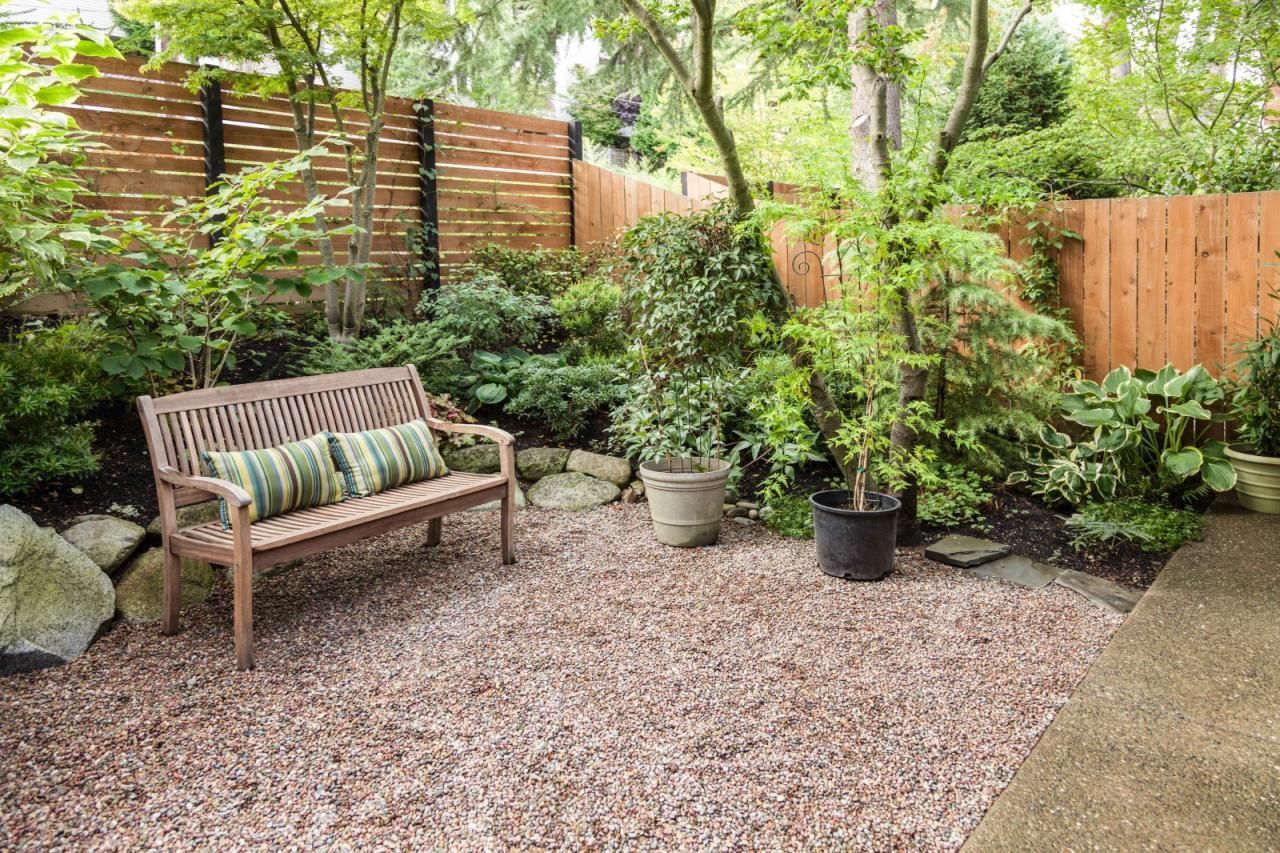
Odd shapes are an advantage, not a problem. A narrow side yard, an L-shaped lot, or a wedge behind a garage gives you natural rooms that a plain rectangle never provides.
A landscaper and homeowner standing in a compact, oddly shaped backyard, pointing at a hand-drawn layout on a clipboard while measuring tape and a few potted native plants sit nearby
Measure First, Then Zone Your Space
Walk the yard with a tape measure and note the width at three or four points along each fence line. Most small-yard mistakes start with a guess about how much room is actually there.
Then divide the space into zones: a sitting area, a path, and planted beds. Even a small backyard can hold all three if you keep the path narrow and let the beds curve.
Reuse What You Already Have
Existing brick, stone, or concrete can often be reset rather than replaced. A garden designer can work around a mature tree or an old walkway and save both money and disruption.
Native Plants for Small Gardens: Choosing by Sun, Soil, and Light
Native plants and locally adapted species are the backbone of a small sustainable yard. They evolved for local rainfall and soil, so once their roots are established they usually need less watering and fewer inputs than ornamentals bred for other climates. In a small yard that matters more, because every struggling plant is visible and every replacement costs space you cannot get back.
Start With Sun Hours, Not Plant Names
Before you shop, spend one day watching each bed and write down roughly how many hours of direct sun it gets. A simple split works well:
- Full sun: 6 or more hours of direct sun, including the hot afternoon stretch.
- Part sun: 3 to 6 hours, often morning sun with afternoon shade.
- Shade: fewer than 3 hours, or dappled light all day under a mature tree.
Morning sun and afternoon shade suit different plants than full afternoon exposure. A bed that bakes from noon to 5 p.m. will scorch plants that would thrive in the same yard on the east side of the house. This is the single most common reason a "native plant" fails in a small yard.
Read Your Soil and Drainage
Dig a hole about 12 inches deep and wide, fill it with water, and see how long it takes to drain.
Then check texture by squeezing a handful of moist soil. Soil that ribbons like putty holds water and needs plants that tolerate wet feet.
A garden care specialist can read those conditions in a single visit and suggest plants that will actually thrive rather than struggle.
Compact Native Combinations That Work in Small Beds
In a small yard, you want plants that earn their space. A workable pattern is three layers in a bed as narrow as 4 to 6 feet deep:
- Ground layer: low, spreading perennials that knit together and shade the soil.
- Mid layer: flowering perennials and compact shrubs, roughly 2 to 4 feet tall.
- Top layer: one small tree or upright shrub for height and screening.
Examples of natives and locally adapted species commonly used in this region include coneflower, black-eyed Susan, bee balm, switchgrass, oakleaf hydrangea, and serviceberry. These are widely available at regional nurseries and are known for supporting pollinators and birds. Your exact list should follow your sun and drainage readings, not a generic chart.
Layer for Year-Round Interest
Use the three layers above so something is in leaf, bloom, or berry across the seasons. Spring bloomers, summer perennials, and shrubs with fall color or winter structure keep a small yard from looking bare for half the year.
Pollinator-friendly planting fits naturally here. Perennials and flowering shrubs that support butterflies and bees also tend to be lower maintenance than annuals that must be replaced each year.
If plant selection feels overwhelming, a landscape designer or garden designer can build a plant list tied to your specific beds, so you buy once and plant once instead of replacing mistakes season after season.
Step-by-Step: Building Your Sustainable Small Yard Plan
A small-yard plan works best when you build it in stages instead of trying to finish everything at once. The steps below also give you a way to measure whether the yard is actually getting more sustainable, which most guides skip.
Step 1: Map Sun, Water, and Soil
Sketch the yard on graph paper and mark sun exposure, wet spots, and soil type in each area. Note where water pools after a heavy rain and where the ground stays dry. This map drives every plant and material decision that follows, and it becomes your reference for years.
Step 2: Set a Phased Plan and Material List
Break the project into phases: drainage and soil first, planting second, hardscaping last. Pricing for design and installation depends on the size of the space and the materials you choose, so ask your landscape designer for a written scope before work begins. A phased plan lets you spread the work across seasons instead of committing to everything at once.
| Phase |
What Happens |
Why It Comes in This Order |
|---|---|---|
| 1. Site prep |
Drainage fixes, soil improvement |
Plants fail in bad soil or standing water |
| 2. Planting |
Trees, shrubs, perennials, ground cover |
Beds need settled, amended soil |
| 3. Hardscaping |
Paths, patios, edging |
Protects new plantings from foot traffic |
| 4. Finishing |
Mulch, lighting, final touches |
Ties the space together |
Step 3: Install in Stages and Track Water Use
Water new plantings deeply and less often to encourage deep roots. A simple hose timer or a check of the soil by hand each week tells you more than a fixed schedule.
To actually measure water savings, pick one method and stay with it:
- Run-time log: write down how many minutes you run each zone or hose station per week.
- Soil check: push a finger or trowel two inches down before watering. Damp soil means wait.
- Seasonal comparison: compare your weekly run-time in spring versus late summer once plants are established.
Most practitioners find that established native and locally adapted plantings need noticeably less supplemental water by their second or third season, but the only number that matters is your own log.
Step 4: Measure What You Changed
Sustainability claims are easy to make and hard to verify. Pick two or three simple measures and track them once a season:
- Bed area converted: how many square feet moved from bare soil or thin turf to planted beds.
- Water run-time: total minutes per week from your log above.
- Pollinator activity: a five-minute count of bees and butterflies in the yard on a warm, still afternoon.
None of these require special tools. Together they turn "my yard is more sustainable" into something you can actually see change over time, and they help a garden designer or landscaper adjust the plan if a bed is underperforming.
Small Backyard Privacy Landscaping Without a Big Footprint
Privacy in a small yard comes from height and layering, not from a solid wall of plants.
Use a mix: an upright shrub or small tree for height, a mid-layer of dense evergreens, and ground cover to fill the base.
For tight spaces, an espalier or a green wall trained against a fence adds screening in very little ground space.
Low-Maintenance Garden Design That Still Looks Intentional
Low-maintenance garden design means fewer tasks, not an untended look. The trick is structure: clear bed edges, repeated plant groupings, and a simple material palette.
Repeat the same three or four plant types in groups rather than one of everything.
Ground cover does most of the heavy lifting in a low-maintenance yard. It fills bare soil, holds moisture, and slows erosion on slopes.
Common Mistakes to Avoid in Small-Yard Sustainable Landscaping
The biggest mistake is skipping drainage work because it is invisible. Plants set into a wet spot will keep failing no matter how good the design looks on paper.
Other common errors:
- Choosing plants for the size they are now instead of their mature size
- Planting one of everything, which looks busy and is harder to maintain
- Ignoring how much sun each bed actually receives
Conclusion: Start Small, Think Long-Term
A sustainable small yard is built in layers over time, not in a single weekend. Start with drainage and soil, choose plants that match your conditions, and let the design grow into itself.
At Bluegrass Gardening, we handle landscape renovation, custom planting, and hardscaping for homeowners across the Louisville area, from Prospect to Pewee Valley.
Contact Us to schedule a consultation and get a plan built for your space.
Frequently Asked Questions
How do you plan a sustainable small backyard landscape design?
Start by mapping sun, water, and soil across your yard, then group plants by those conditions. Choose native plants for small gardens that fit your light levels, and replace thirsty ground with drought-tolerant perennials, ground cover, and flowering shrubs. Add a rain garden or simple stormwater feature to manage runoff, reuse existing stone or wood, and phase the work so each stage stands on its own. A local garden designer or landscape designer can help you match the plan to your space.
Which plants work well in small yards in Louisville?
Look for native and locally adapted plants that handle Louisville's humid summers and clay-heavy soils. Good choices include coneflower, black-eyed Susan, switchgrass, oakleaf hydrangea, and native ferns. These support pollinators like butterflies, need less water once established, and stay manageable in tight beds. A garden care specialist can confirm which varieties suit your specific sun and soil before you plant.
How can you make a small backyard feel more private?
Use layered plantings instead of one tall screen. Combine flowering shrubs, small ornamental trees, and ground cover to build depth along the property line. Add a pergola or low fence where you need structure, and place seating where existing plants already block sightlines. This approach gives you small backyard privacy landscaping that looks natural and needs less trimming than a single hedge.
How can you make a small yard easier to maintain?
Group plants with similar water and light needs so you can water and prune in fewer passes. Choose low-maintenance garden design elements like ground cover instead of bare mulch, and set up drip irrigation with a simple timer so you can track water use. Reduce lawn area where it serves no purpose, keep paths wide enough to move a wheelbarrow, and plan seasonal upkeep with a local gardener or landscaping company.
A small yard with a real plan can be lower maintenance, better looking, and easier to live with than a large one. Bluegrass Gardening offers garden design, planting, and seasonal landscape maintenance tailored to Louisville homes. Get started with Bluegrass Gardening and turn your small yard into a space that works for the long run.
News & Articles
Browse Our Newsletter

Get Started Today
Your Landscape Deserves Someone Who Understands It
Whether you're planning a full garden renovation, a seasonal reset, or a smarter planting plan for your front yard, we're ready to help. Get in touch today, and let's talk about what your property needs.