
Bluegrass Gardening
Table of Contents
- Start With a Plan: Measure Your Privacy Screening Needs
- Small Backyard Privacy Ideas That Keep the Space Open
- Privacy Plants for Small Yards: Choosing the Right Size and Shape
- When a Wood Privacy Fence for a Backyard Makes Sense
- Living Plants or a Built Fence? Comparing the Two
- How to Install Privacy Screening in a Tight Space
- Frequently Asked Questions
Last Updated: October 12, 2026
Start With a Plan: Measure Your Privacy Screening Needs
Privacy screening for small yards starts with a tape measure, not a shopping cart. At Bluegrass Gardening, we tell homeowners in the Highlands, St. Matthews, and Anchorage the same thing: walk your yard when you actually use it, then measure what you need to block.
Here is a simple way to plan before you spend a dollar:
- Stand at your patio, deck, or seating area and look outward
- Note every spot where a neighbor's window, driveway, or upper floor looks in
- Measure the width of each open sightline in feet
A screen that covers the wrong ten feet of fence line does nothing. The right ten feet changes how the whole yard feels.
Walk the Yard and Mark the Sightlines
Walk your property at three different times: morning, late afternoon, and evening. Light and foot traffic shift through the day, and so do the views you need to block.
Bring a notepad and mark each problem spot:
- Neighbor windows that face your patio or kitchen
- Gaps between existing plants where the yard next door shows through
- Low spots where a slope lets a neighbor see over your current fence
Mark these on a simple sketch. That sketch becomes your shopping list.
Measure the Viewing Angle, Not Just the Width
A sightline is a triangle, not a line. The person looking in sits at one corner, your seating area at another, and the open gap between them is the base you need to cover.
Here is how to measure it in about ten minutes:
- Stand where you sit most often and face the view you want to block.
- Have someone stand at the neighbor's window or the open gap and hold a bright towel or jacket.
- Note the left and right edges of that gap as you see it from your seat.
- Measure the distance in feet between those edges along your fence line or planting bed.
- Measure the distance from your seat to that line.
Those two numbers tell you the width to cover and how far away the screen sits. A gap that looks narrow from your kitchen can be surprisingly wide from the patio, so measure both spots before you buy.
Set Your Height Target With a Simple Test
Height is the number most homeowners get wrong. A six-foot fence blocks a standing neighbor but not a second-story window.
Use this test:
- Have a helper stand at the sightline you want to block.
- Hold a broom handle or long stake at the planned screen location.
- Raise it until your helper's head or window disappears from your view at your normal seated height.
- Mark that point and measure from the ground up.
That measurement is your minimum height. Add six to twelve inches of buffer so the screen still works when plants grow unevenly or the ground settles.
Measure Width, Setback, and Access Before You Choose
Three more numbers shape what will actually fit:
- Available width. Measure the full run along the property line, then subtract any gates, downspouts, or utility boxes you cannot block.
- Setback. Measure from the property line to where the screen can legally and practically sit. Local rules often require a set distance, and plants need root room behind the line.
- Access. Measure the narrowest point a wheelbarrow, post, or root ball must pass through. A side yard under three feet wide rules out most built options and many wide shrubs.
Sketch these on your yard drawing. When width, height, setback, and access sit side by side, the right option usually picks itself.
Check Property Lines and Local Rules Before You Dig
Before any digging or building, confirm where your property line actually sits.
Then check your local rules. Many cities limit fence height, set how far a fence must sit from the property line, and require permits for certain structures.
A quick call to your city's planning office saves real money later. So does a friendly conversation with the neighbor whose view you are about to block.
Small Backyard Privacy Ideas That Keep the Space Open
The best small backyard privacy ideas add height without eating floor space.
Here is what works in small, oddly shaped yards:
- Tall narrow evergreens planted in a single row along the property line
- A wood privacy fence on the side that gets the most traffic
- Layered planting with tall shrubs behind shorter ones for depth
- A raised planting bed that doubles as a low wall
- A mix of fence and plants so the yard does not feel boxed in
The goal is coverage, not a wall on all four sides. Block the two or three sightlines that actually bother you and leave the rest open.
For homes in Prospect or Lake Forest with larger lots, the same logic applies, just with more room to stagger the planting.
Privacy Plants for Small Yards: Choosing the Right Size and Shape
Privacy plants for small yards should be tall and narrow, not wide and spreading. A plant that grows eight feet wide will swallow a small yard within a few seasons.
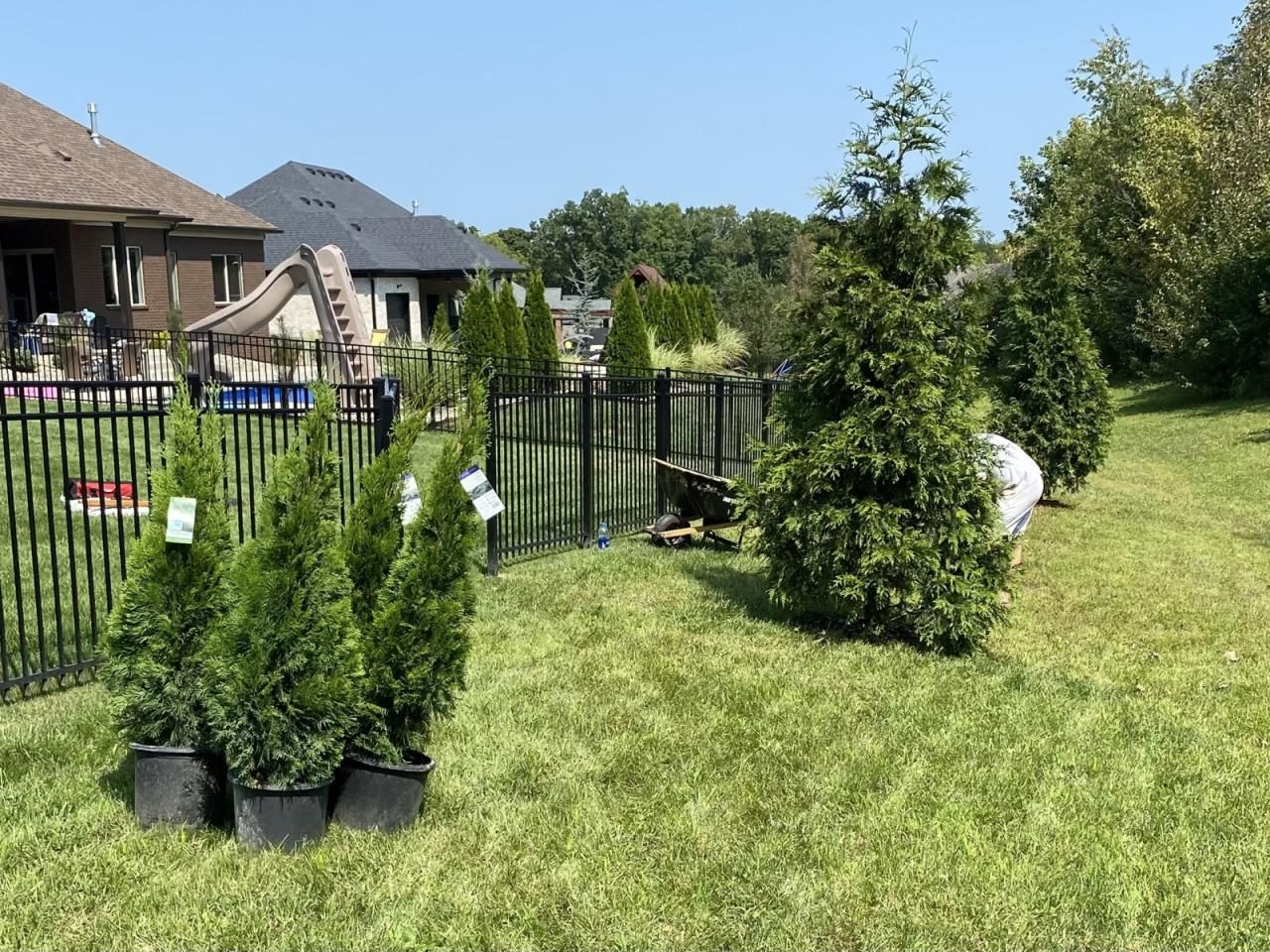
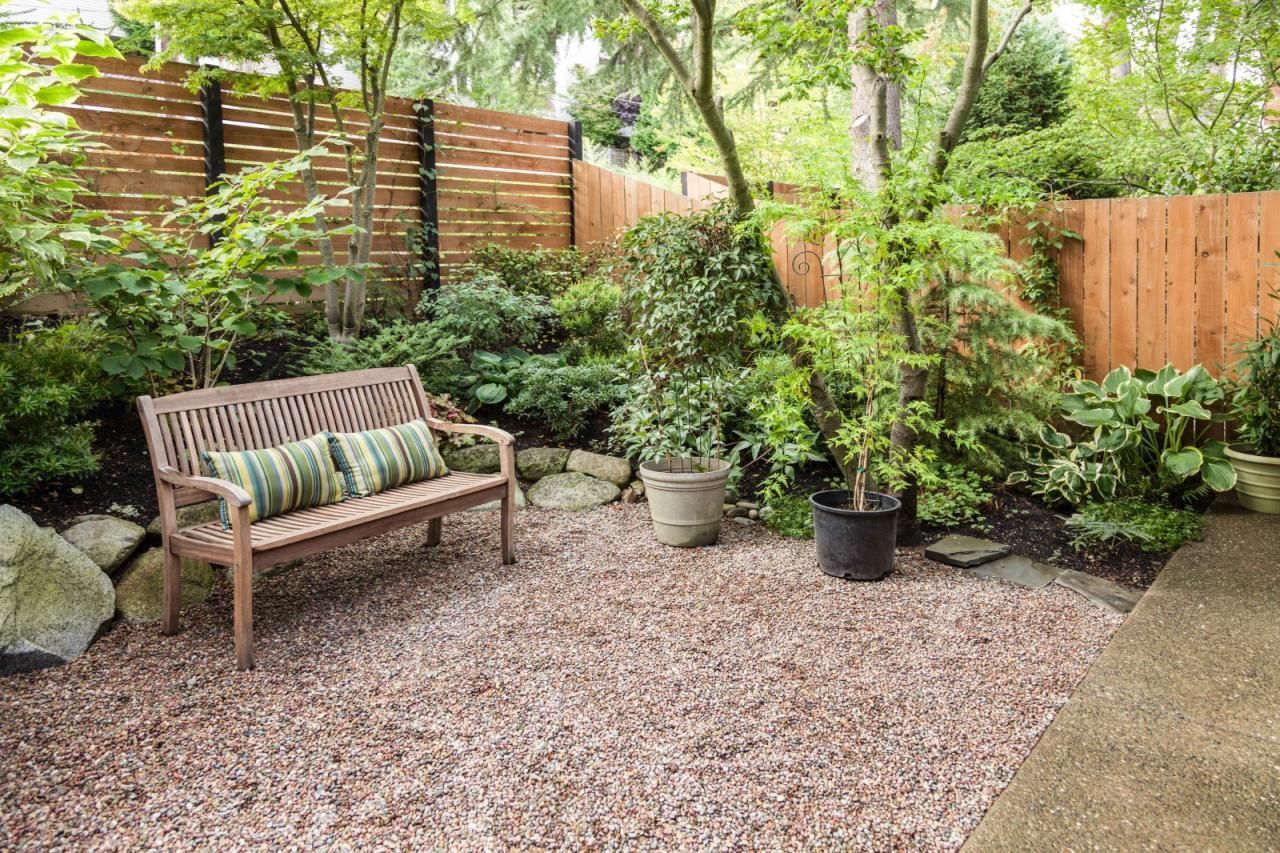
A narrow residential backyard with a staggered row of tall evergreen shrubs along the property line, showing how layered planting creates privacy without crowding the patio space
Match the plant to the space before you buy:
| Plant Type |
Shape |
Best For |
Watch Out For |
|---|---|---|---|
| Columnar evergreen |
Tall, narrow |
Tight side yards |
Slow to fill in |
| Upright shrub |
Medium width |
Mixed borders |
Needs shaping |
| Dense hedge |
Full, wide |
Longer fence lines |
Takes ground space |
| Small ornamental tree |
Canopy up high |
Blocking upper windows |
Shade below |
Check the mature height and mature width on the plant tag, not the size in the pot.
Read the Tag Like a Planner
Every plant tag carries four numbers that decide whether it fits your yard:
- Mature height. How tall it gets in ten to twenty years, not next spring.
- Mature width. The spread at the widest point. This is the number that crowds a small yard.
- Growth rate. Slow, moderate, or fast. Fast means more pruning; slow means more patience.
A common pattern is to buy for the pot and plant for the tag. That is how a tidy row of shrubs becomes an overgrown hedge in five years.
A Short List That Fits Small Yards
These plant types are widely used for narrow screening because they stay upright instead of spreading. Exact mature sizes vary by cultivar and growing conditions, so confirm the tag for the specific plant you buy.
- Columnar evergreens. Tall and narrow, often maturing in the ten- to twenty-foot range with a width of two to four feet. Good for tight side yards. Most need full sun and steady moisture for the first two seasons.
- Upright shrubs. Medium width, often four to six feet wide at maturity. Useful for mixed borders where you want some softness. Many need annual shaping to stay narrow.
- Dense hedges. Full and wide, often six feet or more across. Best for longer fence lines where you have room to give. They take ground space but block views completely once mature.
Sun, Water, and Soil Come First
A plant that needs full sun will struggle in a shady side yard, no matter how well you space it. Before you choose a species, check three things:
- Sun. How many hours of direct light does the spot get in summer? Morning sun and afternoon shade is a very different site from all-day sun.
- Water. Is the spot near a downspout, a low corner, or a dry slope? Wet feet kill more evergreens than cold does.
- Soil. Heavy clay holds water; sandy soil drains fast. Both can be improved, but the plant you pick should match what you have.
A simple soil test from a garden center tells you the pH and drainage. It takes a few minutes and prevents a lot of replanting.
Roots, Toxicity, and Utility Lines
Two cautions matter in small yards more than anywhere else:
- Aggressive roots. Some fast-spreading plants send roots that lift paving, crack foundations, or invade sewer lines. Keep these well away from driveways, patios, and buried utilities.
- Toxicity. Some common screening plants have leaves, berries, or sap that are harmful to pets or small children. If your yard is used by either, check before you plant.
Also call 811 before you dig. Utility lines run closer to the surface than most homeowners expect, and planting over them is risky and, in many places, restricted.
Plan for the Mature Size, Not the Sale Size
Use this rule of thumb: space plants so their mature widths just touch, not overlap. In a small yard, that means fewer plants set farther apart, with a fence or a low wall filling the gaps until they grow in.
When a Wood Privacy Fence for a Backyard Makes Sense
A wood privacy fence for a backyard makes sense when you need coverage now, not in five years. Plants take time to fill in.
Choose a fence when:
- You need privacy this season, not next
- The sightline runs along a straight property line
- You want a clear boundary you can see and maintain
Wood also fits the look of most yards in older neighborhoods like the Highlands, where a solid fence reads as part of the property rather than an add-on.
The trade-offs are real. Wood needs staining and repair over time, and it casts shade that makes the ground beside it harder to plant.
Living Plants or a Built Fence? Comparing the Two
Living plants and built fences solve the same problem in different ways. Neither is better in every yard. The right pick depends on how fast you need coverage, how much ground you can give up, and how much upkeep you want.
| Factor |
Living Plants |
Wood Fence |
|---|---|---|
| Time to full privacy |
Several seasons |
Immediate |
| Ground space used |
Moderate to wide |
Narrow strip |
| Upkeep |
Pruning, watering |
Staining, repairs |
| Look |
Natural, soft |
Solid, defined |
| Best for |
Long-term screening |
Quick, full coverage |
A common approach is to combine both: a fence for the sightline you need blocked now, and planting along it to soften the look and fill gaps over time.
How to Install Privacy Screening in a Tight Space
Installing screening in a tight space comes down to access and anchoring.
For a wood fence in a narrow side yard:
- Mark the post line with string and confirm the property line
- Call 811 before you dig so utility lines get marked
- Dig post holes and set posts in concrete
- Check each post for plumb before the concrete sets
- Attach rails and pickets, leaving a small gap at the bottom for airflow
- Seal or stain the wood once it dries
For planting in a tight space, dig a bed wide enough for the mature root spread, not just the pot.
Wind matters more than most people expect. A solid fence in an open yard takes real force during a storm. Set posts deep and brace the end posts.
If the layout, drainage, or plant choices feel like more than a weekend project, that is where our garden design and planting work comes in. We plan the whole yard so the screening fits the space instead of fighting it.
Frequently Asked Questions
How can I add privacy to a small backyard without making it feel cramped?
Keep the footprint narrow and the height deliberate. A staggered row of tall, slender evergreens or a single well-placed tree can block a sightline without eating floor space. Leave gaps at eye level so light and air still move through. In practice, one carefully placed planting often does more for privacy screening than a solid wall of greenery around the whole yard.
What plants provide privacy in a small yard?
Look for upright evergreens and columnar shrubs that grow tall rather than wide. Hollies, arborvitae, and upright junipers are common choices because they hold their shape and stay green year-round. Always check the mature height and width on the plant tag before buying, not the size in the nursery pot. A plant that looks small today can swallow a narrow border in a few seasons.
How tall should a backyard privacy fence be?
Height depends on what you are screening and where you live. Many homeowners find that a fence tall enough to block a neighbor's window view also needs a permit or has a local height limit. Check your city or county rules and any homeowner association guidelines before ordering materials. A landscaping professional can help you match fence height to the actual sightlines you are trying to block.
Can trees and shrubs provide privacy year-round?
Evergreens can, deciduous plants cannot. Broadleaf and needled evergreens keep their foliage through winter, so they screen views in every season. Deciduous trees and shrubs drop their leaves and leave gaps for several months. If year-round coverage matters, build the main screen from evergreens and use deciduous plants only as a seasonal accent layer.
A small yard does not have to feel exposed. The trick is measuring what you need to block, then choosing plants or a fence that fit the space you have. Bluegrass Gardening designs and installs privacy planting and fencing for homeowners across Louisville, with custom planting plans, landscape installation, and seasonal upkeep that keeps the screen looking full year after year. Contact us to walk your yard and map out a privacy plan that fits.
News & Articles
Browse Our Newsletter

Get Started Today
Your Landscape Deserves Someone Who Understands It
Whether you're planning a full garden renovation, a seasonal reset, or a smarter planting plan for your front yard, we're ready to help. Get in touch today, and let's talk about what your property needs.