
Table of Contents
- Why Tree Trimming Matters for Your Landscape
- Best Time to Trim Trees: Seasonal Guidelines
- Tree Pruning Techniques That Protect Tree Health
- Safety Precautions and Essential Tools
- Benefits of Professional Tree Trimming
- How Often Should Your Trees Be Trimmed
- Post-Trimming Care and Tree Recovery
- When to Call a Professional Arborist
- Frequently Asked Questions
Last Updated: October 2, 2026
Why Tree Trimming Matters for Your Landscape
Regular tree trimming removes dead wood, shapes growth, and prevents disease from spreading through your yard. A single pruning session can transform both the health and appearance of your landscape.
Overgrown or diseased branches drain resources and create safety hazards. Dense canopies trap moisture that encourages fungal infections. Proper tree trimming improves air circulation, strengthens structure, and encourages vigorous new growth.
Well-maintained trees enhance curb appeal, increase privacy, and live longer with fewer emergency removals.
Best Time to Trim Trees: Seasonal Guidelines
Early Spring and Late Fall: The Ideal Windows
Early spring (late February through March) and late fall (November through early December) are optimal for most tree trimming work.
During dormancy, trees experience less stress from cuts and wounds close faster. Late fall trimming removes dead and diseased branches before winter storms, reducing breakage risk.
Spring trimming removes winter damage and shapes trees before growth accelerates.
Dormant Pruning vs. Growing Season Work
Dormant pruning is the gold standard for major structural work, minimizing sap loss and disease transmission.
Light summer pruning removes crossing branches and improves light penetration, but heavy pruning during active growth stresses the tree. Keep summer work minimal, removing only dead or hazardous branches.
Tree Pruning Techniques That Protect Tree Health
Identifying Dead and Diseased Branches
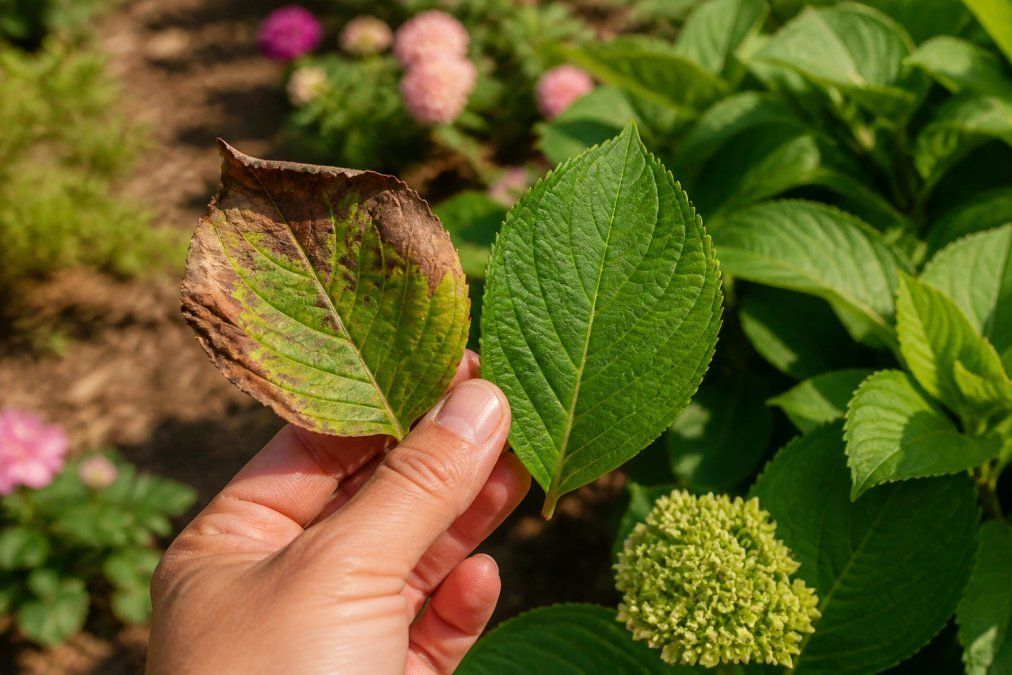
Dead wood is gray, brittle, and snaps easily. Diseased branches show cankers (sunken patches), oozing sap, or leaf out much later than others.
Scratch the bark with your fingernail, living wood shows green underneath; dead wood is brown or gray. Downward-hanging or crossing branches trap moisture and reduce air circulation.
Remove diseased branches back to healthy wood, cutting at least 6 inches below the visible infection. Sterilize your tools between cuts with a 10% bleach solution to avoid spreading disease to other parts of the tree or to neighboring trees.
Structural Pruning and Crown Thinning
Structural pruning removes competing leaders and weak branch angles. Cut back branches forming angles less than 45 degrees to the trunk.
Crown thinning removes internal branches and deadwood to improve light penetration and air circulation. Remove no more than 25% of live canopy in one season.
Maintain the tree's natural form while removing crossing branches. Avoid "topping," which creates weak shoots prone to splitting.
The Proper Cut: Angle and Branch Collar
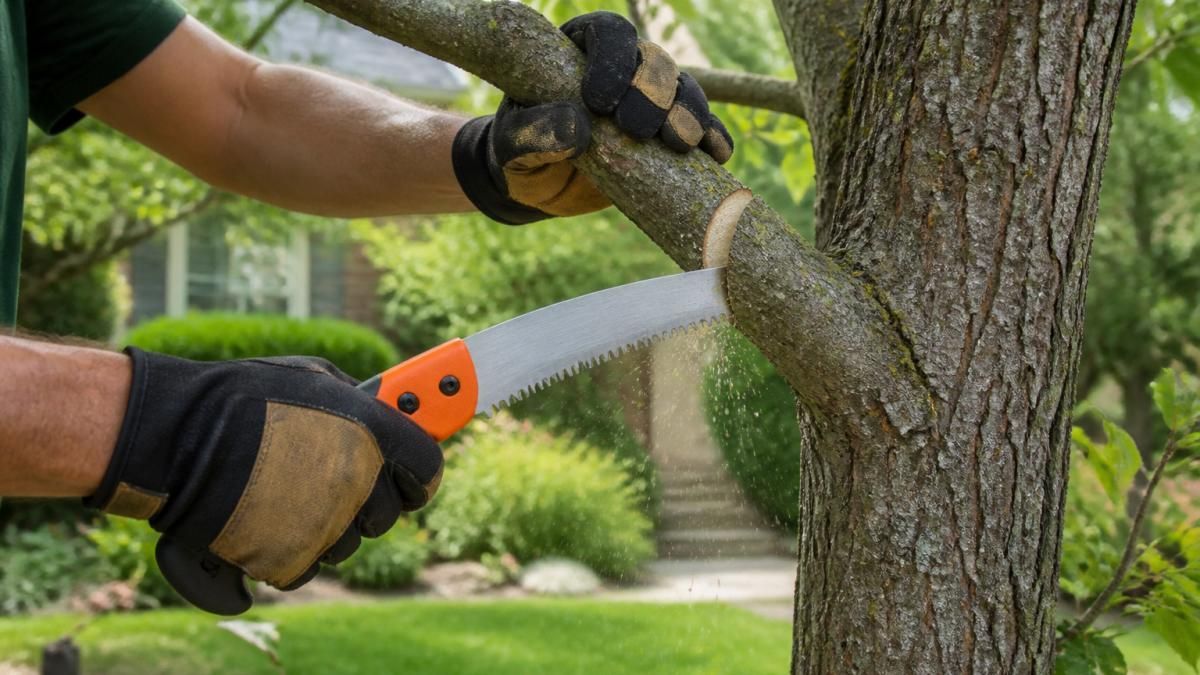
Cut just outside the branch collar (the swollen area where branch meets trunk), which contains cells that compartmentalize the wound and prevent decay.
Cut at a 45-degree angle, sloping away from the trunk, roughly 1/4 inch outside the branch collar. Never cut flush or leave a stub.
For branches larger than 1 inch in diameter, use the three-cut method. Make the first cut on the underside of the branch, about 12 inches from the trunk, cutting halfway through. Make the second cut on the top side, a few inches further out, cutting all the way through. The branch will fall cleanly. Finally, cut the remaining stub just outside the branch collar using proper angle and technique.
Safety Precautions and Essential Tools
Tree trimming involves working at heights and handling sharp tools. Wear safety glasses to protect against flying debris, and use cut-resistant gloves to prevent hand injuries. If you're working on a ladder, ensure it's stable and positioned at least 3 feet from the tree. Never lean sideways from a ladder, reposition it instead.
Essential tools include hand pruners for branches under 1/2 inch, loppers for branches up to 1 1/2 inches, and a pruning saw for larger wood. A pole pruner extends your reach and keeps you safer by allowing you to work from the ground on higher branches. Keep all tools sharp; dull blades require more force and are more likely to slip.
For branches higher than 15 feet or work near power lines, call a professional. Tree trimming at height requires specialized equipment and training. An ISA-certified arborist carries liability insurance and knows how to work safely in challenging situations.
Benefits of Professional Tree Trimming
Professional arborists bring expertise that goes beyond basic pruning. They can identify disease and pest problems you might miss, assess structural integrity, and recommend treatments before trees become hazardous. An ISA-certified arborist has completed rigorous training in tree biology, safety, and best practices.
When you hire a professional, you're investing in your trees' long-term health. Bluegrass Gardening's team understands the unique growing conditions in this region and can tailor our approach to your property's needs, integrating tree care into a broader seasonal landscape maintenance plan.
Professional tree trimming also saves time and reduces injury risk. Climbing a ladder with a chainsaw is dangerous. A professional has the equipment, experience, and insurance to handle the job safely and efficiently.
How Often Should Your Trees Be Trimmed
Trimming frequency depends heavily on tree species, age, health, and your landscape goals. Rather than a one-size-fits-all answer, understanding your specific trees helps you plan maintenance more effectively.
Frequency by Tree Type
Deciduous shade trees (Oak, Maple, Ash) typically need trimming every 3 to 5 years once mature. These trees grow slowly and develop strong natural structure. Young oaks and maples benefit from annual pruning in their first 3 to 5 years to establish a single strong leader and remove competing branches. Mature specimens can go 5 to 7 years between trimmings if they're healthy.
Fast-growing trees (Willow, Poplar, Birch) require annual or biennial trimming to maintain shape and prevent weak branch angles. These species naturally produce dense growth and competing leaders, so regular attention prevents structural problems. Without consistent pruning, fast growers become overgrown and prone to storm damage.
Fruit and ornamental trees (Apple, Crabapple, Dogwood, Redbud) need annual pruning during dormancy to maintain productivity and appearance. Fruit trees especially benefit from consistent structure pruning to improve light penetration and air circulation, which directly affects fruit quality and disease resistance. Ornamental varieties are pruned to enhance their natural form and flowering.
Evergreens (Spruce, Fir, Pine) generally need less frequent trimming, every 5 to 7 years for mature trees.
Age-Based Trimming Schedules
Young trees (under 5 years) establish their framework during early years. Annual or biennial pruning during dormancy removes crossing branches, competing leaders, and weak angles. This investment in early structure prevents major corrective work later and creates trees that are naturally stronger and more attractive.
Adjusting for Health and Environment
Trees stressed by drought, poor soil, or pest pressure may need more frequent light pruning to remove dead wood and improve air circulation. Conversely, a healthy, well-maintained tree in ideal growing conditions can go longer between trimmings. If you notice dead branches, crossing limbs, or dense interior growth, don't wait for your scheduled trimming, address these issues promptly.
Post-Trimming Care and Tree Recovery
After trimming, your tree needs time to heal. Don't apply wound dressing or pruning sealer, research shows these products don't speed healing and may trap moisture that promotes decay. The tree's own compartmentalization process is more effective than any product you can apply.
When to Call a Professional Arborist
Some tree trimming jobs require professional expertise for safety, legal, or technical reasons. Understanding when to hire an arborist protects both your property and your liability.
Safety-Based Reasons to Hire a Professional
If branches are higher than 15 feet, near power lines, or over your house or structures, hire a professional. Working at height requires specialized equipment like bucket trucks, rigging gear, and fall protection. Attempting this work without proper training is dangerous and often illegal if power lines are involved.
Legal and Permit Requirements
Many municipalities have ordinances governing tree trimming and removal. Some areas require permits before removing or significantly pruning trees, especially if the tree is large, heritage-listed, or in a protected area. Violating these ordinances can result in fines ranging from hundreds to thousands of dollars, and you may be required to replant or restore the tree at your expense.
Technical Reasons to Hire an Arborist
If your tree shows signs of disease, cankers, oozing sap, unusual discoloration, or pest damage, a professional can identify the specific problem and recommend treatment. Some diseases require specialized pruning techniques or chemical treatment that go beyond basic trimming. An arborist can assess whether the tree can recover or if removal is necessary.
Frequently Asked Questions
What is the best time to trim trees?
The best time to trim trees depends on the species, but generally late fall through early spring during dormant pruning season is ideal. This minimizes stress on the tree and reduces disease transmission. Avoid heavy pruning in summer when trees are actively growing. Specific species may have different optimal windows, deciduous trees respond well to winter pruning, while some flowering trees need trimming right after blooms fade to protect next year's flowers.
What's the difference between tree trimming and tree pruning?
Tree trimming typically refers to removing branches for appearance, safety, or to clear sight lines, often called maintenance trimming. Tree pruning is more strategic and focuses on the tree's health, structure, and long-term vitality by removing deadwood, diseased branches, and shaping the canopy. Professional arborists use pruning techniques to encourage proper growth patterns and prevent future problems, while trimming is more cosmetic in nature.
Can improper tree trimming damage a tree?
Yes. Incorrect cuts, removing too much canopy at once, or topping can severely stress or damage trees. Cutting too close to the trunk prevents callus tissue from forming, leaving the tree vulnerable to disease and pests. Removing more than 25% of the canopy in one season can weaken the tree's ability to recover. This is why proper technique, cutting at the right angle near the branch collar, and knowing which branches to remove is essential for tree health.
How often should residential trees be trimmed?
Most residential trees benefit from trimming every 3 to 5 years to maintain health and structure. Young trees may need more frequent shaping to establish strong branch structure. Mature trees typically need trimming to remove deadwood and maintain canopy health. Trees showing signs of disease, storm damage, or hazardous branches may need more frequent attention. The exact schedule depends on tree species, age, and local conditions.
Tree trimming is essential for maintaining healthy, attractive trees and a safe landscape. The challenge isn't knowing what to do, it's finding the time and expertise to do it right. Bluegrass Gardening specializes in professional tree care, seasonal landscape maintenance, and comprehensive yard management tailored to your property's unique needs. Contact us to discuss how we can help your trees reach their full potential.