
Table of Contents
- What Louisville Homeowners Should Know Before Hiring
- How to Compare Landscape Designers in Louisville
- Pollinator Garden Design Tips for Louisville Yards
- Privacy Screening Ideas for Backyards
- Ornamental Tree Selection for Louisville Landscapes
- What to Expect During a Landscape Renovation
- Frequently Asked Questions
Last Updated: September 24, 2026
What Louisville Homeowners Should Know Before Hiring
Finding the best landscape designers in Louisville starts with knowing what you actually need. Most homeowners skip this step, then pay for it later. The result is a design that looks fine on paper but fights your soil, your drainage, and your daily life.
Louisville sits in a transition zone between cold northern winters and humid southern summers. That means plants that thrive in one part of the country often struggle here. A designer who ignores that reality will hand you a plan that needs constant replacement.
Before you call anyone, walk your yard at different times of day. Note where water pools after rain, where the sun hits hardest, and where nothing seems to grow. These notes will save you money and time.
Designer vs. Architect: Which Do You Need?
A landscape designer focuses on plants, garden layout, and how a yard feels and functions day to day. A landscape architect typically handles larger projects that involve structures, grading, and legal site plans, and often holds a state license for that work.
For most Louisville homeowners renovating a residential yard, a designer is the right fit. You need someone who understands plant selection, soil health, and how to work with an awkward or small space. Architects enter the picture when you are changing the shape of the land itself or dealing with complex permitting.
How to Compare Landscape Designers in Louisville
Comparing designers is less about who has the prettiest portfolio and more about who can explain why a plan will work in your specific yard. Ask each person the same set of questions, write down the answers, and compare them side by side afterward. The differences show up fast.
Start with soil. Yards across this region are often heavy clay that drains slowly and turns rock-hard in summer. A designer who plans for that reality will talk about amending soil, building raised beds, or choosing plants that tolerate wet roots. A designer who does not mention it is planning for a yard you do not have.
Next, ask how they handle drainage. Water that pools near a foundation or under a downspout will kill most plantings within a season or two. Good designers fix the water problem before they pick a single shrub. Ask what they would do about a wet corner, and listen for a real answer, not a promise to "keep an eye on it."
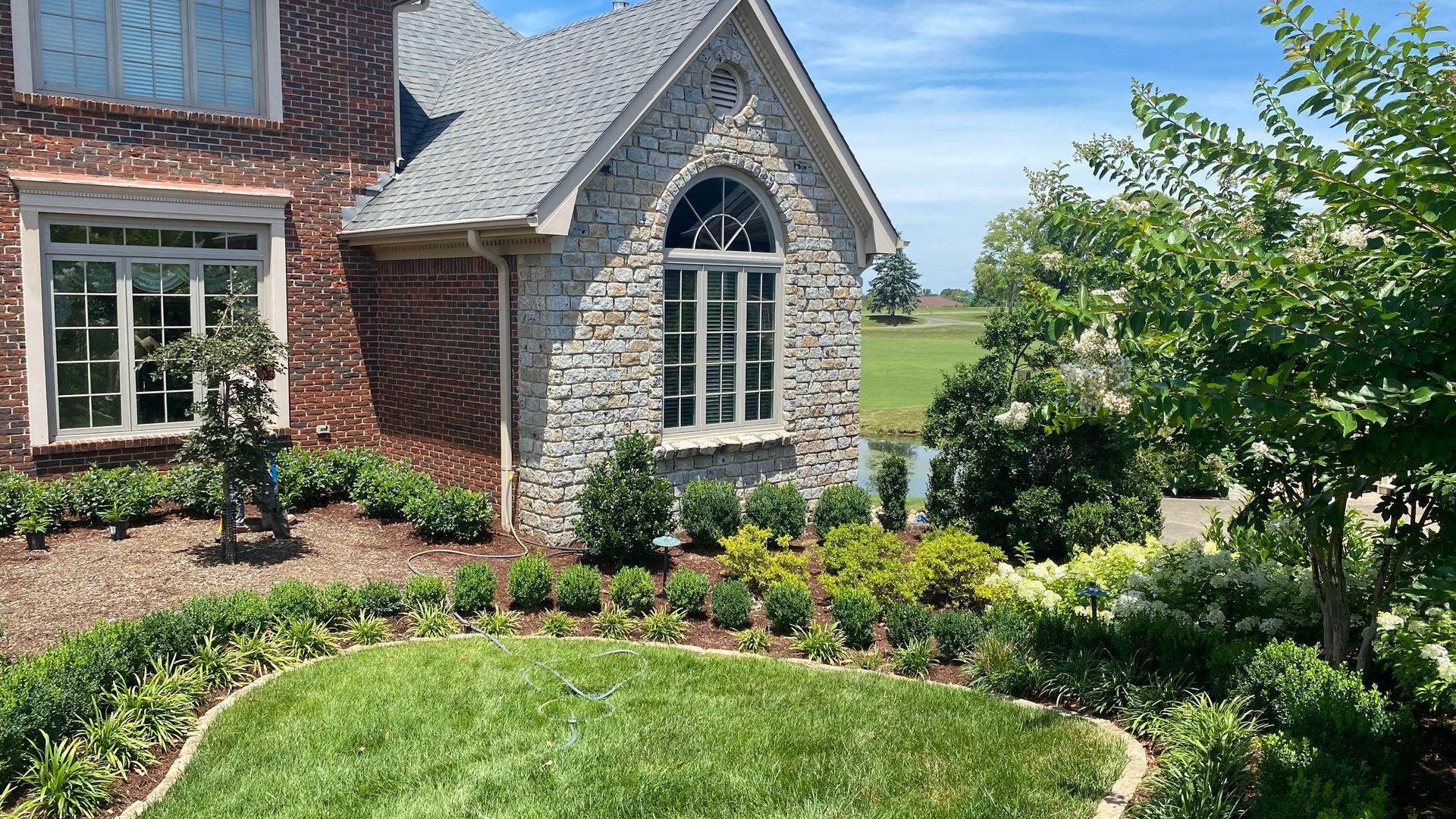
Then talk about plants. You want someone who can name specific species for your light and soil, an ornamental tree for a small front yard, a flowering shrub that feeds pollinators, an evergreen that holds its shape through winter. If every recommendation sounds like it came from a catalog, keep looking.
Here is a vetting checklist you can bring to each consultation:
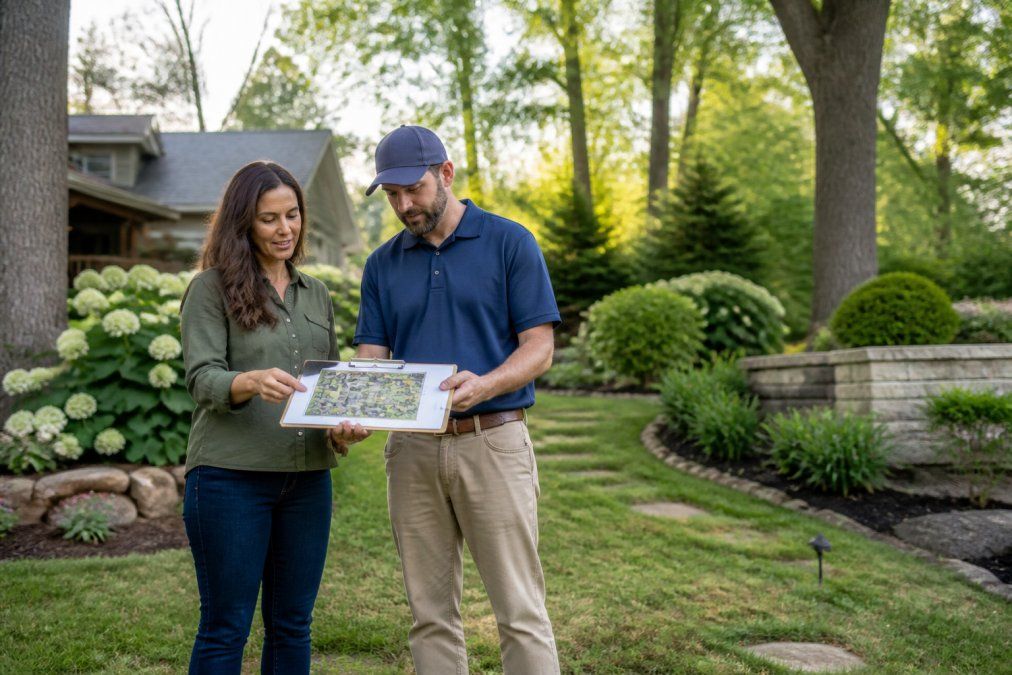
- Do they walk the property and ask how you actually use the yard?
- Can they name specific plants suited to heavy clay and your sun exposure?
- Do they address drainage before planting, not after?
- Will they show finished projects in yards similar to yours?
- Is the maintenance plan explained up front, including seasonal needs?
- Do they put the scope of work and timeline in writing?
- Do they explain what happens if a plant fails in the first year?
- Can they describe how the design will look in winter, not just in spring?
A common pattern is that the designer who asks the most questions during the walk-through is the one who delivers the most thoughtful plan. The one who talks the whole time is usually selling a template.
The table below summarizes the main factors to weigh.
| Factor | What to Look For | Why It Matters |
|---|---|---|
| Local plant knowledge | Familiarity with zone-appropriate species | Plants survive the first winter |
| Soil awareness | Mentions clay, drainage, or amending | Prevents rot and dead beds |
| Drainage expertise | Fixes wet spots before planting | Protects foundations and roots |
| Communication | Clear written scope and timeline | Fewer surprises mid-project |
| Maintenance plan | Seasonal care explained upfront | Yard stays healthy long term |
| Winter interest | Evergreens, bark, and structure | Yard looks good year-round |
One more thing worth checking: how the designer talks about neighbors. A good plan considers how a new privacy screen or ornamental tree will affect the yards around it. Designers who think about the whole street tend to produce landscapes that age well and keep the peace.
Pollinator Garden Design Tips for Louisville Yards
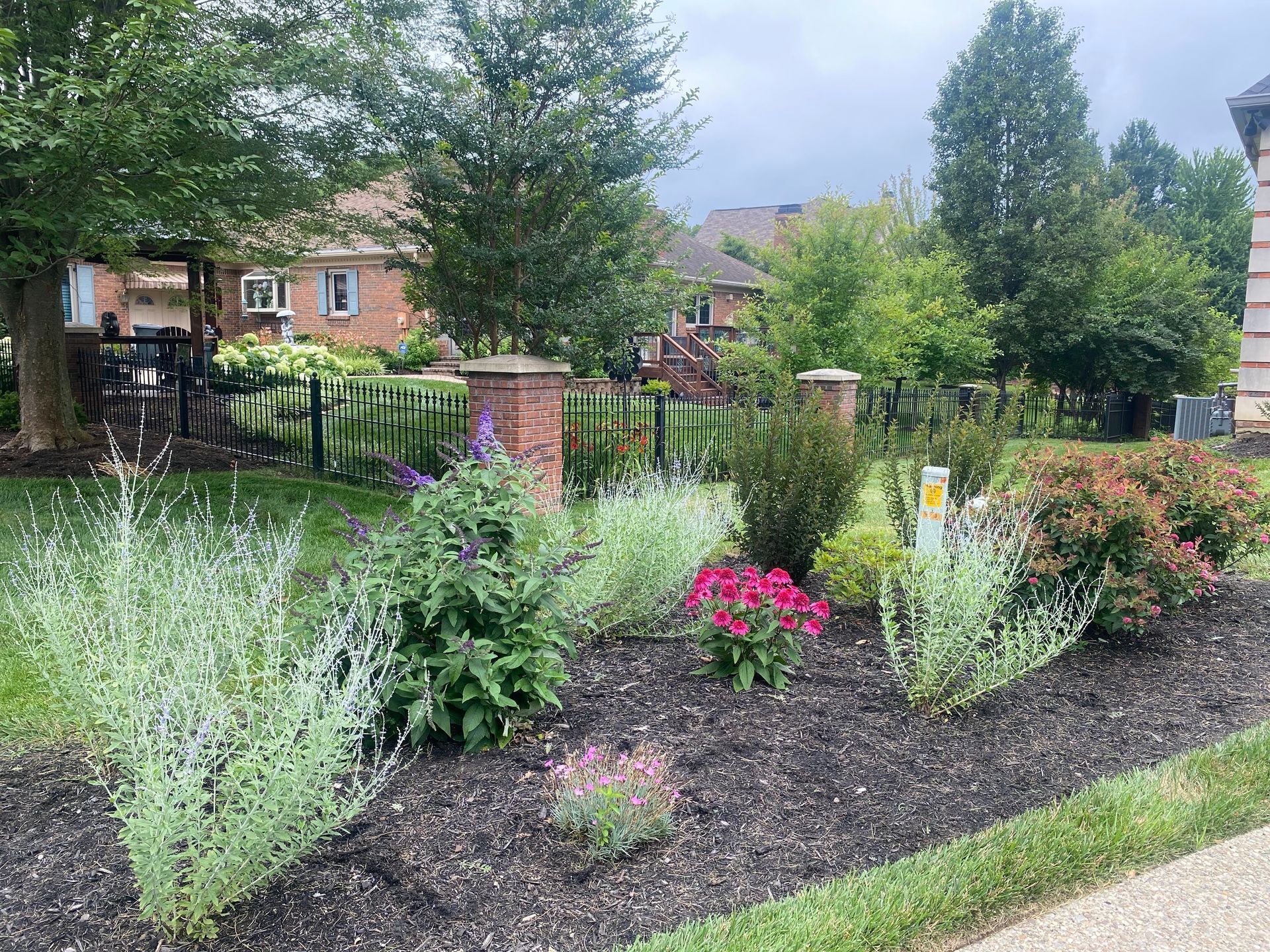
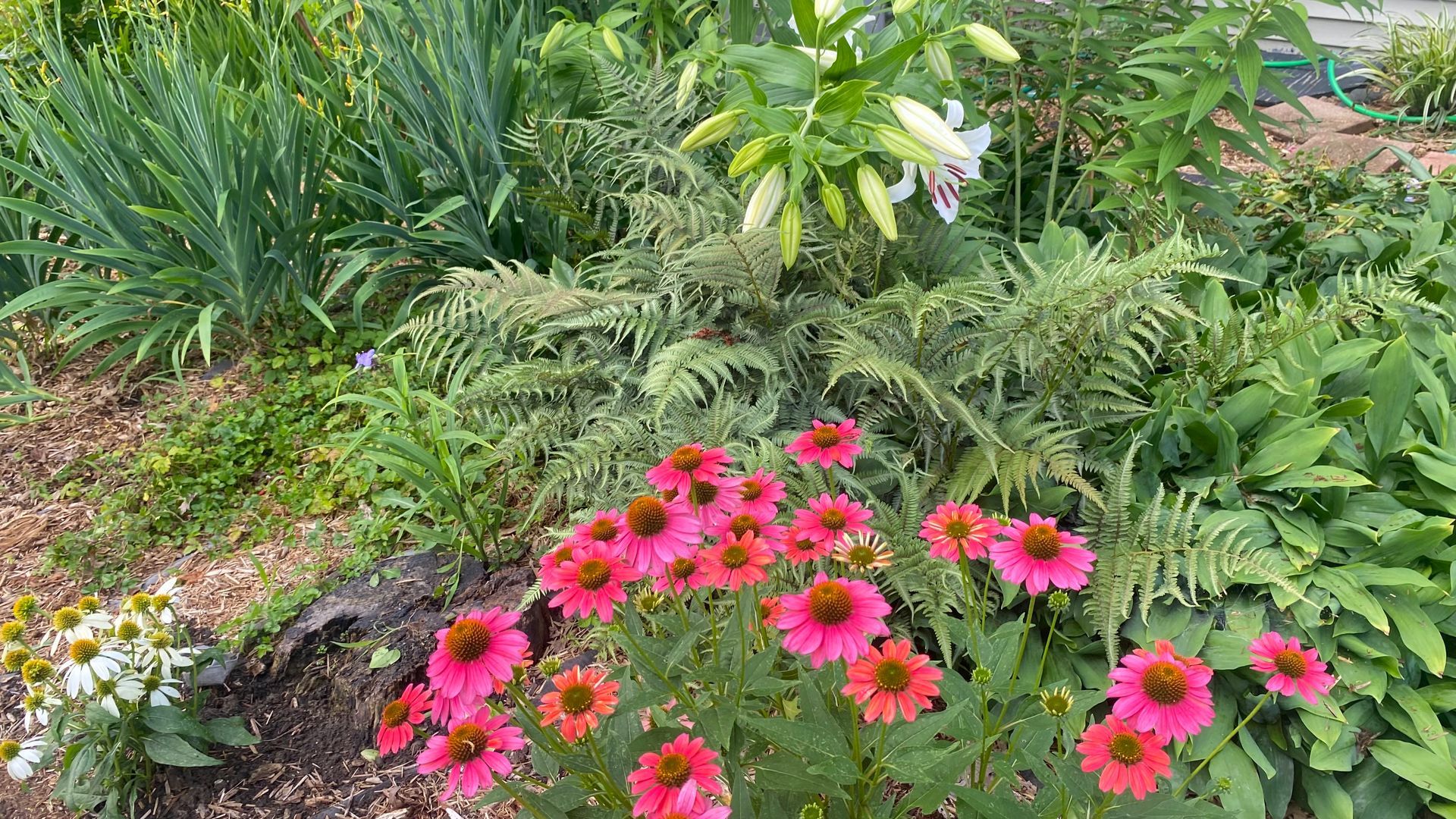
Pollinator gardens are planted areas designed to feed and shelter bees, butterflies, and other beneficial insects through the seasons. In Louisville, that means choosing plants native to the region and arranging them so something is blooming from spring through fall.
Start with a sunny spot that gets at least six hours of light. Group flowers in clusters rather than scattering single plants, because pollinators find patches more easily than isolated blooms.
Good choices for this area include purple coneflower, black-eyed Susan, and native milkweed. Milkweed matters especially because it feeds monarch caterpillars. Add a shallow water source and skip pesticides entirely.
Privacy Screening Ideas for Backyards
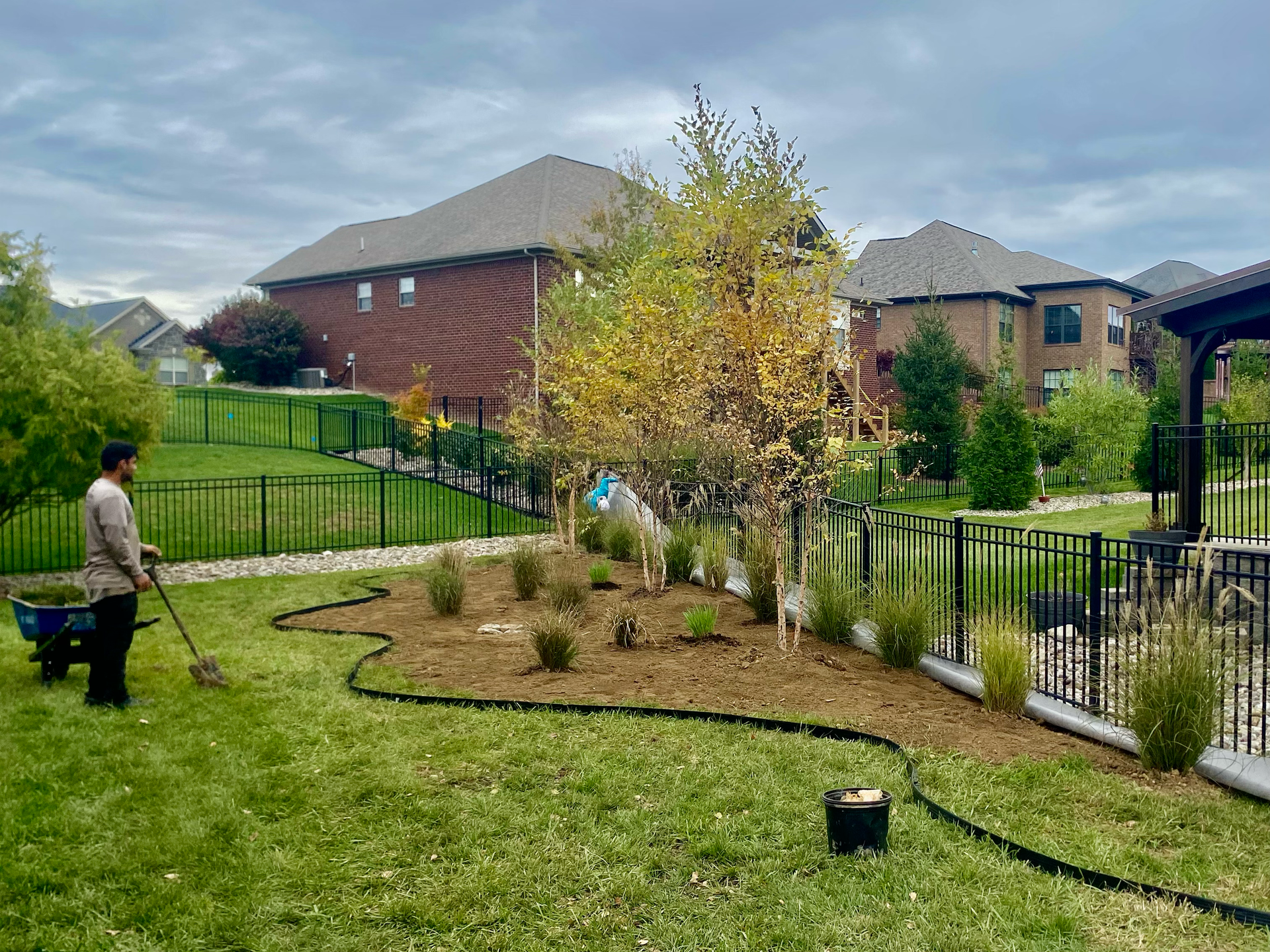
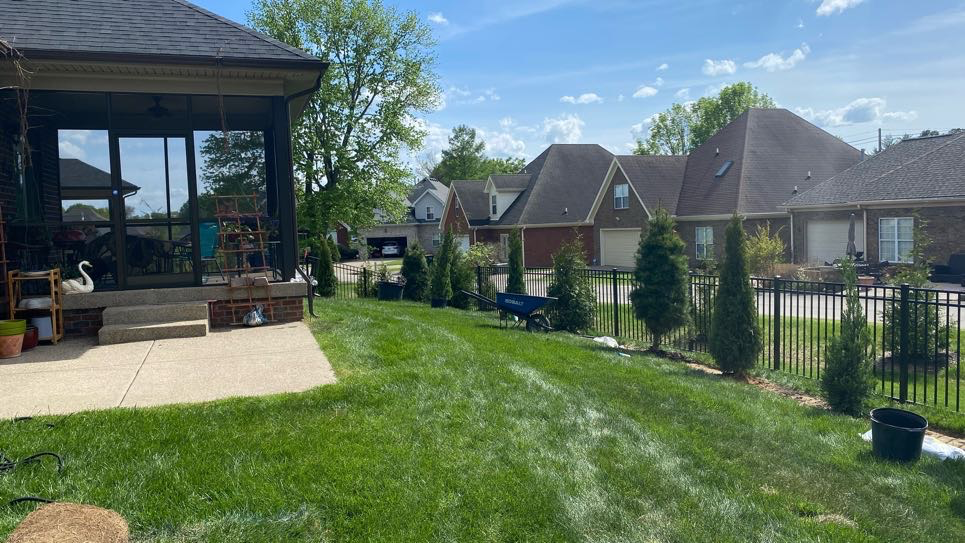
Privacy screening works best when you layer plants of different heights instead of relying on a single row. A layered screen blocks sightlines, muffles sound, and looks natural rather than walled off.
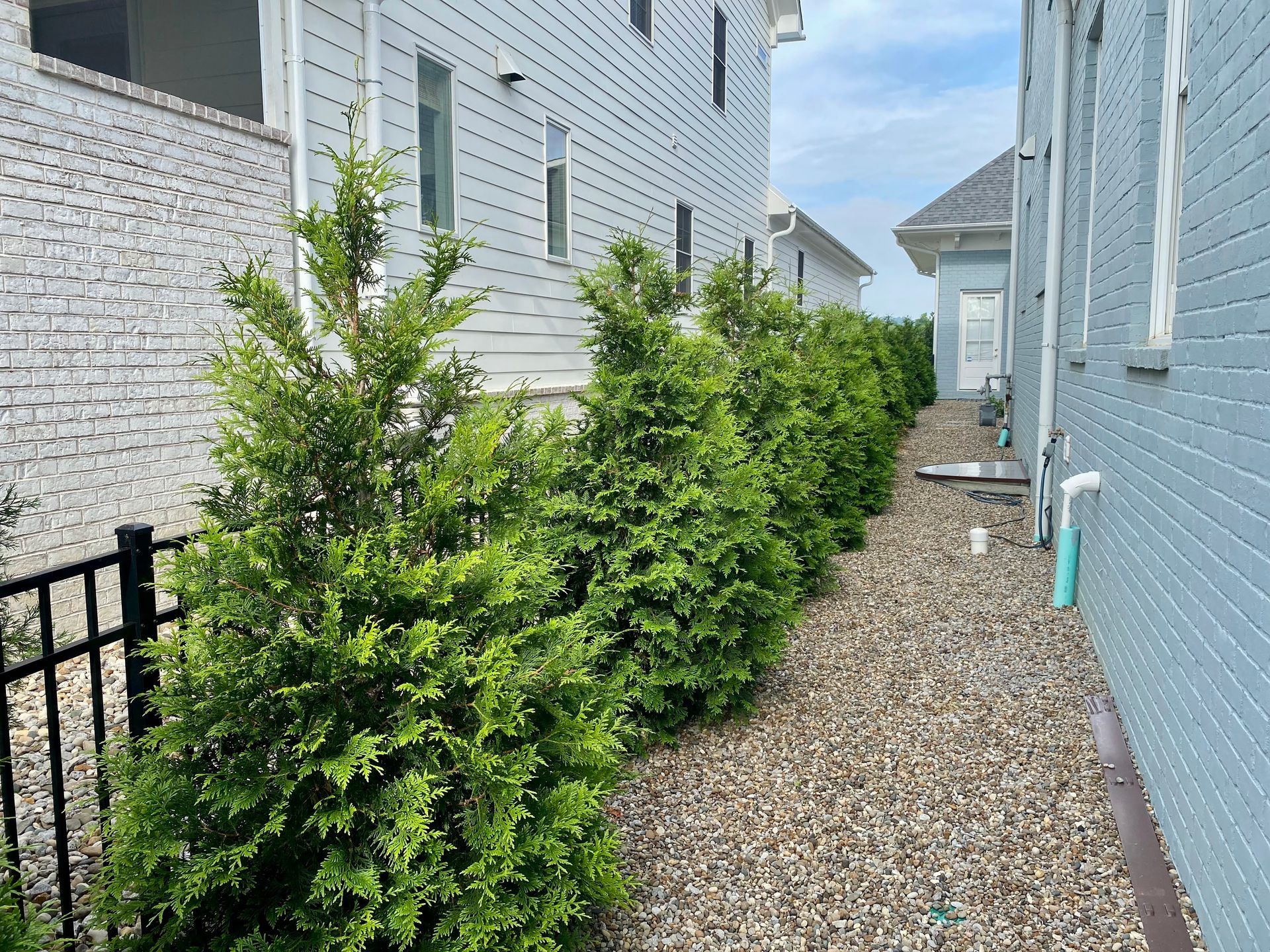
Evergreen trees form the backbone because they keep their coverage year-round. Arborvitae and holly are common picks for narrow spaces. In front of them, add flowering shrubs for color and texture. A low border of ornamental grasses softens the base.
For tight yards, consider a mix of evergreens and a decorative fence.
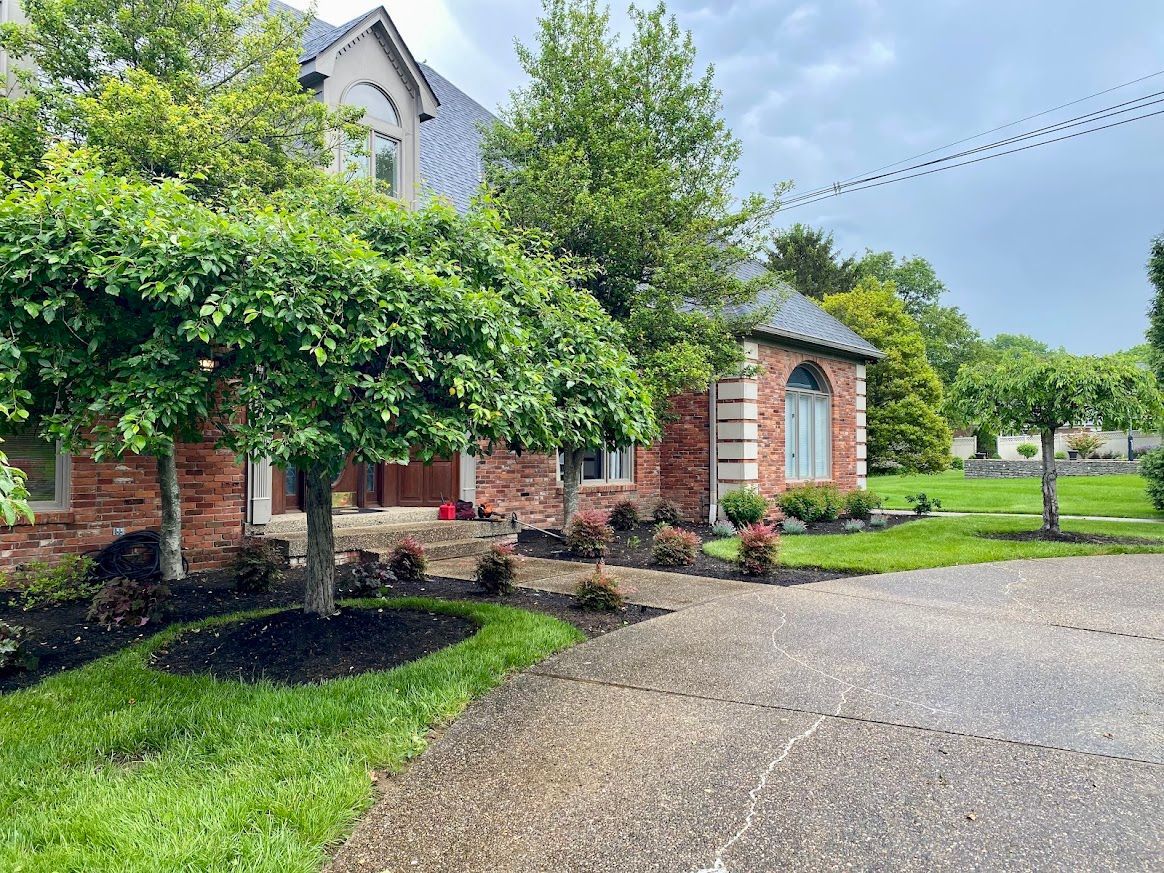
Ornamental Tree Selection for Louisville Landscapes
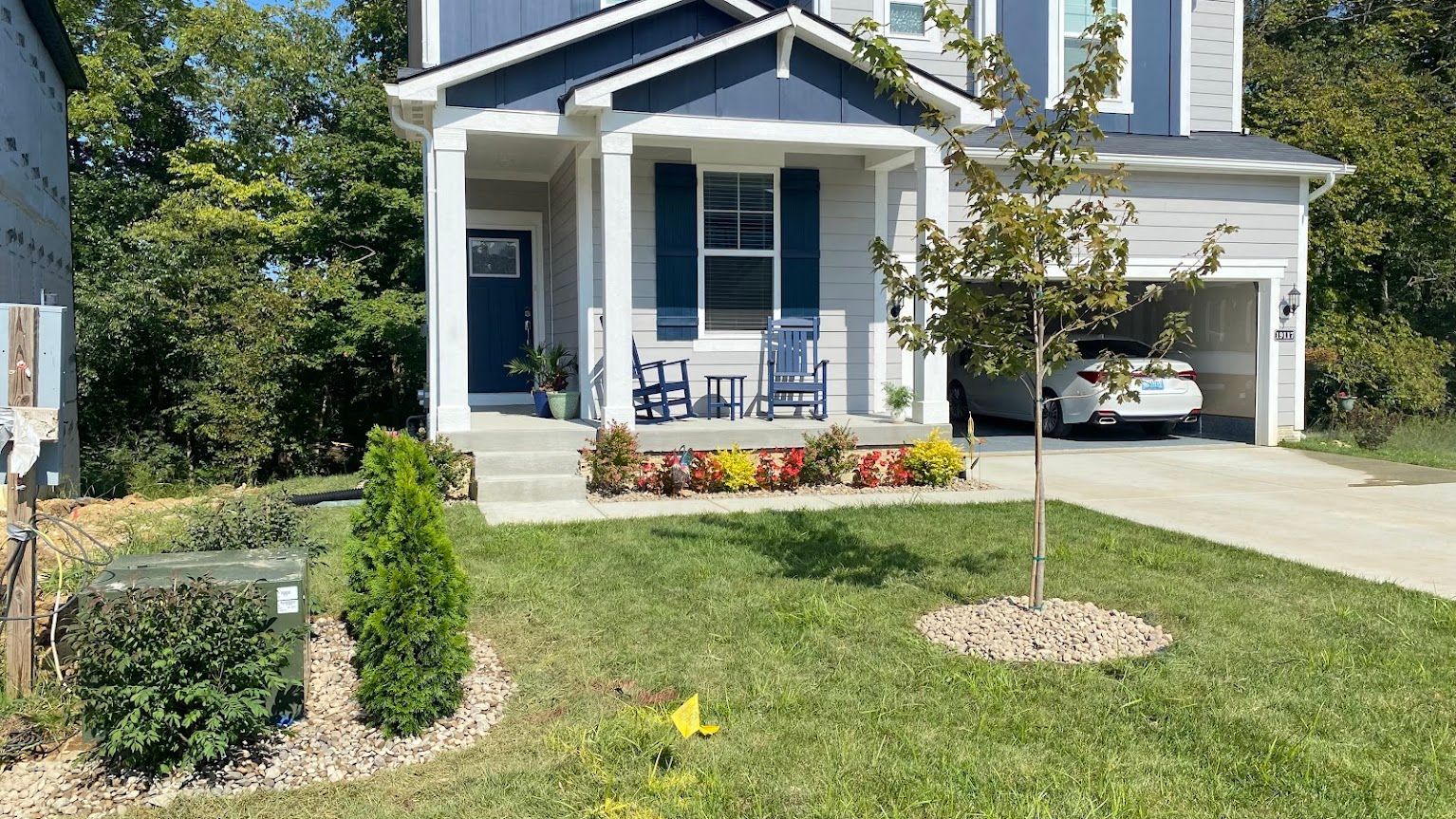
Ornamental trees add year-round interest without taking over a yard. The right pick depends on your space, your soil, and how much cleanup you want each fall.
What to Expect During a Landscape Renovation
The process usually looks like this:
- Consultation - The designer walks your property, asks how you use the yard, and notes sun, water, and soil conditions.
- Design - You receive a plan showing plants, layout, and any hardscape. This is your chance to ask for changes before anything is dug.
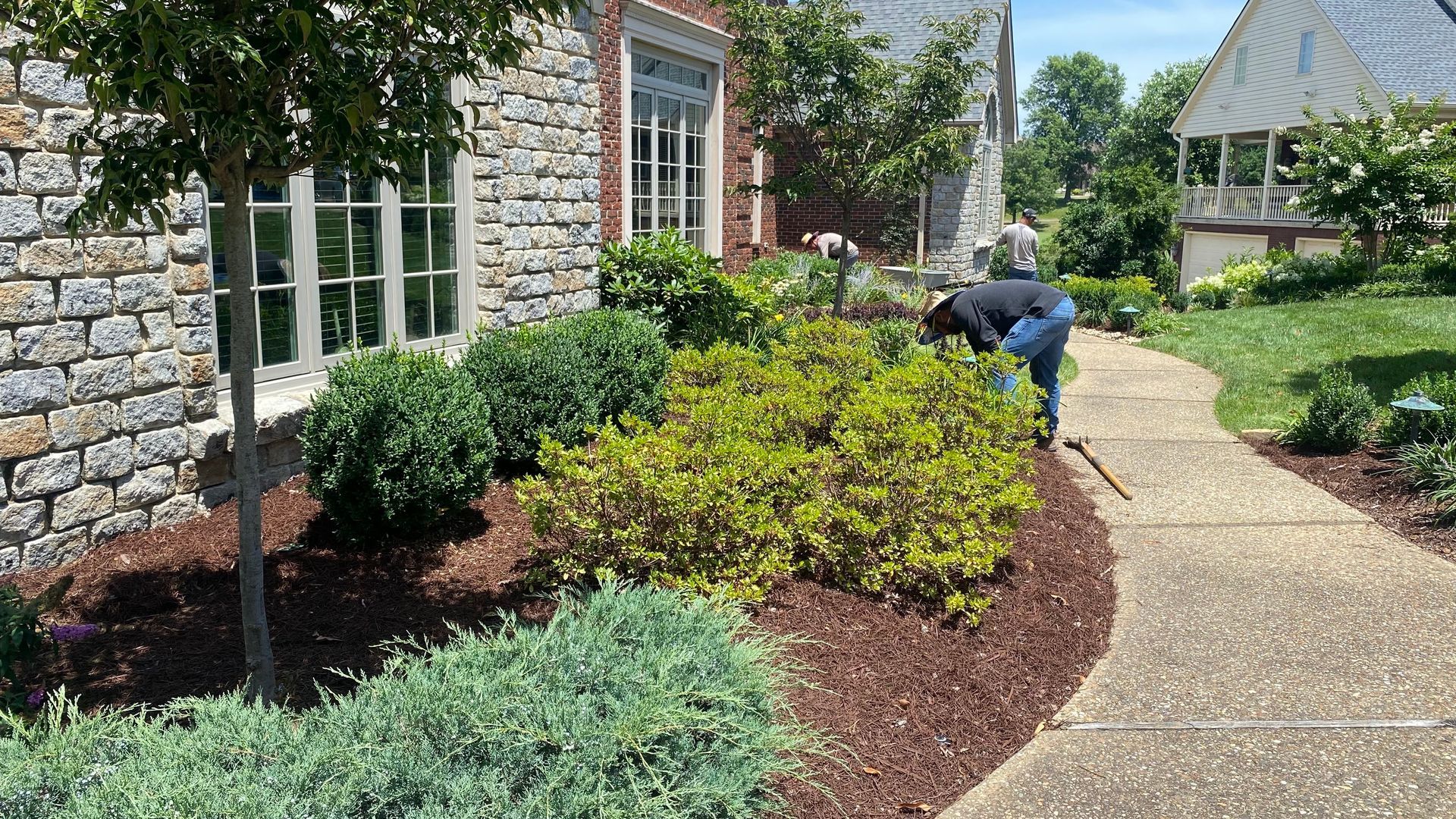
- Site preparation - Crews clear overgrowth, fix grading, and address drainage. On heavy clay, this step often includes amending the soil so roots can establish.
- Installation - Planting, paths, and features go in. Timing matters here; most planting in this region goes best in spring or early fall, when temperatures are mild and rainfall is more reliable.
- Follow-up - A care plan keeps everything healthy through the first year, which is when new plants are most vulnerable.
A few local realities shape the schedule more than most homeowners expect. Heavy clay soil takes longer to amend than sandy soil, so site prep can run longer than the design phase. Summer heat stresses new plantings, which is why many designers push installation to spring or fall. And if your plan includes a structure like a fence or pergola, check local setback and permitting rules before the design is finalized, because those rules can change the layout.
Frequently Asked Questions
What is the difference between a landscape architect and a landscape designer?
Landscape architects hold state licenses and typically handle large-scale projects involving structural elements like retaining walls over a certain height or commercial site planning. Landscape designers focus on residential projects such as garden design, planting plans, and hardscape installation. For most Louisville homeowners renovating a backyard, a designer with horticultural expertise and a strong portfolio of residential work is the better fit.
How do I choose a landscape designer for a small backyard renovation?
Start by reviewing portfolios of completed projects similar in size to your yard. Ask specifically about their experience with oddly shaped or compact spaces. Request a site visit so they can assess drainage, soil health, and sun exposure. A good designer will ask about how you want to use the space, not just what plants you like. Look for someone who offers a clear project timeline and explains ongoing maintenance needs honestly.
What should I look for in a local landscape design portfolio?
Focus on projects that match your goals: outdoor living spaces, privacy screening, pollinator gardens, or hardscape installation. Check whether the portfolio shows before-and-after photos, which reveal how well the designer handles problem areas like poor drainage or overgrown beds. Look for variety in plant selection and evidence of seasonal color planning. A portfolio that features only one style may not suit your property.
How much does professional landscape design cost for a residential property?
Pricing depends on the scope of work, property size, and materials chosen. A simple planting plan costs less than a full renovation with hardscaping, irrigation systems, and landscape lighting. Most designers charge either a flat design fee or an hourly rate, and installation is quoted separately. Request an itemized estimate and ask what is included. For current pricing, contact Bluegrass Gardening directly for a quote.